Duty to Assist Involves More than Just the Homelessness Sector

Featured

Duty to Assist is a homelessness prevention approach that works upstream and uses a human-rights lens. Originating in Wales, it is also known as the Housing (Wales) Act 2014, which created a legal obligation for local authorities, such as governments, to make reasonable efforts to move individuals out of homelessness or stabilize their housing. 

The fourth session of the Prevention Matters! series was hosted by Stephen Gaetz from the Canadian Observatory on Homelessness and dug into the details of how Duty to Assist works. Gaetz interviewed Peter Mackie of the Centre for Homelessness Impact at the University of Cardiff who was a key player in the implementation and creation of the Housing (Wales) Act 2014. They discussed the implementation of Duty to Assist in the United Kingdom, as well as challenges faced in the process and what Duty to Assist might look like in the Canadian context.

How Does Duty to Assist Work?

Individuals affected by homelessness are eligible for assistance at three stages:

  1. Prevention stage: When an individual is at risk of homelessness, authorities can intervene by trying to address the factors contributing to the risk, such as paying rental arrears or providing a rent subsidy.
  2. Relief stage: After a person’s housing is lost, the authorities can intervene by trying to find them new accommodations.
  3. In the event that both options fail, individuals in priority groups who are covered by previous legislation will have housing secured for them.

Duty to Assist works upstream, meaning that it assists individuals earlier than previous legislation allowed. Those who are at risk of homelessness or have just become homeless can seek out help from local authorities earlier. This allows issues to be addressed in a more timely and cost-effective manner. 

According to Mackie, Duty to Assist has proven to be much more effective in the prevention stage. The intervention can be something as simple as paying off arrears or providing first and last month’s rent, which is a much simpler approach than trying to find brand-new accommodation. 

“If you are already homeless, to take steps to resolve your homelessness, we’re way less successful there because you don’t have the home to try and keep somebody in.” – Peter Mackie

Challenges with Duty to Assist

While the implementation of Duty to Assist is a win for prevention in Wales, the legislation is still riddled with difficulties that go beyond the homelessness sector. As Promise Busulwa, the producer of Prevention Matters! always says in her opening remarks: “The housing crisis cannot be solved by the homelessness sector alone.” Mackie has written articles outlining the need for “…effective universal prevention to be the foundation of any strategy to end homelessness.” Many of the ongoing issues with the Duty to Assist model are the lack of consolidated, systematic care and collaboration between public bodies and other organizations to address the root causes of homelessness. 

“But what we don’t have in the legislation is a requirement that, for instance, a landlord would notify the local authority.” – Peter Mackie

Another challenge noted by Mackie is that people can be hesitant to change. Individuals who are impacted by impending or current homelessness, and who therefore qualify for Duty to Assist, need to be aware of the program itself and request assistance. This has proven to be difficult, especially given that the legislation and the supports offered looked very different prior to the implementation of the Housing (Wales) Act 2014. Prior to the implementation of Duty to Assist, the legislation only provided assistance for families with children and other priority groups. 

Currently, there is a gap as public institutions, like hospitals and prisons, do not call for assistance from local authorities when releasing an individual into homelessness. Mackie also noted push back about the universal nature of Duty to Assist. Many parties involved in the legislative process pushed to maintain the focus on priority groups, clashing against the universal prevention model that applies to everyone experiencing or at risk of homelessness.

Mackie spoke to the difficulties involved in imposing a “duty” on public bodies that had the power to intervene in the creation of an individual’s homelessness situation. Simply put, these parties could not be mandated to provide assistance because “ somebody is going to fail.” Instead, the legislation mandates a ‘best efforts duty.’ A duty to assist means providing assistance to those who willingly consent to receiving help and are, in return, expected to comply with attempts to provide them with assistance.

“In government, there’s often a reluctance to actually use the word ‘must.’” – Peter Mackie

To combat these challenges, Mackie calls for better data sharing and a more person-centred focus when providing services. As the legislation is currently being revised for what has been coined as “Duty to Assist, Mark II,” Wales aims to have these issues addressed and changes implemented, which involves including a more diverse range of voices. While Mackie expresses frustration with the lack of support both financially and from public systems for Duty to Assist, he does acknowledge that it has been very helpful as Wales traverses a housing crisis.

What Does this Mean for Canada?

While Duty to Assist cannot be precisely replicated in Canada because of the lack of infrastructure, Stephen Gaetz noted it is regarded as a fundable homelessness prevention method by the Government of Canada. Mackie also mentioned that the overall principles of Duty to Assist can be implemented without legislation—although they may be less effective without the legislative aspect—on a community or municipal level. While it would be ideal for there to be legislation to hold public bodies to account, Wales has not experienced any high court cases surrounding the Duty to Assist, leading Mackie to believe that the implementation of the Duty to Assist principles without legislation should be possible. 

Mackie recommended implementing Duty to Assist in a community to prove that it works before aiming to scale it upwards, and Gaetz replied this had been in progress before the COVID-19 pandemic. Here’s hoping Duty to Assist gets the chance to prove its value in Canada.

Interested in more diverse perspectives on homelessness prevention? Check out the rest of the Prevention Matters! Series. Want to learn more about Duty to Assist? There is a free, self-paced training on the Homelessness Learning Hub.

Originally published on The World-Wide Web’s Homeless Hub On Monday October 21st, 2024

Author: Rachel Lau

Disclaimer

The analysis and interpretations contained in these blog posts are those of the individual contributors and do not necessarily represent the views of the Canadian Observatory on Homelessness.

Overview of Rental Home Costs in North America

Featured

Rental home costs in North America have been a hot topic in recent years. As the demand for rental properties continues to rise, so do the costs associated with securing a place to call home. One area that has seen increased demand is industrial spaces, which have led to the rise in maintenance and refurbishment costs, with services like pro industrial painting becoming more sought after to ensure the longevity and appeal of these properties. You can also seek some assistance from this site at https://proindustrialpainters.co.uk/warehouse-painting.

Whether you’re considering a cozy apartment or a spacious rental home, understanding the current landscape of US rental property costs is crucial. As you explore options, consider how a well-designed space can make all the difference. Closet Designer from Bella Systems offers innovative and elegant solutions to optimize storage and enhance the functionality and style of any rental. In this blog post, we’ll explore regional variations in rental home costs in North America, delve into the factors driving rental expenses, and offer insights to help you navigate the competitive rental market.

Unpacking the Numbers: Rental Home Costs in North America

The US rental costs vary significantly depending on location, property type, and amenities.

Major metropolitan areas like New York, Los Angeles, and Toronto tend to have the highest rental home costs, while smaller cities and rural areas offer more affordable options.

Recent rental market trends show 564,828 properties available for rent in September 2024. The median monthly rent in the US hovers around $2,100 as of September 2024. The rental cost has remained nearly the same as last month

The rental costs in the US have increased by about 19 percent since 2019. Several factors contribute to the rising rental home costs in North America:

In cities like New York or Los Angeles, you might have to pay upwards of $3,000 or more for a one-bedroom apartment. In contrast, you could find comparable accommodations for under $1,000 in less densely populated areas.

       Most Expensive US Rental Markets in 2024


       Least Expensive US Rental Markets in 2024


Conclusion: Finding Your Place in the Market

While the rental market in North America can be challenging, understanding the factors influencing costs and employing savvy search strategies can help you find a suitable and affordable home.

Remember, it’s crucial to do your research, compare options, and be prepared to negotiate to secure the best possible deal.

Whether you’re looking for a vibrant city apartment or a quiet suburban rental home, with careful planning and persistence, you can find a place that fits your lifestyle and budget.

References:

  1. https://www.apartments.com/rent-market-trends/us
  2. https://www.realtor.com/research/april-2024-rent/
  3. https://worldpopulationreview.com/state-rankings/average-rent-by-state
  4. https://www.washingtonpost.com/business/interactive/2024/rent-average-by-county-change-rising-falling/
  5. https://www.zillow.com/rental-manager/market-trends/united-states

Hello, Happy New Year !

The year began with numerous challenges, including the loss of several notable celebrities and countless others whose names we may not know. As we reflect on their passing, we acknowledge their departure with a heartfelt “rest in peace.” They have moved beyond this mortal realm to a higher plane of existence, where the physical sensations and struggles that burden the human mind are no longer felt. In this new state of freedom, they leave behind the fragile shell of flesh and blood.

In times of loss and reflection, the importance of giving meaningful gifts becomes even more apparent. Amazing gifts from a jewelry store not only honor the memories of those we have lost but also provide comfort and connection to those who remain. Whether it’s a thoughtful gesture or a cherished keepsake, these gifts can help bridge the gap between our present experiences and the enduring legacy of loved ones, offering solace and celebrating the impact they had on our lives.


COVID – 19 and Evictions

Featured

In December 2019, the first case of COVID-19 was reported in China. Since then, the coronavirus has struck the entire world by surprise. The importance of physical touch and contact was bought into emphasis as the entire world went into lockdowns and people were made to isolate and quarantine within the walls of their homes. Since the novel coronavirus spreads at an exceedingly fast rate, it poses a huge threat to public health with its high mortality rate.

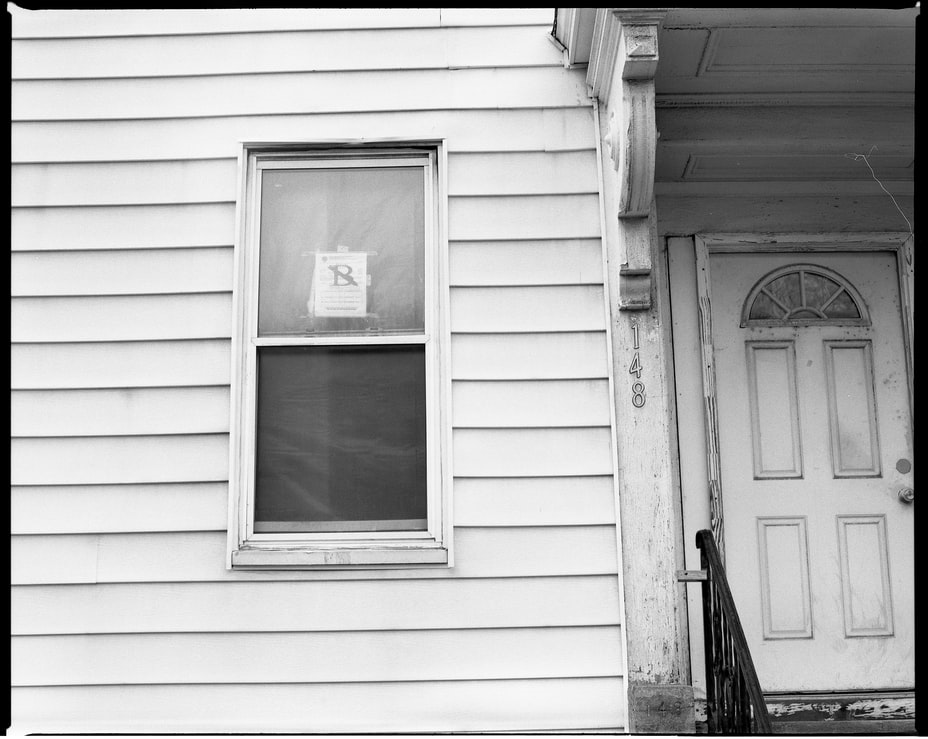
Black and white image of a house’s front door and window

Temporary Protection from Eviction

COVID-19 has affected almost all areas of our daily lives, be it financial, personal, educational or professional. Adjusting to the new normal has indeed been a challenge for people all around the globe. However, health care providers and people in authority are working round-the-clock to ensure the wellbeing of as many people as they can.

As a response to this global threat, state and local governments have taken drastic measures to ensure public health and safety. When it comes to housing, eviction laws in several countries, including the US, have been temporarily altered to not only prevent the spread of this disease but also facilitate people who are struggling with financial issues.

Providing stable housing is an effective measure because it allows people to abide by the stay-at-home and social distancing measures recommended by state and local authorities. It also reduces the number of homeless people residing in congregate settings or shelters. Improved living conditions are bound to reduce the spread of this virus.

The Final Word

The laws amended in the light of COVID 19 provide increased protection to tenants and renters. From March 1, 2020, to September 30, 2021, all landlords and property owners have been advised not to evict any residents if the sole reason for their eviction is their inability to provide housing payment. The state has developed a rental assistance program to reduce financial distress on both landowners and renters. All tenants that qualify for this program will be provided with financial assistance during and beyond this period to help reduce their struggles.

The Disparity in Dental Care Between the Rich and the Poor

Featured

A person receiving dental care
Disparity in dental care

Proper dental care is essential to living a healthy life. However, there’s a greater chance for people from low-income backgrounds to have greater dental health problems than those from affluent families. Here’s a quick analysis of the disparity in dental care between the rich and the poor.

The Gravity of the Situation

A greater percentage of people from deprived backgrounds have been hospitalized because they needed dental care than those who were better off financially. However, many people from low-income backgrounds struggled to receive the care they needed because 35% of low-income parents and 38% of low-income adults without children did not have health insurance in 2013.

What makes this situation worse is that dental care treatment in the hospital is about 10 times more expensive (even with Medicaid enrollees) than preventative dental care at a dentist’s office. Furthermore, Medicaid doesn’t cover preventative costs. Thus, enrollees have to rely on ER care at the hospital when their conditions worsen.

The Effects of Lack of Dental Care for the Poor

Receiving proper dental care is vital because it affects the patient’s and physical health as well. A lack of proper dental care can contribute to various chronic illnesses that may pertain to cardiovascular disease, pregnancy complications, respiratory infection, and so on.

Regular dental check-ups, cleanings, and prompt treatment of any oral issues are essential for mitigating these risks and ensuring optimal health outcomes. One often overlooked aspect of oral health is the condition of the tongue. A yellow tongue, for instance, can be indicative of various underlying issues, ranging from poor oral hygiene to more serious health concerns. Monitoring the color and appearance of the tongue during routine dental visits can provide valuable insights into a patient’s overall health status.

In addition to physical health ramifications, there are mental health concerns, such as a correlation between decaying or missing teeth and depression. This is also the case because missing teeth can result in increased self-consciousness and societal scrutiny.  So, it makes it more challenging for people from low-income backgrounds to thrive within society.

Lack of proper dental care for people from low-income backgrounds also causes them to struggle with its effects on their employment opportunities. Poor dental care causes patients to experience discrimination in the job market. Thus, there’s a cycle in which disparity in dental care between the rich and the poor causes the latter to continue struggling to receive better dental care because they can’t afford insurance.

From Homelessness to Renting: How to Find Rental Housing without References

Featured

There is no point in sugar-coating the fact that transitioning from homelessness to renting can be quite difficult for an individual, especially in cities like Toronto or Vancouver. From a landlord’s perspective, these markets are full of eligible and desirable tenants, so why would they lend their property to someone without any reference and an unstable (or non-existing) rental history.

This is a challenge most homeless people face, even when they have found a stable job and have enough money for a deposit. Finding rental housing without references can be tough but not impossible. There are a few things you can do:

1. Seek out your regional Housing First* program. It’s designed to help homeless people find stable homes. You’d need to contribute a portion of your income (ideally 30% or more) while the rest would be covered by rent subsidies. It also helps you establish a rent history that can open up more rental housing options for you.

2. Provide potential landlord proof of stable income. If you’ve been working for a while, bring your last three payslips and, preferably, a letter from your employer stating your good behavior (and that they don’t have any plans to let you go in the foreseeable future).

3. If you have a stable income and money for monthly rent but not the deposit, charities like Canadian Red Cross and Salvation Army might assist you (financially). With a decent deposit amount (say three-months rent), you might be able to convince potential landlords to rent to you, even if you don’t have references.

4. Don’t fake a reference history. It is a huge red flag, and if you get caught, it might disrupt your chances of renting with other landlords as well.

5. Talk to the people who are running emergency shelters. They might be able to guide you to individuals who might be inclined to rent to you without references, just to pull you out of homelessness. If not, they might be able to put you in touch with local housing assistance programs you might not be aware of.

Be honest, talk to the people helping homeless individuals in your community, try to save as much money as you can for rent and deposit, find a co-signer if you can, and make sure your employer puts in a good word for you.

*https://www.bchousing.org/projects-partners/funding-opportunities/RHFP

Boggles Brown – The Blurb

Featured

-From “Boggles Brown – My Cartoon Life in the Land Of Schizophrenia” inner sleeve. – 2010

Boggles Brown is broke, except for the “People With Disabilities Allowance” he gets once a month. This month, he lives in a run-down motel – he manages to buy an old beat-up Toyota which is unreliable but reliable if you know what I mean. Somtimes he thinks his car may be bi-polar.

He wonders whether he should be using one of those fancy-named gasoline additives like “Engine-X,” I imagine “Engine-X” to be somewhat like Olanzapine, only for cars.

Boggles Brown struggled through college. He graduated,worked for a while and then became bonkers. It was not worth the ecstacy or all the raves in the world to lose his mind – he knows that now. But it is his life, what to do?

Boggles Brown is not how I see myself so much, as how I think others see me. My mom has read some of my cartoons and scratched her head. I imagine a lot of people will do the same. But that’s not the point – is it? Am I Canada’s Andy Warhol? I think not.

I hope you like Boggles, and if you don’t, I hope you keep it to yourself because the point is that it gave me something to do.

These are all hand-drawn on whatever paper I could find.

– Boggles Brown; “BJAF” 2010

“Genes” – Boggles Brown; Urban Survival Media 2009

Cheektowaga-Omni Launch Fundraiser for Debut Socio-Cultural Movie “My Name Is Brad”

Featured

January 11, 2021: Cheektowaga-Omni, a production, media, and marketing company has today announced its foray into film making with the production of a socially conscious movie, “My Name is Brad”. The company hopes to engage the public and has started fundraising, soliciting support from keen donors and people who value movies with a cultural and socially significant theme.

The prevailing atmosphere in the USA makes it ripe for movies like My Name is Brad to be an eye-opener for a public swayed by bigotry and misinformation. Moreover, homelessness is a growing issue that is affecting many people.

“My Name is Brad” narrates the story of a young middle class suburban white man who struggles through University, only to end up deluded, and living on the streets. He watches his promise die, like so many North American youth today.

Cheektowaga-Omni is a production and media marketing company that was established as a tie up between Cheektowaga Music and Omni creative group Cheektowaga Music was formed by prolific musician, music, entertainment producer and, performer “Little” Herbert in 1986. Cheektowaga-Omni is in the process of reactivating a dormant Analogue TV station in Northern Washington State. This initiative reflects their commitment to blending traditional media with modern technology, offering diverse content ranging from music production to online piano lessons and beyond.

The movie My Name is Brad being produced by Cheektowaga-Omni is in memory of Kelly Thomas, who was killed by members of the Fullerton police dept in 2011. Cheektowaga-Omni has launched fundraising efforts to support the movie and plans are afoot to launch a kick-starter and a web page in support of My name is Brad. Additionally, they are exploring event ticketing options to enhance the film’s reach and impact.

Cheektowaga – Omni media is based in Kelowna BC, with studios located in Abbotsford BC and Vancouver BC.

For more information: See our position on Slated.

Media contact

Dale Corrigan

Cheektowaga – Omni Creative Group

Email:

Website: