As you approach the final stage of purchasing your new car from the dealership, you will likely be presented with a wide range of extra-cost items which you may not be prepared for. The business office is the place where the dealership takes a final opportunity to sell you on various add-ons before closing the deal. While some of these options might be worth considering, others are simply not worth the money. It is important to understand what you are being offered in order to make a fully informed purchase decision.
Administration/Documentation Fees – Avoid
Many dealerships will try to charge admin/doc fees anywhere from $299 to $799 as part of the itemized breakdown on the new car purchase agreement. It is important to understand that, unlike delivery and destination or provincial levies, this is not a mandatory fee which all dealerships charge. If possible, ask the dealership to waive this fee from the purchase agreement. Some will be willing to do so in order to close the deal. If the dealer cannot waive the charge, ask for a discount equal to or exceeding the amount of the charge.
Nitrogen Tire Package – Avoid
The idea here is that pure nitrogen helps to maintain consistent air pressure in the tires even through large temperature swings. Given that regular air already contains nearly 80 percent nitrogen, the argument for pure nitrogen is questionable to say the least. In any case, the money spent on this package will have been wasted the next time you fill your tires with regular air. Some dealers charge as much as $400 for this extra, and we recommend passing on it.
Wheel Locks – Avoid
Wheels locking nuts help protect your wheels from potential thieves. For $100 or so, it may be worth the charge on certain cars with fancy wheels, but it offers no value to the average mainstream car, particularly those with steel wheels and hubcaps. Locking nuts can also make tire rotations a major hassle since you have to keep the key in a safe, secure spot.
Window Etching – Avoid
Some dealers will charge up to $500 to etch the car’s VIN into the glass to deter thieves. Again, this is an extra that is not worth its price tag. Most thieves know to look for etching when stealing a car. If you still see value in it, you can purchase a do-it-yourself kit for a modest amount. If the dealer pre-installs etching on their cars and insists on the charge, simply ask for a discount to offset the cost.
Maintenance Plans – Avoid
Maintenance plans allow you to prepay for your car’s maintenance for the first few years of ownership. Although the idea may sound appealing, these plans rarely offer the value they promise. Maintenance plans can cost as much as $2,000 and basically only cover inexpensive items such as oil changes and inspections. With the extended service intervals of today’s cars, the money is better saved for out-of-pocket service visits.
Wheel and Tire Protection – Avoid
Some dealers may offer tire protection for up to $1,000. Tire protection plans are often filled with exclusions, including potholes, curbing, and nail punctures. Without these items being covered, the value of a tire protection package is questionable at best. We recommend passing on this extra.
Rust Protection – Consider
Dealerships typically offer a few options for rust protection, including a spray-on product, wax coating, or even electronic modules which supposedly prevent rust. These products can be priced as high as $1,500 and usually come with some kind of warranty. We recommend skipping the expensive and questionable dealer products and simply go with a time-tested, inexpensive alternative. One solid option is Krown Rust Control, which offers a proven oil spray application that can be very effective when applied on a regular basis. For more details on rust protection, please read this article.
Extended Warranty Plans – Consider
Extended warranty can provide peace of mind and value to those who drive over 20,000 km per year. High mileage drivers are more likely to take advantage of the extra coverage compared to those who only drive 10,000 km per year. An additional 2-3 years of full comprehensive coverage usually costs in the range of $2,500. Less expensive options that only cover the engine and transmission are available as well. It is important to verify that the warranty is a manufacturer plan as opposed to a third party provider. If you are unsure whether you want an extended warranty plan, then wait. You have until the end of the original comprehensive warranty period to decide on this extra.
Lease Protection – Consider
Lease protection is an excellent option to consider for those concerned about returning a car to the dealer at the end of the lease. At a cost of around $1,000, it protects you from potential wear and tear costs, including minor dents or scratches that the dealer could otherwise charge you for. Simply hand over the car and let the dealer deal with those issues.
Paint and Interior Protection – Consider
Dealers often have expensive cosmetic protection products for both exterior paint and interior surfaces. We recommend getting a quote from a reputable independent detailer which may offer far superior products. Vinyl paint protection film, ceramic paint coating, and fabric/leather protectors are all viable options for maintaining the long-term aesthetics of your car. You can even purchase and apply many of these products yourself to save money.
Accessories – Consider
Car accessories such as floor liners, tow packages, dash cams, and remote starters are often best purchased at the dealership. It is important that these items have been approved and tested for your car, and the dealership products will meet this requirement.
Life is a collection of chapters, and some of them are undeniably painful to read. There is a popular sentiment that offers profound hope: “Don’t give up because of one bad chapter in your life. Keep going. Your story doesn’t end here.” This wisdom acknowledges that struggle is a part of the narrative, but it insists that it is not the final page. It is a call for resilience, a reminder that identity isn’t fixed by moments of failure or despair.
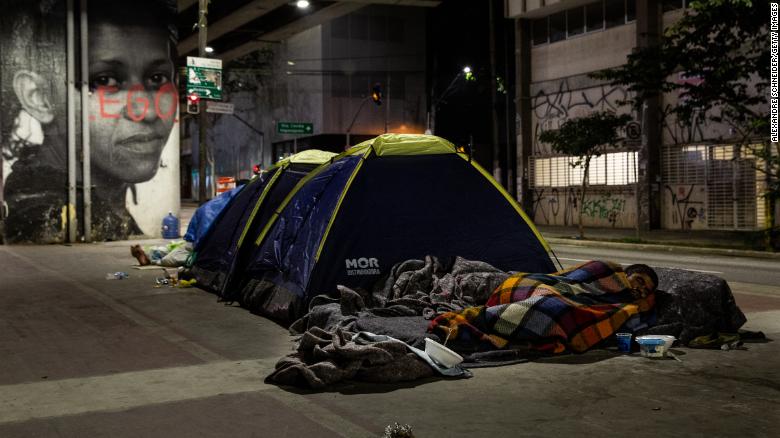
However, if we apply this metaphor to the crisis of homelessness and addiction on our streets, we must ask ourselves: Are we helping people turn the page, or are we simply buying them a new bookmark while they remain stuck in the same chapter?
The current approach to homelessness is often too passive, too willing to enable stagnation. It can be patronizing to assume that someone in the throes of addiction or living on the streets doesn’t need a hard response. By removing all expectations—by offering housing without requiring sobriety or a commitment to rehabilitation—we risk telling people that they aren’t capable of more . We accept their bad chapter as the whole book.
We need a shift from a handout to a hand up. This means coupling compassion with accountability. It means recognizing that allowing someone to continue using drugs without intervention is not kindness; it is a slow form of surrender . A truly compassionate response says, “Your story doesn’t end in addiction, and it doesn’t end on this street corner.”
Programs that are beginning to see success are those that provide shelter and support, but also demand recovery and work . They enforce rules, ban public camping, and use the leverage of the law to nudge individuals toward treatment. This isn’t about punishment; it’s about instilling the self-worth that comes from meeting expectations .
If we want to help people write a better chapter, we must stop editing around the margins of their misery. We must provide the structure and the hard line in the sand that says giving up is not an option. Because their story—and ours as a community—doesn’t have to end there.
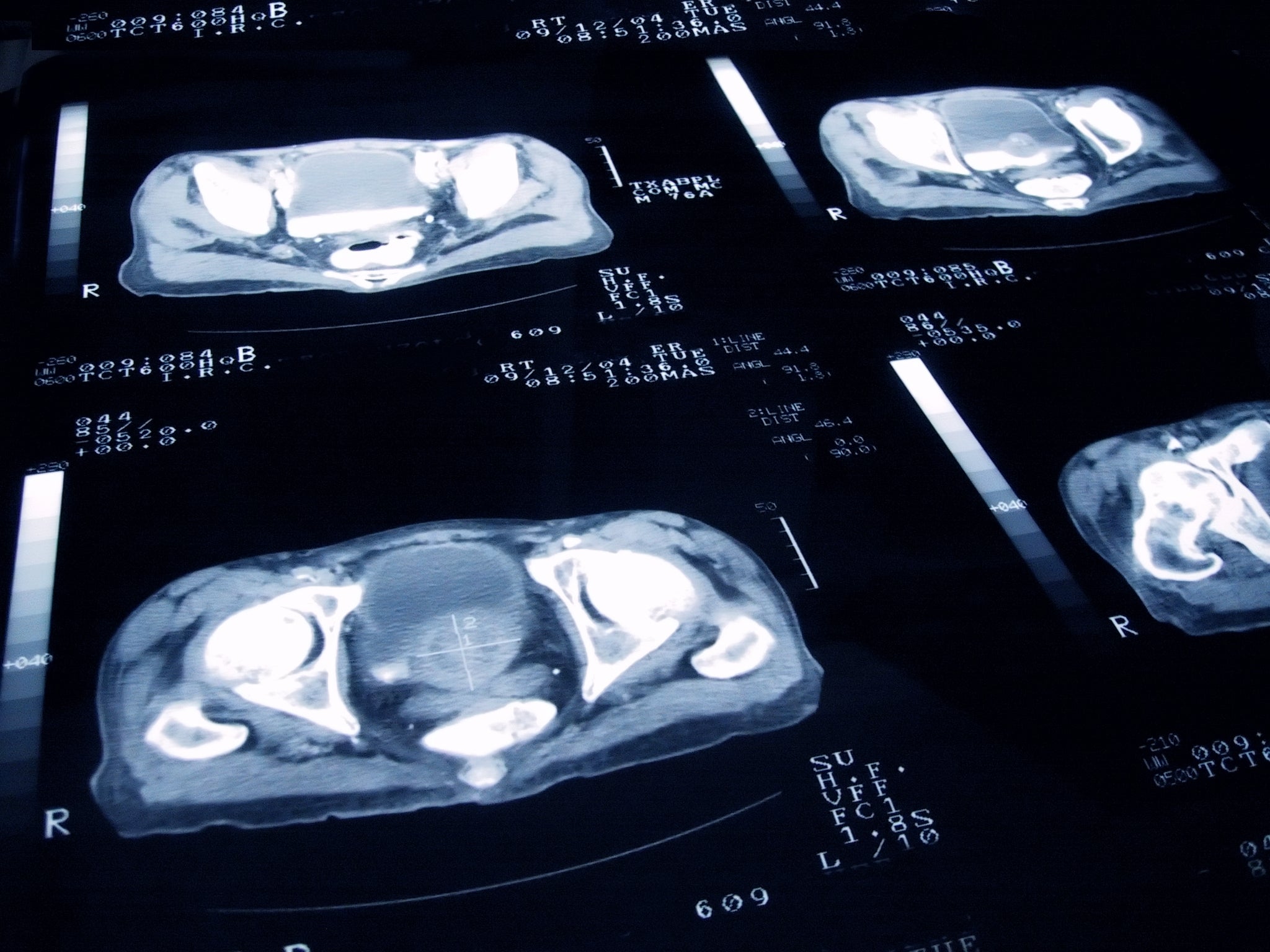
A groundbreaking trial for a prostate cancer treatment with fewer side effects has launched in the UK.
Backed by the Government-funded National Institute for Health and Care Research (NIHR), the trial will examine whether Aquablation – a therapy using robotics, AI and real-time imaging – works as well or better than traditional surgery, known as radical prostatectomy.
Radical prostatectomy involves removing the entire prostate gland in a bid to cure men of prostate cancer. The treatment is suitable for men whose cancer has not spread outside of the prostate gland or has spread to the area just outside the gland.
However, the operation carries a risk of serious side-effects, such as infection, erectile dysfunction and urinary problems.
Researchers hope Aquablation will minimise these issues.
The therapy is currently used in some centres to treat benign prostatic hyperplasia (BPH).
The treatment is suitable for men whose cancer has not spread outside of the prostate gland (Getty/iStock)
Aquablation involves a robotic-assisted, high-pressure waterjet. Surgeons can also map the entire prostate in real time with ultrasound.
Using the technique, medics find cancerous tissue to remove while avoiding surrounding nerves and muscles associated with erectile function and the bladder.
The Royal Marsden NHS Foundation Trust in London is the first hospital in Europe to recruit a patient to the trial, which is being run in seven countries.
Overall, 280 patients will be recruited globally, all with early-stage, localised prostate cancer who have already decided to have surgery.
Philip Charlesworth, consultant urological surgeon at the Royal Marsden, said: “For men with prostate cancer confined to the prostate, curative options are excellent, however, we are becoming increasingly focused on the side-effects of the cancer treatment and how we can embrace new technology to maintain a man’s quality-of-life following their surgery.
“This trial is measuring Aquablation therapy, which uses a robotic approach to surgically remove the cancer, and to preserve a man’s ability to remain continent and maintain sexual activity.
“The potential for this trial is very exciting. It has an opportunity, depending on the results of the study, to add an alternative surgical treatment option for patients with localised prostate cancer across the globe.
“The ultimate aim, and my passion, is to improve prostate cancer treatments so that they cause less harm and are less invasive for the patient.
“I feel that this is an incredibly exciting prospect for the future of prostate cancer care.”
The Royal Marsden NHS Foundation Trust in London is the first hospital in Europe to recruit a patient to the trial (Getty)
Other potential treatments for localised prostate cancer include active surveillance or monitoring of the cancer and radiation.
The new trial is sponsored by the US company, Procept BioRobotics.
To date, there are more than 25 centres globally recruiting patients for the trial.
The four UK centres are the Royal Marsden, Guy’s and St Thomas’ NHS Foundation Trust, the Royal Free London NHS Foundation Trust and Norfolk and Norwich University Hospitals NHS Foundation Trust.
The trial comes after Health Secretary Wes Streeting said earlier this week he was “surprised” by the decision from scientific advisers to limit prostate cancer screening.
In a draft recommendation, the UK National Screening Committee (UKNSC), which advises the Government, said prostate cancer screening should not be made routinely available for the vast majority of men in the UK.
It said it would not recommend population screening using the prostate-specific antigen (PSA) test because it “is likely to cause more harm than good”.
Experts are expecting data within two years from a large trial launched by Prostate Cancer UK into whether combining PSA with other tests, such as rapid MRI scans, could lead to a recommendation for population-wide screening.
For now, the committee will put forward only a recommendation to screen men with BRCA1 and BRCA2 genetic mutations – which puts them at far higher risk of prostate cancer – every two years, between the ages of 45 and 61.
Main symptoms of prostate cancer
Prostate cancer usually starts to grow on the outer part of the prostate. If this happens, it can cause changes to the way you pee, such as:
finding it difficult to start peeing or straining to pee
having a weak flow of urine
“stop start” peeing
needing to pee urgently or often, or both
feeling like you still need to pee when you’ve just finished
peeing during the night
Other symptoms can include:
erectile dysfunction (being unable to get or keep an erection)
blood in your urine or blood in your semen
lower back pain and losing weight without trying to (these may be symptoms of advanced prostate cancer)
Speaking on Wednesday on BBC Breakfast, Mr Streeting said he was surprised by the decision.
He said: “I’m looking very carefully at why the national screening committee reached that decision.
“I’ve always said these things have got to be based on science and evidence, not on politics.
“But the recommendation did surprise me.
“This is contested. I’ve got people in the prostate cancer community and not just really prominent patients and celebrities and politicians who’ve used their experience and their voice in this debate, but among scientists and researchers.
“This is a draft recommendation. They consult on this for three months, and then we have to make a final decision.
“What I’m going to do is get some of those leading, best scientific voices and competing opinions around the table to thrash this out, to really interrogate the data and make sure that when I come on your programme having made a decision, it’s the right decision for the right reasons, the best evidence and the public can then understand why we’ve made the decision and the scientific community can understand why we’ve made the decision.
“But I am interrogating this data and recommendation because it did surprise me.”
Many experts argue that the PSA test is not very reliable because men with a high PSA level may not have cancer, and some men with cancer have a normal PSA result.
A positive test result may lead to unnecessary treatment for slow-growing or harmless tumours, leaving men at risk of side effects such as incontinence and erectile dysfunction.
But others argue that current evidence supports wider testing.
The Homeless Prevention Program provides portable rent supplements and support services to individuals in identified at-risk groups facing homelessness.
About the program
The Homeless Prevention Program is an initiative aimed at providing individuals in identified at-risk groups facing homelessness with portable rent supplements and support services to help them access rental housing in the private (non-subsidized) housing market.
The rent supplements and support services help recipients access rental housing in the private (non-subsidized) housing market and community-based services.
The Homeless Prevention Program operates, in many instances, as an enhancement to the existing Homeless Outreach Program / Indigenous Homeless Outreach Programs and targets individuals at transition points that put them at greater risk of homelessness.
Cost: None. Services are free.
Am I eligible?
To be eligible, you (or someone you know) are at immediate risk of homelessness. This includes:
Youth transitioning out of foster care
Women who have experienced violence or are at risk of violence
Individuals leaving the correctional or hospital systems
Individuals of Indigenous descent
Age
Rent supplements are for eligible individuals aged 19 years and older
Poverty in the developed world exists as a paradox: affluent nations with vast resources still grapple with systemic inequality, homelessness, and food insecurity.
This reality underscores how poverty is not merely an economic issue but a political one, shaped by policy choices, power dynamics, and the structural forces of capitalism.
While capitalism has driven unprecedented wealth creation, its association with poverty reveals a complex interplay of exploitation, inequality, and insufficient social safeguards.
1. The Structural Roots of Poverty in Capitalist Systems Capitalism’s core mechanism—profit-driven markets—has historically generated prosperity but also entrenched inequality.
In developed nations, poverty persists despite economic growth because wealth concentrates at the top. For instance, the top 10% of earners in the U.S. control 70% of wealth, while the bottom 50% own just 2.6%.
This disparity stems from policies favoring capital over labor, such as tax cuts for corporations and weakened union protections. The decline of unions, from 34% of U.S. workers in the 1950s to 10% today, correlates with stagnating wages and rising precarious work.
Capitalism’s “creative destruction” also perpetuates poverty. Technological advancements and globalization displace workers, while austerity measures—often justified under neoliberal ideologies—slash social safety nets.
For example, post-2008 austerity in Europe increased poverty rates, particularly in Greece and Spain, where public spending on healthcare and education was curtailed.
2. Political Choices: Reinforcing or Alleviating Poverty? Poverty in developed nations is not inevitable but a product of political decisions.
Governments shape economic systems through taxation, labor laws, and welfare programs. The U.S., despite its wealth, has a higher poverty rate (11.6%) than peer nations like France (8.1%), partly due to weaker social transfers.
Countries with robust welfare systems, such as Nordic nations, demonstrate that poverty can be mitigated through progressive taxation and universal healthcare. However, corporate influence often skews policy.
Lobbying by wealthy elites undermines reforms like minimum wage increases or affordable housing initiatives. For example, the 2017 U.S. tax reform disproportionately benefited high earners, exacerbating income gaps.
Similarly, privatization of public services—a hallmark of neoliberal capitalism—shifts costs to individuals, deepening poverty among low-income households.
3. Globalization and Its Discontents Globalization, while boosting aggregate growth, has unevenly distributed benefits. In developed nations, offshoring jobs to low-wage countries decimated manufacturing sectors, leaving communities in “rust belts” like the U.S. Midwest or northern England.
These regions now face entrenched poverty, with limited access to high-skilled employment. Meanwhile, corporate profits soar: Apple’s $394 billion revenue in 2023 starkly contrasts with the 44 million Americans living below the poverty line.
Political globalization—trade agreements and deregulation—often prioritizes corporate interests over workers’ rights. The North American Free Trade Agreement (NAFTA), for instance, displaced U.S. factory workers while enriching multinational firms.
4. Capitalism’s Contradictions: Growth vs. Equity Proponents argue capitalism reduces poverty through innovation and growth. Indeed, extreme poverty globally fell from 94% in 1820 to 9.6% in 2015, largely due to market expansion. Yet, in developed nations, relative poverty—measured against national standards—remains stubborn.
The U.S. federal poverty for a family of 4 is 19 times higher than the global threshold of $2.15 day, yet 37 million Americans still fall short. Critics highlight that capitalism’s focus on profit often neglects human needs.
For example, pharmaceutical companies prioritize lucrative drugs over affordable medicines, leaving millions in debt or untreated 11. Similarly, speculative housing markets in cities like London and San Francisco price out low-income residents, fueling homelessness.
5. Pathways to Reform: Reimagining Capitalism Addressing poverty in developed nations requires rebalancing capitalism with equity-driven policies:
• Wealth Redistribution: A 1% tax on billionaire wealth could fund global poverty eradication.
• Labor Empowerment: Reviving unions and mandating living wages can reduce income inequality.
• Social Safety Nets: Expanding programs like universal childcare and housing subsidies, as seen in Finland, lifts marginalized groups from poverty.
• Green Transitions: A Global Green New Deal could create jobs while combating climate-driven poverty.
Conclusion: A Political Imperative Poverty in the developed world is neither accidental nor natural—it is a political outcome.
Capitalism’s role is dual edged: it generates wealth but distributes it inequitably. Tackling poverty demands dismantling systemic barriers through progressive taxation, corporate accountability, and robust social policies.
As philosopher Lisa Herzog notes, markets prioritize “moneyed desires over unmoneyed needs”. Redirecting this focus toward justice and equity is not just an economic necessity but a moral imperative.
The choice lies with policymakers: perpetuate a system where poverty coexists with opulence or forge a new paradigm where prosperity is shared. The latter path, though fraught, offers the only route to a just society.
They may be small and swift, but if you notice this tiny silver creature scurrying around your home, you could be facing a significant and costly issue. Experts are advising anyone who spots a silverfish in their property to promptly check for dampness.
These shiny, teardrop-shaped insects thrive in moist conditions and are particularly fond of areas with water.
If you see one darting into or out of your skirting boards or crevices around window sills, it’s likely a sign of damp and moisture within your property. If not addressed, dampness can lead to a host of problems, including cracked bricks, rotting joists, decaying plaster, and spreading mould spores. In extreme cases, it can even compromise the structural integrity of the property and impact air quality.
Dampness can result from various factors, such as leaky drainpipes, condensation, ageing damp proofing, or inadequate ventilation, especially in bathrooms or kitchens where water vapour tends to linger. Identifying the cause can be tricky, but the presence of silverfish indoors usually signals that there’s dampness requiring attention.
Silverfish can be a sign of huge issues -Credit:Getty
The sooner signs of dampness are detected, the easier it will be to eradicate the bugs. It recommends looking for indications on walls like wet or damp patches, peeling wallpaper, and flaking plaster.
Other telltale signs include damp and musty smells, rotting wood, and the emergence of mould and mildew on walls, floors, or ceilings.
Among the proposed remedies are utilising a dehumidifier, maintaining good ventilation in your home, inspecting your gutters for leaks, applying damp-proof paint to your walls and, if necessary, engaging a professional to address areas impacted by rising dampness.
A slumlord is a derogatory term used to describe a landlord who knowingly maintains rental properties in poor or unsafe conditions, often while charging high rents. Slumlords typically neglect necessary repairs, ignore health and safety codes, and exploit tenants, often those in low-income or vulnerable situations who have limited housing options.
Characteristics of a Slumlord:
Poor Property Maintenance: Failing to address issues like leaky roofs, broken heating systems, mold, pest infestations, or structural problems.
Health and Safety Violations: Ignoring building codes, fire safety regulations, or sanitation standards.
Exploitation of Tenants: Charging high rents for substandard housing, often targeting tenants who lack the resources or knowledge to advocate for themselves.
Lack of Responsiveness: Ignoring tenant complaints or requests for repairs.
Illegal Practices: Engaging in unethical or illegal activities, such as wrongful evictions, rent gouging, or refusing to return security deposits.
The Shifting Sands of the Hourglass of World States, is there a Fourth World?
Legal Context in Canada and the US:
Both Canada and the US have laws and regulations to protect tenants from slumlords, but enforcement varies by region.
Canada: Provincial and territorial laws govern rental housing. Tenants can file complaints with local housing authorities or tenant boards if landlords fail to meet their obligations. For example, in Ontario, the Residential Tenancies Act outlines landlord responsibilities, and tenants can seek recourse through the Landlord and Tenant Board.
US: Housing regulations are enforced at the state and local levels. Tenants can report violations to local housing authorities or take legal action. Many cities have tenant rights organizations that assist renters in dealing with slumlords.
Tenant Rights:
Tenants in both countries have the right to:
Live in a safe and habitable environment.
Request necessary repairs.
Withhold rent or take legal action if the landlord fails to address serious issues.
Be free from retaliation for reporting violations.
Addressing Slumlord Practices:
Document Issues: Tenants should keep records of complaints, repairs, and communication with the landlord.
Report Violations: Contact local housing authorities or tenant advocacy groups.
Legal Action: In severe cases, tenants may sue for damages or force the landlord to make repairs.
Slumlords contribute to the broader issue of housing inequality and the lack of affordable, safe housing in many urban areas. Combating their practices requires stronger enforcement of housing laws and increased support for tenants.
Dealing with a slumlord can be incredibly frustrating and stressful, but there are steps you can take to protect your rights and improve your living situation. Here’s a guide to help you navigate the situation:
1. Know Your Rights
Familiarize yourself with local tenant laws and housing codes. These vary by location but generally guarantee your right to a safe and habitable living environment.
Common landlord responsibilities include providing:
Working utilities (heat, water, electricity).
Proper sanitation and waste disposal.
Structural integrity (no leaks, mold, or pest infestations).
Safe and secure locks on doors and windows.
If your landlord is failing to meet these standards, they may be violating the law.
2. Document Everything
Keep a detailed record of all issues, including:
Photos and videos of unsafe or unsanitary conditions.
Written notes about when problems started and how they’ve been ignored.
Copies of all communication with your landlord (emails, texts, letters, etc.).
This documentation will be critical if you need to take legal action or report the landlord.
3. Communicate with Your Landlord
Notify your landlord in writing about the issues and request repairs. Be specific, polite, and keep a copy of the letter or email.
If they don’t respond or refuse to make repairs, send a follow-up notice and mention your legal rights.
4. Report Code Violations
Contact your local housing authority, health department, or building code enforcement agency to report unsafe or unsanitary conditions.
An inspector may visit your property and issue a violation notice to the landlord, forcing them to make repairs.
Pittsburgh, Pennsylvania, USA – Some abandoned townhouses standing in Uptown district
5. Withhold Rent or Repair and Deduct
In some areas, tenants are allowed to withhold rent or pay for repairs themselves and deduct the cost from rent. However, this can be risky, so:
Check your local laws to ensure this is allowed.
Notify your landlord in writing before taking action.
Keep receipts and documentation for all repairs.
6. Join or Organize with Other Tenants
If other tenants are experiencing similar issues, consider organizing as a group. Landlords are more likely to respond to collective action.
You can also reach out to local tenant unions or advocacy groups for support.
7. Seek Legal Help
If your landlord continues to neglect their responsibilities, consult a tenant attorney or legal aid organization.
You may be able to:
Sue for damages or compensation.
Break your lease without penalty.
Force the landlord to make repairs through a court order.
8. Consider Moving
If the situation doesn’t improve and your health or safety is at risk, it may be best to find a new place to live.
Before moving, ensure you’re not violating your lease and that you’ve followed proper legal procedures to protect yourself from retaliation or eviction.
9. Report to Local Media
If the situation is severe and widespread, contacting local news outlets can bring attention to the issue and pressure the landlord to act.
10. Stay Safe
If you feel threatened or unsafe due to your landlord’s actions, contact local law enforcement or a tenant advocacy group immediately.
Resources to Help You:
Local Housing Authority: For reporting code violations or unsafe conditions.
Legal Aid Organizations: For free or low-cost legal advice.
Tenant Unions: For advocacy and support in organizing with other tenants.
State or Local Tenant Rights Websites: For information on your specific rights.
By taking these steps, you can hold your landlord accountable and work toward a safer, healthier living environment.