Arguments for Slumlords as a Source of Affordable Housing

Featured

  1. Market Necessity: In areas with severe housing shortages, slumlords may provide the only available option for low-income individuals, preventing homelessness.
  2. Economic Realities: Some landlords claim they cannot improve properties without raising rents, which could displace tenants. Low-income tenants might prioritize cost over quality due to limited options.

Criticisms of Slumlords as a Blight:

  1. Exploitative Practices: Charging high rents for substandard housing capitalizes on tenants’ desperation, often violating health/safety codes.
  2. Health and Safety Risks: Poor conditions (e.g., mold, pests, structural issues) harm physical and mental health, disproportionately affecting marginalized communities.
  3. Moral Concerns: Profiting from inadequate housing perpetuates inequality and dehumanizes tenants, prioritizing profit over human dignity.
  4. Community Impact: Neglected properties contribute to neighborhood blight, reducing investment and perpetuating cycles of poverty.

Systemic Context:

  • Root Causes: Slumlords thrive in systems with inadequate affordable housing, weak regulation, and income inequality. They are a symptom of broader failures in housing policy.
  • Regulatory Gaps: Weak enforcement of housing standards allows slumlords to operate, while insufficient subsidies or public housing leave tenants with few alternatives.

Conclusion:

Slumlords are primarily a blight, exacerbating poverty and inequality through exploitation and neglect. While they may fill a temporary gap in housing supply, their practices harm individuals and communities. Addressing the issue requires systemic solutions:

  • Policy Interventions: Strengthen tenant protections, enforce housing codes, and expand affordable housing initiatives.
  • Ethical Alternatives: Promote public housing, rent control, and community land trusts to provide dignified, sustainable housing.

Ultimately, the existence of slumlords underscores the need for structural reforms rather than tolerating exploitative stopgaps.

slumlords provide affordable housing. In many cities, there’s a shortage of affordable housing, so even if the housing is substandard, it might be the only option for low-income individuals or families. Without these slumlords, maybe there would be even fewer options, leading to homelessness. But then, the counterargument is that the conditions in these properties are terrible, possibly violating health and safety codes. So even if it’s affordable, is it acceptable for people to live in such conditions?

You’ve highlighted a critical tension in the debate about slumlords and affordable housing: the trade-off between availability and quality. Let’s break this down further:

The Argument That Slumlords Provide Affordable Housing:

  1. Housing Shortages: In many cities, affordable housing is scarce due to rising costs, gentrification, and insufficient public housing. Slumlords fill a gap by offering low-cost options, even if the conditions are poor.
  2. Preventing Homelessness: For some low-income individuals or families, substandard housing may be the only alternative to living on the streets or in shelters, which can be even more precarious.
  3. Market Realities: Slumlords often operate in neighborhoods where property values are low, and the cost of maintaining or improving housing exceeds what tenants can pay. Without them, these properties might remain vacant or be redeveloped into unaffordable housing.

The Counterargument: Unacceptable Living Conditions:

  1. Health and Safety Risks: Substandard housing often violates health and safety codes, exposing tenants to hazards like mold, lead paint, pests, faulty wiring, and structural instability. These conditions can lead to serious health problems, especially for vulnerable populations like children and the elderly.
  2. Exploitation: Slumlords often charge rents that are disproportionately high relative to the quality of the housing, exploiting tenants who have no other options.
  3. Moral and Ethical Concerns: Allowing people to live in such conditions raises ethical questions about dignity and human rights. Affordable housing should not come at the cost of basic safety and well-being.
  4. Long-Term Costs: Poor housing conditions can perpetuate cycles of poverty by affecting tenants’ health, education, and employment opportunities, ultimately costing society more in healthcare, social services, and lost productivity.

The Broader Systemic Issue:

The existence of slumlords is a symptom of deeper systemic failures:

  • Lack of Affordable Housing: Governments and private developers have not built enough affordable housing to meet demand, leaving low-income individuals with few options.
  • Weak Regulation and Enforcement: In many places, housing codes are not strictly enforced, allowing slumlords to operate with impunity.
  • Economic Inequality: Rising income inequality and stagnant wages make it difficult for many people to afford decent housing, forcing them into substandard options.

Is It Acceptable?

While slumlords may provide a temporary solution to housing shortages, the conditions they offer are fundamentally unacceptable. Affordable housing should not come at the cost of health, safety, or dignity. The solution lies in addressing the root causes of the problem:

  • Policy Solutions: Governments should invest in affordable housing, enforce stricter housing codes, and provide subsidies or incentives for landlords to improve properties.
  • Community Initiatives: Nonprofits and community land trusts can develop and maintain affordable, high-quality housing for low-income residents.
  • Tenant Protections: Stronger tenant rights and rent control measures can prevent exploitation and ensure that housing remains affordable and habitable.

In conclusion, while slumlords may fill a gap in the short term, their existence is a symptom of systemic failures that need to be addressed. Affordable housing should not mean substandard housing, and society must strive to provide safe, dignified living conditions for all.

Why Criminalizing Homelessness Fails Society: A Call for Compassionate Solutions

Featured

Introduction
In cities worldwide, the visibility of homelessness often prompts punitive measures, including arrests for offenses like sleeping in public or loitering. However, jailing homeless individuals is a counterproductive approach that exacerbates systemic issues rather than resolving them. This article explores why criminalizing homelessness is ineffective, inhumane, and costly, while advocating for evidence-based alternatives.

1. The Ethical Failure of Punishing Poverty
Homelessness is rarely a choice. Systemic factors such as unaffordable housing, wage stagnation, mental illness, and lack of healthcare drive individuals into homelessness. Criminalizing these circumstances is inherently unjust, punishing people for conditions beyond their control. As the United Nations Special Rapporteur on Housing noted, laws targeting homelessness often violate human rights by discriminating against the poor. Jailing vulnerable populations ignores the root causes of homelessness, perpetuating cycles of marginalization.

implicating the Co-Ordinating The Use of Space Should Involve Inhabitants of Our Streets

2. Financial Costs: Jails vs. Solutions
Incarceration is expensive. The average annual cost to incarcerate one person in the U.S. exceeds 35,000,whereas providing permanent supportive housing—a proven solution—costs roughly 20,000–$25,000 per person annually. Cities like Houston and Salt Lake City have reduced chronic homelessness by up to 90% through Housing First initiatives, which prioritize housing without preconditions. Taxpayer dollars spent on jails could instead fund housing, mental health services, and job training, generating long-term societal savings.

3. Overburdening the Legal System
Arresting homeless individuals for minor offenses clogs courts and jails, diverting resources from serious crimes. In Los Angeles, for example, homeless individuals are disproportionately cited for low-level violations, straining law enforcement and judicial systems. A 2019 study found that 11% of LA County Jail inmates were homeless, highlighting how incarceration becomes a revolving door for those without stable housing.

4. Public Health and Safety Concerns
Jails are ill-equipped to address the complex needs of homeless populations, particularly those with mental health or substance use disorders. Incarceration often worsens these conditions, leading to higher relapse rates and vulnerability upon release. Conversely, access to healthcare, counseling, and harm reduction programs has proven more effective in improving outcomes. A 2020 study in Health Affairs found that supportive housing reduced emergency room visits by 40% among chronically homeless individuals.

For Many on the streets, the failure of other systems of family and faith lead to the desire for answers - often to solve problems in the economics of identity.

5. The Cycle of Criminalization
A criminal record creates barriers to employment, housing, and benefits, trapping individuals in homelessness. For example, a 2018 report by the National Law Center on Homelessness & Poverty revealed that 70% of U.S. cities ban camping in public, pushing homeless populations into further isolation and legal jeopardy. This punitive approach undermines trust in institutions, discouraging people from seeking help.

6. Alternatives That Work
Successful models emphasize dignity and support:

  • Housing First: Provides immediate housing with wraparound services, showing a 99% retention rate in Denver.
  • Mental Health Courts: Divert individuals to treatment instead of jail, reducing recidivism by 58% (Council of State Governments).
  • Outreach Programs: Cities like San Diego employ teams to connect homeless individuals with services, reducing street homelessness by 14% in two years.

Conclusion
Jailing homeless people is a costly, short-sighted strategy that deepens societal inequities. Compassionate policies addressing root causes—affordable housing, healthcare access, and economic support—offer a sustainable path forward. As a society, we must choose investment over punishment, recognizing that homelessness is not a crime but a systemic failure demanding urgent, humane solutions.

References:

  • United Nations Human Rights Council, “Report on Adequate Housing” (2016)
  • National Alliance to End Homelessness, Cost Studies (2021)
  • Journal of the American Medical Association, “Health Outcomes and Housing First” (2020)
  • U.S. Interagency Council on Homelessness, Housing First Evidence (2023)

Duty to Assist Involves More than Just the Homelessness Sector

Featured

Duty to Assist is a homelessness prevention approach that works upstream and uses a human-rights lens. Originating in Wales, it is also known as the Housing (Wales) Act 2014, which created a legal obligation for local authorities, such as governments, to make reasonable efforts to move individuals out of homelessness or stabilize their housing. 

The fourth session of the Prevention Matters! series was hosted by Stephen Gaetz from the Canadian Observatory on Homelessness and dug into the details of how Duty to Assist works. Gaetz interviewed Peter Mackie of the Centre for Homelessness Impact at the University of Cardiff who was a key player in the implementation and creation of the Housing (Wales) Act 2014. They discussed the implementation of Duty to Assist in the United Kingdom, as well as challenges faced in the process and what Duty to Assist might look like in the Canadian context.

How Does Duty to Assist Work?

Individuals affected by homelessness are eligible for assistance at three stages:

  1. Prevention stage: When an individual is at risk of homelessness, authorities can intervene by trying to address the factors contributing to the risk, such as paying rental arrears or providing a rent subsidy.
  2. Relief stage: After a person’s housing is lost, the authorities can intervene by trying to find them new accommodations.
  3. In the event that both options fail, individuals in priority groups who are covered by previous legislation will have housing secured for them.

Duty to Assist works upstream, meaning that it assists individuals earlier than previous legislation allowed. Those who are at risk of homelessness or have just become homeless can seek out help from local authorities earlier. This allows issues to be addressed in a more timely and cost-effective manner. 

According to Mackie, Duty to Assist has proven to be much more effective in the prevention stage. The intervention can be something as simple as paying off arrears or providing first and last month’s rent, which is a much simpler approach than trying to find brand-new accommodation. 

“If you are already homeless, to take steps to resolve your homelessness, we’re way less successful there because you don’t have the home to try and keep somebody in.” – Peter Mackie

Challenges with Duty to Assist

While the implementation of Duty to Assist is a win for prevention in Wales, the legislation is still riddled with difficulties that go beyond the homelessness sector. As Promise Busulwa, the producer of Prevention Matters! always says in her opening remarks: “The housing crisis cannot be solved by the homelessness sector alone.” Mackie has written articles outlining the need for “…effective universal prevention to be the foundation of any strategy to end homelessness.” Many of the ongoing issues with the Duty to Assist model are the lack of consolidated, systematic care and collaboration between public bodies and other organizations to address the root causes of homelessness. 

“But what we don’t have in the legislation is a requirement that, for instance, a landlord would notify the local authority.” – Peter Mackie

Another challenge noted by Mackie is that people can be hesitant to change. Individuals who are impacted by impending or current homelessness, and who therefore qualify for Duty to Assist, need to be aware of the program itself and request assistance. This has proven to be difficult, especially given that the legislation and the supports offered looked very different prior to the implementation of the Housing (Wales) Act 2014. Prior to the implementation of Duty to Assist, the legislation only provided assistance for families with children and other priority groups. 

Currently, there is a gap as public institutions, like hospitals and prisons, do not call for assistance from local authorities when releasing an individual into homelessness. Mackie also noted push back about the universal nature of Duty to Assist. Many parties involved in the legislative process pushed to maintain the focus on priority groups, clashing against the universal prevention model that applies to everyone experiencing or at risk of homelessness.

Mackie spoke to the difficulties involved in imposing a “duty” on public bodies that had the power to intervene in the creation of an individual’s homelessness situation. Simply put, these parties could not be mandated to provide assistance because “ somebody is going to fail.” Instead, the legislation mandates a ‘best efforts duty.’ A duty to assist means providing assistance to those who willingly consent to receiving help and are, in return, expected to comply with attempts to provide them with assistance.

“In government, there’s often a reluctance to actually use the word ‘must.’” – Peter Mackie

To combat these challenges, Mackie calls for better data sharing and a more person-centred focus when providing services. As the legislation is currently being revised for what has been coined as “Duty to Assist, Mark II,” Wales aims to have these issues addressed and changes implemented, which involves including a more diverse range of voices. While Mackie expresses frustration with the lack of support both financially and from public systems for Duty to Assist, he does acknowledge that it has been very helpful as Wales traverses a housing crisis.

What Does this Mean for Canada?

While Duty to Assist cannot be precisely replicated in Canada because of the lack of infrastructure, Stephen Gaetz noted it is regarded as a fundable homelessness prevention method by the Government of Canada. Mackie also mentioned that the overall principles of Duty to Assist can be implemented without legislation—although they may be less effective without the legislative aspect—on a community or municipal level. While it would be ideal for there to be legislation to hold public bodies to account, Wales has not experienced any high court cases surrounding the Duty to Assist, leading Mackie to believe that the implementation of the Duty to Assist principles without legislation should be possible. 

Mackie recommended implementing Duty to Assist in a community to prove that it works before aiming to scale it upwards, and Gaetz replied this had been in progress before the COVID-19 pandemic. Here’s hoping Duty to Assist gets the chance to prove its value in Canada.

Interested in more diverse perspectives on homelessness prevention? Check out the rest of the Prevention Matters! Series. Want to learn more about Duty to Assist? There is a free, self-paced training on the Homelessness Learning Hub.

Originally published on The World-Wide Web’s Homeless Hub On Monday October 21st, 2024

Author: Rachel Lau

Disclaimer

The analysis and interpretations contained in these blog posts are those of the individual contributors and do not necessarily represent the views of the Canadian Observatory on Homelessness.

Saying No to Overtime

Featured

For hourly workers, earning time and a half can sometimes be awesome and well worth the extra hours. But it can be less than great when you have plans or want to spend time with your family. Unfortunately, saying no to overtime is a bit difficult because of something called mandatory overtime.

What is Mandatory Overtime?

As defined by Business Management Daily, mandatory overtime is “the practice of requiring employees to work more than a standard 40-hour workweek.” Other words for it are forced or compulsory overtime. Although an employee may refuse to work mandatory overtime, it is completely legal for an employer to fire an employee that chooses to do so. Additionally, paystub generation is an essential component of accurate record-keeping and payroll management. Read this article to learn more.

The Fair Labor Standards act (FLSA) is the relevant law when it comes to mandatory overtime. Instead of prohibiting employees working over 40 hours a week, it states that all such extra hours are paid at one and a half the hourly rate. For those who are self employed, it’s crucial to manage their time and workload effectively to avoid burnout.

Employers like mandatory overtime for several reasons. They can use mandatory overtime as needed during busier times of the year without having to hire additional workers.

Saying No to Overtime

So, now that we know what mandatory overtime is, how could you say no when you have a conflict?

Make a Plan

Before you tell your boss, you can’t do overtime, plan out your answer. What’s your reason? Most managers can be understanding of conflicts like taking care of your kids or a loved one, or plans you already made well in advance. If you’re dealing with burnout and are concerned you won’t be able to do the work well without resting, hopefully your boss will understand that as well.

It’s also important to keep in mind how much overtime you’ve been saying no to lately. If this is a position where overtime is expected, you may need to pick your battles when it comes to asking to not work over 40 hours.

Talk to Your Boss

Now that you have a plan, it’s time to talk things over with your boss. Despite the name of this article, try not to actually say the word “no.” That can be seen as negative. You just want to explain to your boss what’s going on, and why you can’t take on extra hours now.

If They Say No

If your boss denies your request to not take on overtime, you might evaluate your current job. If you truly have a reason for not being able to do the overtime, it’s hopefully resolvable. It’s also possible that the position you’re in is just one that requires frequent overtime, and you aren’t currently a good fit for it.

COVID – 19 and Evictions

Featured

In December 2019, the first case of COVID-19 was reported in China. Since then, the coronavirus has struck the entire world by surprise. The importance of physical touch and contact was bought into emphasis as the entire world went into lockdowns and people were made to isolate and quarantine within the walls of their homes. Since the novel coronavirus spreads at an exceedingly fast rate, it poses a huge threat to public health with its high mortality rate.

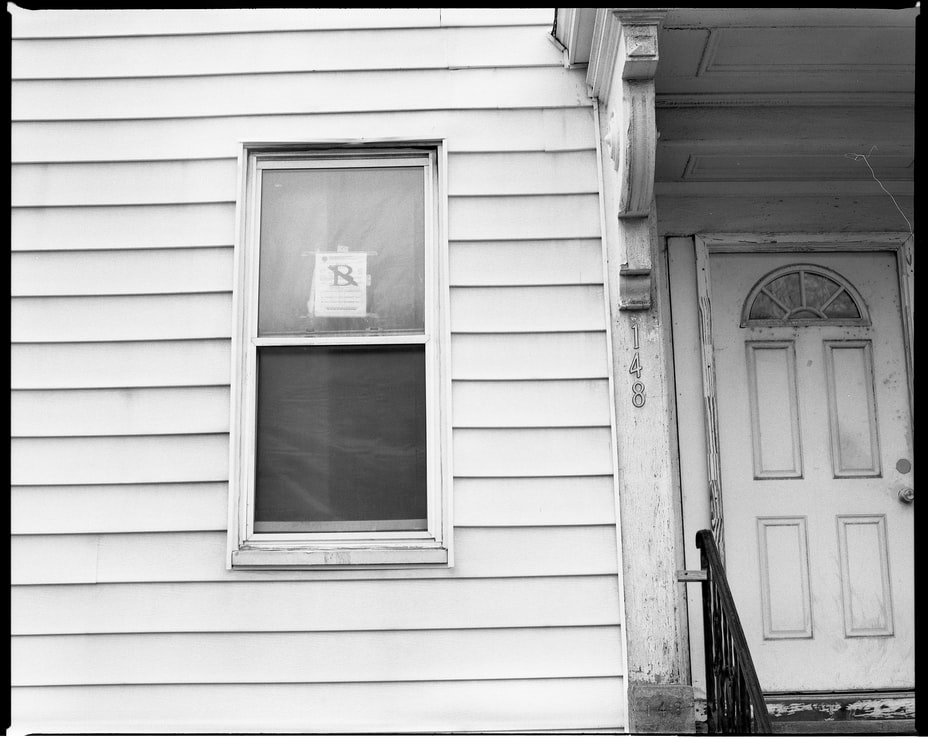
Black and white image of a house’s front door and window

Temporary Protection from Eviction

COVID-19 has affected almost all areas of our daily lives, be it financial, personal, educational or professional. Adjusting to the new normal has indeed been a challenge for people all around the globe. However, health care providers and people in authority are working round-the-clock to ensure the wellbeing of as many people as they can.

As a response to this global threat, state and local governments have taken drastic measures to ensure public health and safety. When it comes to housing, eviction laws in several countries, including the US, have been temporarily altered to not only prevent the spread of this disease but also facilitate people who are struggling with financial issues.

Providing stable housing is an effective measure because it allows people to abide by the stay-at-home and social distancing measures recommended by state and local authorities. It also reduces the number of homeless people residing in congregate settings or shelters. Improved living conditions are bound to reduce the spread of this virus.

The Final Word

The laws amended in the light of COVID 19 provide increased protection to tenants and renters. From March 1, 2020, to September 30, 2021, all landlords and property owners have been advised not to evict any residents if the sole reason for their eviction is their inability to provide housing payment. The state has developed a rental assistance program to reduce financial distress on both landowners and renters. All tenants that qualify for this program will be provided with financial assistance during and beyond this period to help reduce their struggles.

Class Inequality in Healthcare | Wealthy? You’ll Be Healthy

Featured

Doctor And Patient Looking At Test Results
Health Care Access For Rich People

The conversation about class inequality in healthcare all over the world has been going on for a while. Whether you are looking at rich nations like the US or poorer nations with shoddy healthcare services, there are clear differences in the sort of care the rich get and the care that the poor get. Due to problems with insurance and high prices, healthcare is really expensive for a lot of people. This has resulted in serious class inequality in healthcare, with only the rich being able to afford access to good care.

With one billion children living below the poverty line across the world, they are more likely to suffer from poor nutrition, obesity, and asthma. Adults who are part of the lower socioeconomic category are also more likely to experience mental illnesses, infectious diseases, heart conditions, obesity, and blood pressure issues.

Taking time off from work to go to the doctor, not being able to pay for services, not having access to healthcare consultancy, and more are common problems. Being poor also means that you have more crises and stress to deal with, which can also add to a person’s health woes.

The gap between the rich and the poor has been sharply increasing since the 1970s. The increase in the gap between the rich and the poor definitely has consequences that can impact individuals deeply. One way to address class inequality in healthcare is to enact top-down policies that are designed to address such inequalities specifically. There needs to be more focus on making sure that healthcare is easy to access for everyone in society without putting you under a big debt of thousands of dollars.

My Name is Brad – A Docu-drama Film / Project in Memory of Kelly Thomas and Countless Others Who Fall Victim to the Stigma of Mental Health and Homelessness in America

Bradley James was born on April 13th, 1972. Kelly Thomas was born on April 5th, 1974. While neither met each other, they both share something in common. They both suffered from schizophrenia. While Brad lives in British Columbia, struggling to make ends meet, Kelly was not that lucky. On July 10th, 2011, while many in America were glued to their television screens, watching in awe as the US team defeated Brazil during the semi-final of the 2011 FIFA Women’s World Cup, Kelly Thomas lay in a hospital bed, bloody and dying.

Kelly Thomas, a man who had struggled with fits of schizophrenia his entire life, was dragged out into the streets and brutally beaten by six officers of the Fullerton California police department – he later succumbed to his injuries.

Now, 57 Years of Soul Music Radio is collaborating with The Urban Survivor Humanitarian Network and Cheektowaga-Omni Media Marketing based in Vancouver, British Columbia, Canada, to tell Kelly’s story to the world. The company is raising funds via Slated, a crowdfunding platform for filmmakers, to launch the production of their film, “My Name Is Brad” in early Spring 2021.

This docudrama film is an initiative to recognize severe mental health issues and make them a mainstream topic of conversation. The film is aimed to show the controversy surrounding mental illnesses and police misconduct. It revolves around the lives of Brad James and Kelly Thomas.

With the current scenarios looking to get worse before they get better, the producers of “My Name Is Brad” believe that now’s the right time to bring this topic to the forefront of humanitarian initiatives that should be prioritized. With the new President in the Oval Office, we are closer to this dream than ever before – to end the injustice, indignation, and stigma associated with mental health and homelessness.

All funds raised through this film will be used to kick start an Urban housing development in all major cities. Modular container housing can be purchased for less than $2000 per unit. Since the government spends millions on everything else, it’s time to end homelessness and help those who are struck with mental illness.

From Homelessness to Renting: How to Find Rental Housing without References

Featured

There is no point in sugar-coating the fact that transitioning from homelessness to renting can be quite difficult for an individual, especially in cities like Toronto or Vancouver. From a landlord’s perspective, these markets are full of eligible and desirable tenants, so why would they lend their property to someone without any reference and an unstable (or non-existing) rental history.

This is a challenge most homeless people face, even when they have found a stable job and have enough money for a deposit. Finding rental housing without references can be tough but not impossible. There are a few things you can do:

1. Seek out your regional Housing First* program. It’s designed to help homeless people find stable homes. You’d need to contribute a portion of your income (ideally 30% or more) while the rest would be covered by rent subsidies. It also helps you establish a rent history that can open up more rental housing options for you.

2. Provide potential landlord proof of stable income. If you’ve been working for a while, bring your last three payslips and, preferably, a letter from your employer stating your good behavior (and that they don’t have any plans to let you go in the foreseeable future).

3. If you have a stable income and money for monthly rent but not the deposit, charities like Canadian Red Cross and Salvation Army might assist you (financially). With a decent deposit amount (say three-months rent), you might be able to convince potential landlords to rent to you, even if you don’t have references.

4. Don’t fake a reference history. It is a huge red flag, and if you get caught, it might disrupt your chances of renting with other landlords as well.

5. Talk to the people who are running emergency shelters. They might be able to guide you to individuals who might be inclined to rent to you without references, just to pull you out of homelessness. If not, they might be able to put you in touch with local housing assistance programs you might not be aware of.

Be honest, talk to the people helping homeless individuals in your community, try to save as much money as you can for rent and deposit, find a co-signer if you can, and make sure your employer puts in a good word for you.

*https://www.bchousing.org/projects-partners/funding-opportunities/RHFP

Boggles Brown – The Blurb

Featured

-From “Boggles Brown – My Cartoon Life in the Land Of Schizophrenia” inner sleeve. – 2010

Boggles Brown is broke, except for the “People With Disabilities Allowance” he gets once a month. This month, he lives in a run-down motel – he manages to buy an old beat-up Toyota which is unreliable but reliable if you know what I mean. Somtimes he thinks his car may be bi-polar.

He wonders whether he should be using one of those fancy-named gasoline additives like “Engine-X,” I imagine “Engine-X” to be somewhat like Olanzapine, only for cars.

Boggles Brown struggled through college. He graduated,worked for a while and then became bonkers. It was not worth the ecstacy or all the raves in the world to lose his mind – he knows that now. But it is his life, what to do?

Boggles Brown is not how I see myself so much, as how I think others see me. My mom has read some of my cartoons and scratched her head. I imagine a lot of people will do the same. But that’s not the point – is it? Am I Canada’s Andy Warhol? I think not.

I hope you like Boggles, and if you don’t, I hope you keep it to yourself because the point is that it gave me something to do.

These are all hand-drawn on whatever paper I could find.

– Boggles Brown; “BJAF” 2010

“Genes” – Boggles Brown; Urban Survival Media 2009

Exclusive Boggles Brown T-Shirts Online

Featured

Browse and bedazzle when you wear the words of our talkative transient.

Greetings Readers,

Now, like never before, we have been waiting for a marketing breakthrough to gain that glimmer of interactivity on it’s way to your wardrobe. This time, we hired Social Media Management Company UK to help us in our branding and marketing our new product. It’s here – Boggles Brown multi-colour T-Shirts where you get to write the dialogue for our lovable but lunatic street-sage.

https://www.slated.com/films/736655

Drop by and donate to give the My Name Is Brad docudrama the funding it needs and order a Boggles Brown exclusive hand drawn T-Shirt by local artist Brad James.

Stay Safe and Think of B. Brown When You’re Feeling Down.

– The Crew At The Urban Survivor and My Name Is Brad