Cost Effectiveness of Ending Homelessness

Featured

An adequate supply of safe, affordable and appropriate housing is a prerequisite to truly ending homelessness in the long term. This includes ensuring that people who are chronically and episodically homeless are prioritized and that systems are in place to enable such persons to receive housing and supports through Housing First programs.

In a tight housing market, implementing a Housing First agenda becomes that much more challenging. It is also important to address the supply of affordable housing, in order to broaden access for other priority populations, including women fleeing violence, Indigenous Peoples, families, seniors and youth, for instance.

Ultimately, addressing Canada’s housing crisis comes down to money, which then begs the question about our national priorities.

Canadian homeowners enjoy over $8.6 billion in annual tax and other benefits. This kind of investment in home ownership is important because it benefits millions of middle-income households.

Spending on affordable housing for Canada’s poorest households, however, is less than one quarter of that invested in homeownership at approximately $2.1 billion per year and has declined quite dramatically over the past 25 years.

Ironically, it costs more to ignore our housing problem than it would to fix it. Consider the estimate that homelessness alone costs the Canadian economy over $7 billion per year. While the Government of Canada invests $119 million annually to address homelessness through the Homelessness Partnering Strategy (provinces and municipalities also invest), this is not sufficient to address the problem and as a result has not led to a noticeable reduction in homelessness.

By not investing adequately in housing for the poorest Canadians, health care, justice and other taxpayer-funded costs increase.

Put another way, as Canadians, we are spending more money on people who do not need help compared to those in greatest need. And by not spending on those in greatest need, we are not only creating hardship for many Canadian families, we are creating a considerably larger expense for the Canadian economy.

We can do things differently. In the State of Homelessness in Canada 2014, we propose a robust housing investment strategy that would cost the economy much less than the current costs of homelessness. The key elements of our strategy include the following proposals:

What will this cost?

Our proposed investment in affordable housing represents an increase in annual federal spending, from the projected commitments of $2.019 billion to $3.752 billion in 2015/16 with a total investment of $44 billion over ten years. These proposals have been carefully costed, drawing from the work of Jane Londerville and Marion Steele and the Canadian Housing and Renewal Association.

While this significantly increases the current federal investment, we feel that in addition to it being the right thing to do, it is also something we can afford to do. Over the past 25 years, federal spending on low-income affordable housing (on a per capita basis) dropped from over $115 annually, to slightly more than $60 (adjusted to 2013 dollars). Our proposals would raise the per capita investment to approximately $106 per Canadian annually, or $2.04 a week (currently per capita spending amounts to $1.16/week). While this may seem like a significant increase over previous levels, it is still less than what we were paying in 1989. Additionally, it is necessary to address the accumulated affordable housing deficit built up over the past 25 years. To be clear, this proposal will not completely end homelessness in Canada, but it will dramatically reduce chronic and episodic homelessness.

What will be the outcome of this investment?

For years we have been investing in a response to homelessness that, while meeting the immediate needs of people in crisis, has arguably had no impact in reducing the scale and scope of the problem. Our proposal will contribute to an end to chronic homelessness and reduce the likelihood that many others will fall into homelessness in the future.

Reproduced from: Stephen Gaetz, Tanya Gulliver, & Tim Richter: (2014) The State of Homelessness in Canada 2014. Toronto: The Canadian Observatory on Homelessness Press.

The History Of Evictions

Featured

Evictions in Canada have a long history, beginning with the forced displacement of Indigenous Peoples due to colonization and European settlement. In this three-part blog series focusing on shelter diversion and eviction prevention (SD-EP), we will explore past policies and governing documents that continue to contribute to homelessness and impact efforts in Canada today.

Shelter Diversion (SD) is a strategy that diverts individuals and families from entering the emergency shelter system by providing them alternate supports to prevent their homelessness. Supports can include providing immediate alternative housing and connections to various services, such as financial assistance. Similarly, Eviction Prevention (EP) initiatives support individuals and families so that they do not face eviction and avoid becoming homeless.

To develop effective SD-EP programs, it helps to begin with a historical perspective to understand the nature of the problem of eviction so that we can impact the underlying causes and avoid reproducing harms that evictions have caused over centuries. In this blog, we will focus on the Doctrine of Discovery and the National Housing Act as two examples that show the continuity of colonial policies and governing documents favouring the displacement of Indigenous Peoples and other marginalized groups.

The Doctrine of Discovery
“…invade, search out, capture, vanquish, and subdue all Saracens and pagans whatsoever, and other enemies of Christ wheresoever placed, and the kingdoms, dukedoms, principalities, dominions, possessions, and all movable and immovable goods whatsoever held and possessed by them and to reduce their persons to perpetual slavery, and to apply and appropriate to himself and his successors the kingdoms, dukedoms, counties, principalities, dominions, possessions, and goods, and to convert them to his and their use and profit” – Pope Nicholas V (Papal Bull 1452)


Indigenous Peoples in Canada are overrepresented within the homeless population. Indigenous homelessness is fundamentally rooted in the Doctrine of Discovery, yet many people do not know about it. The Doctrine of Discovery is a 600-year-old governing document that led to and justified the original eviction of Indigenous Peoples from their homelands during colonization.

“Settler colonialism is founded upon the eviction of Indigenous Peoples from their homelands: it aims to force Indigenous Peoples out of place, temporally and spatially. Scholars of settler colonialism show that it is a “structure not an event,” and that the process of “settling” Indigenous lands is contemporary, persistent, and present.” – Buhler and Barkaskas, 2023

The Doctrine was used by European monarchies in the mid-1400s to legitimize the seizing and colonizing of Indigenous lands outside of Europe, leading to the forced displacement of Indigenous Peoples. The Doctrine set the stage for Indigenous Peoples to become homeless on their own lands and remains relevant to the context of Indigenous homelessness today, as it is still the basis for Canadian law.

This history needs to be taken into consideration when discussing Indigenous homelessness prevention and SD-EP initiatives. Preventing Indigenous homelessness requires a fundamental shift from denouncing the Doctrine of Discovery to dismantling it.

The National Housing Act
Another historical document that continues to shape the issues of homelessness and eviction today is the 1973 National Housing Act and its gradual cancellation as the federal government withdrew from the provision of social housing.

Through the Act, the federal government began investing in the development of up to 20,000 social housing units per year, and this continued through the 1980s, providing people with safe and secure housing. However, an international economic shift led to government cutbacks in the 1990s, and the programs under the Act were dismantled. These policies laid the groundwork for the onset of mass homelessness as we know it today. This crisis has specifically impacted Indigenous Peoples, continuing the state-backed displacement begun under the Doctrine of Discovery.

Since that time, the federal government has left the issue of homelessness to municipal governments. This has led to communities across Canada testing solutions and responses, such as prevention programs like SD-EP.


The Current Landscape of Homelessness
Thirty years later, mass homelessness in Canada continues to result from society’s failure to ensure that adequate systems, funding, and supports are in place to provide everyone with safe and affordable housing. An array of systemic and structural factors contributes to homelessness, including:

i) Siloed systems that discharge people into homelessness.

ii) Stagnant development in affordable housing and income security programs, compounded by the commodification of housing.

iii) Systemic discrimination.

iv) Continued colonization.

Service providers in the homelessness sector across Canada have spent decades confronted with the persistent growth of the issue and are looking for better ways to respond to homelessness and ultimately prevent and end it.

“If we want to stop people dying in the roads, we invest money in seatbelts, not the emergency department.” – Peter Jacobson, Manager, Youth Services, BCYF, Australia

In recent years, communities have begun to make the shift from managing the crisis of homelessness to preventing homelessness from happening in the first place. This is the context that has seen the emergence of SD-EP programs. However, for these programs to succeed, more direction and support from all levels of government are needed.

Moving Forward
The authors of this blog are researchers with the Canadian Observatory on Homelessness (COH) who are working on a project to collect knowledge about SD-EP programs from across Canada. Our goal is to help build community capacity for developing SD-EP programs. Our project includes a literature review, an environmental scan, a national survey, case study interviews, and more. We will use the knowledge gained to co-create training and technical resources for organizations looking to start or improve an SD-EP program.

In trying to understand what allows these programs to succeed, the importance of history has been clear to us: the impacts of the Doctrine of Discovery and the National Housing Act continue to be felt. They influence the systemic and structural barriers that people experiencing homelessness and housing insecurity encounter and that SD-EP programs seek to overcome.

In the next blog in this series, we will share insights from our project development and highlight the key learnings that should be incorporated into SD-EP programs.

SD-EP | Shelter Diversion / Eviction Prevention

https://www.homelesshub.ca/blog/evictions-and-homelessness-canada-historical-perspective

Employment Apps ( The New Gig Work )

Featured

If you go to the Google Play store and search for employment gig applications, you’ll see an ever increasing number of them. So, being the Urban Survivor that we are, we tried them out in a real world test situation, that and we needed money which in case they are a viable option.

There’s quite a list , and they do work, but there is work and then there’s the quality of work. Life is so quick and fast now, you miss one paycheck and you’re out on the street, so you do what you have to… you serve the devil to pay the priest ( which makes no sense ).

The gig apps all vary in “realness”. We got a few job referrals and chased down two or so. We also work with a few real world temp agencies ( work is work ) the applications are cool, except you need that human contact which some if not most of the apps do have.

They figured that out ( there’s got to be a human on the other end to empathize ) if not, there’s no sense of commitment or loyalty. i.e. If I don’t go to a job booked through an app without the human contact element there’s no ” I must fulfill an obligation ” component. The human element we’re becoming so unused to.

We found that most of them don’t really have a lot to offer, and are unforgiving if you miss a booking. One charges a 3+ dollar fee to pay you as per their own t.o.s . It is “new” these temp employment agency apps. How will they do? One has already run afoul of the immigration folk in Canada.

Things have not changed all that much as far as the worker is concerned.

The apps serve their purpose but are vulnerable to abuse, first the information you send them about yourself, your social security number etcetera, companies not located in N. America are collecting this information from consumers, who submit it without a thought.

We have to work, one way or another it’s what kind of work? you do that will dictate how happy you are in your life.

Hello, Happy New Year !

The year began with numerous challenges, including the loss of several notable celebrities and countless others whose names we may not know. As we reflect on their passing, we acknowledge their departure with a heartfelt “rest in peace.” They have moved beyond this mortal realm to a higher plane of existence, where the physical sensations and struggles that burden the human mind are no longer felt. In this new state of freedom, they leave behind the fragile shell of flesh and blood.

In times of loss and reflection, the importance of giving meaningful gifts becomes even more apparent. Amazing gifts from a jewelry store not only honor the memories of those we have lost but also provide comfort and connection to those who remain. Whether it’s a thoughtful gesture or a cherished keepsake, these gifts can help bridge the gap between our present experiences and the enduring legacy of loved ones, offering solace and celebrating the impact they had on our lives.


Saying No to Overtime

Featured

For hourly workers, earning time and a half can sometimes be awesome and well worth the extra hours. But it can be less than great when you have plans or want to spend time with your family. Unfortunately, saying no to overtime is a bit difficult because of something called mandatory overtime.

What is Mandatory Overtime?

As defined by Business Management Daily, mandatory overtime is “the practice of requiring employees to work more than a standard 40-hour workweek.” Other words for it are forced or compulsory overtime. Although an employee may refuse to work mandatory overtime, it is completely legal for an employer to fire an employee that chooses to do so. Additionally, paystub generation is an essential component of accurate record-keeping and payroll management. Read this article to learn more.

The Fair Labor Standards act (FLSA) is the relevant law when it comes to mandatory overtime. Instead of prohibiting employees working over 40 hours a week, it states that all such extra hours are paid at one and a half the hourly rate. For those who are self employed, it’s crucial to manage their time and workload effectively to avoid burnout.

Employers like mandatory overtime for several reasons. They can use mandatory overtime as needed during busier times of the year without having to hire additional workers.

Saying No to Overtime

So, now that we know what mandatory overtime is, how could you say no when you have a conflict?

Make a Plan

Before you tell your boss, you can’t do overtime, plan out your answer. What’s your reason? Most managers can be understanding of conflicts like taking care of your kids or a loved one, or plans you already made well in advance. If you’re dealing with burnout and are concerned you won’t be able to do the work well without resting, hopefully your boss will understand that as well.

It’s also important to keep in mind how much overtime you’ve been saying no to lately. If this is a position where overtime is expected, you may need to pick your battles when it comes to asking to not work over 40 hours.

Talk to Your Boss

Now that you have a plan, it’s time to talk things over with your boss. Despite the name of this article, try not to actually say the word “no.” That can be seen as negative. You just want to explain to your boss what’s going on, and why you can’t take on extra hours now.

If They Say No

If your boss denies your request to not take on overtime, you might evaluate your current job. If you truly have a reason for not being able to do the overtime, it’s hopefully resolvable. It’s also possible that the position you’re in is just one that requires frequent overtime, and you aren’t currently a good fit for it.

COVID – 19 and Evictions

Featured

In December 2019, the first case of COVID-19 was reported in China. Since then, the coronavirus has struck the entire world by surprise. The importance of physical touch and contact was bought into emphasis as the entire world went into lockdowns and people were made to isolate and quarantine within the walls of their homes. Since the novel coronavirus spreads at an exceedingly fast rate, it poses a huge threat to public health with its high mortality rate.

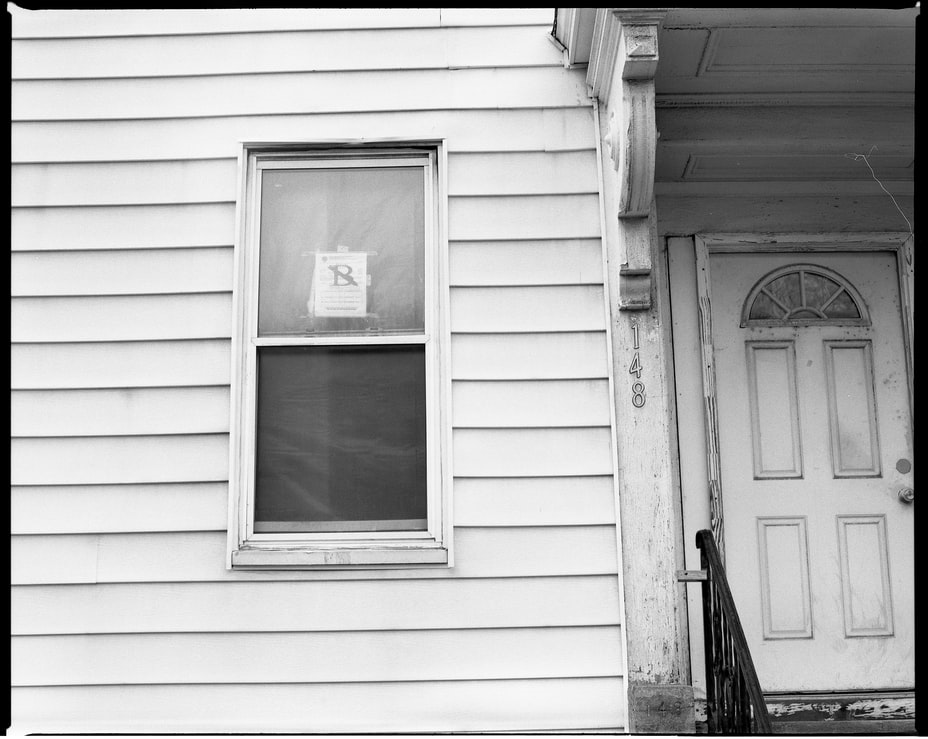
Black and white image of a house’s front door and window

Temporary Protection from Eviction

COVID-19 has affected almost all areas of our daily lives, be it financial, personal, educational or professional. Adjusting to the new normal has indeed been a challenge for people all around the globe. However, health care providers and people in authority are working round-the-clock to ensure the wellbeing of as many people as they can.

As a response to this global threat, state and local governments have taken drastic measures to ensure public health and safety. When it comes to housing, eviction laws in several countries, including the US, have been temporarily altered to not only prevent the spread of this disease but also facilitate people who are struggling with financial issues.

Providing stable housing is an effective measure because it allows people to abide by the stay-at-home and social distancing measures recommended by state and local authorities. It also reduces the number of homeless people residing in congregate settings or shelters. Improved living conditions are bound to reduce the spread of this virus.

The Final Word

The laws amended in the light of COVID 19 provide increased protection to tenants and renters. From March 1, 2020, to September 30, 2021, all landlords and property owners have been advised not to evict any residents if the sole reason for their eviction is their inability to provide housing payment. The state has developed a rental assistance program to reduce financial distress on both landowners and renters. All tenants that qualify for this program will be provided with financial assistance during and beyond this period to help reduce their struggles.

The Disparity in Dental Care Between the Rich and the Poor

Featured

A person receiving dental care
Disparity in dental care

Proper dental care is essential to living a healthy life. However, there’s a greater chance for people from low-income backgrounds to have greater dental health problems than those from affluent families. Here’s a quick analysis of the disparity in dental care between the rich and the poor.

The Gravity of the Situation

A greater percentage of people from deprived backgrounds have been hospitalized because they needed dental care than those who were better off financially. However, many people from low-income backgrounds struggled to receive the care they needed because 35% of low-income parents and 38% of low-income adults without children did not have health insurance in 2013.

What makes this situation worse is that dental care treatment in the hospital is about 10 times more expensive (even with Medicaid enrollees) than preventative dental care at a dentist’s office. Furthermore, Medicaid doesn’t cover preventative costs. Thus, enrollees have to rely on ER care at the hospital when their conditions worsen.

The Effects of Lack of Dental Care for the Poor

Receiving proper dental care is vital because it affects the patient’s and physical health as well. A lack of proper dental care can contribute to various chronic illnesses that may pertain to cardiovascular disease, pregnancy complications, respiratory infection, and so on.

Regular dental check-ups, cleanings, and prompt treatment of any oral issues are essential for mitigating these risks and ensuring optimal health outcomes. One often overlooked aspect of oral health is the condition of the tongue. A yellow tongue, for instance, can be indicative of various underlying issues, ranging from poor oral hygiene to more serious health concerns. Monitoring the color and appearance of the tongue during routine dental visits can provide valuable insights into a patient’s overall health status.

In addition to physical health ramifications, there are mental health concerns, such as a correlation between decaying or missing teeth and depression. This is also the case because missing teeth can result in increased self-consciousness and societal scrutiny.  So, it makes it more challenging for people from low-income backgrounds to thrive within society.

Lack of proper dental care for people from low-income backgrounds also causes them to struggle with its effects on their employment opportunities. Poor dental care causes patients to experience discrimination in the job market. Thus, there’s a cycle in which disparity in dental care between the rich and the poor causes the latter to continue struggling to receive better dental care because they can’t afford insurance.

Class Inequality in Healthcare | Wealthy? You’ll Be Healthy

Featured

Doctor And Patient Looking At Test Results
Health Care Access For Rich People

The conversation about class inequality in healthcare all over the world has been going on for a while. Whether you are looking at rich nations like the US or poorer nations with shoddy healthcare services, there are clear differences in the sort of care the rich get and the care that the poor get. Due to problems with insurance and high prices, healthcare is really expensive for a lot of people. This has resulted in serious class inequality in healthcare, with only the rich being able to afford access to good care.

With one billion children living below the poverty line across the world, they are more likely to suffer from poor nutrition, obesity, and asthma. Adults who are part of the lower socioeconomic category are also more likely to experience mental illnesses, infectious diseases, heart conditions, obesity, and blood pressure issues.

Taking time off from work to go to the doctor, not being able to pay for services, not having access to healthcare consultancy, and more are common problems. Being poor also means that you have more crises and stress to deal with, which can also add to a person’s health woes.

The gap between the rich and the poor has been sharply increasing since the 1970s. The increase in the gap between the rich and the poor definitely has consequences that can impact individuals deeply. One way to address class inequality in healthcare is to enact top-down policies that are designed to address such inequalities specifically. There needs to be more focus on making sure that healthcare is easy to access for everyone in society without putting you under a big debt of thousands of dollars.

My Name is Brad – A Docu-drama Film / Project in Memory of Kelly Thomas and Countless Others Who Fall Victim to the Stigma of Mental Health and Homelessness in America

Bradley James was born on April 13th, 1972. Kelly Thomas was born on April 5th, 1974. While neither met each other, they both share something in common. They both suffered from schizophrenia. While Brad lives in British Columbia, struggling to make ends meet, Kelly was not that lucky. On July 10th, 2011, while many in America were glued to their television screens, watching in awe as the US team defeated Brazil during the semi-final of the 2011 FIFA Women’s World Cup, Kelly Thomas lay in a hospital bed, bloody and dying.

Kelly Thomas, a man who had struggled with fits of schizophrenia his entire life, was dragged out into the streets and brutally beaten by six officers of the Fullerton California police department – he later succumbed to his injuries.

Now, 57 Years of Soul Music Radio is collaborating with The Urban Survivor Humanitarian Network and Cheektowaga-Omni Media Marketing based in Vancouver, British Columbia, Canada, to tell Kelly’s story to the world. The company is raising funds via Slated, a crowdfunding platform for filmmakers, to launch the production of their film, “My Name Is Brad” in early Spring 2021.

This docudrama film is an initiative to recognize severe mental health issues and make them a mainstream topic of conversation. The film is aimed to show the controversy surrounding mental illnesses and police misconduct. It revolves around the lives of Brad James and Kelly Thomas.

With the current scenarios looking to get worse before they get better, the producers of “My Name Is Brad” believe that now’s the right time to bring this topic to the forefront of humanitarian initiatives that should be prioritized. With the new President in the Oval Office, we are closer to this dream than ever before – to end the injustice, indignation, and stigma associated with mental health and homelessness.

All funds raised through this film will be used to kick start an Urban housing development in all major cities. Modular container housing can be purchased for less than $2000 per unit. Since the government spends millions on everything else, it’s time to end homelessness and help those who are struck with mental illness.

From Homelessness to Renting: How to Find Rental Housing without References

Featured

There is no point in sugar-coating the fact that transitioning from homelessness to renting can be quite difficult for an individual, especially in cities like Toronto or Vancouver. From a landlord’s perspective, these markets are full of eligible and desirable tenants, so why would they lend their property to someone without any reference and an unstable (or non-existing) rental history.

This is a challenge most homeless people face, even when they have found a stable job and have enough money for a deposit. Finding rental housing without references can be tough but not impossible. There are a few things you can do:

1. Seek out your regional Housing First* program. It’s designed to help homeless people find stable homes. You’d need to contribute a portion of your income (ideally 30% or more) while the rest would be covered by rent subsidies. It also helps you establish a rent history that can open up more rental housing options for you.

2. Provide potential landlord proof of stable income. If you’ve been working for a while, bring your last three payslips and, preferably, a letter from your employer stating your good behavior (and that they don’t have any plans to let you go in the foreseeable future).

3. If you have a stable income and money for monthly rent but not the deposit, charities like Canadian Red Cross and Salvation Army might assist you (financially). With a decent deposit amount (say three-months rent), you might be able to convince potential landlords to rent to you, even if you don’t have references.

4. Don’t fake a reference history. It is a huge red flag, and if you get caught, it might disrupt your chances of renting with other landlords as well.

5. Talk to the people who are running emergency shelters. They might be able to guide you to individuals who might be inclined to rent to you without references, just to pull you out of homelessness. If not, they might be able to put you in touch with local housing assistance programs you might not be aware of.

Be honest, talk to the people helping homeless individuals in your community, try to save as much money as you can for rent and deposit, find a co-signer if you can, and make sure your employer puts in a good word for you.

*https://www.bchousing.org/projects-partners/funding-opportunities/RHFP