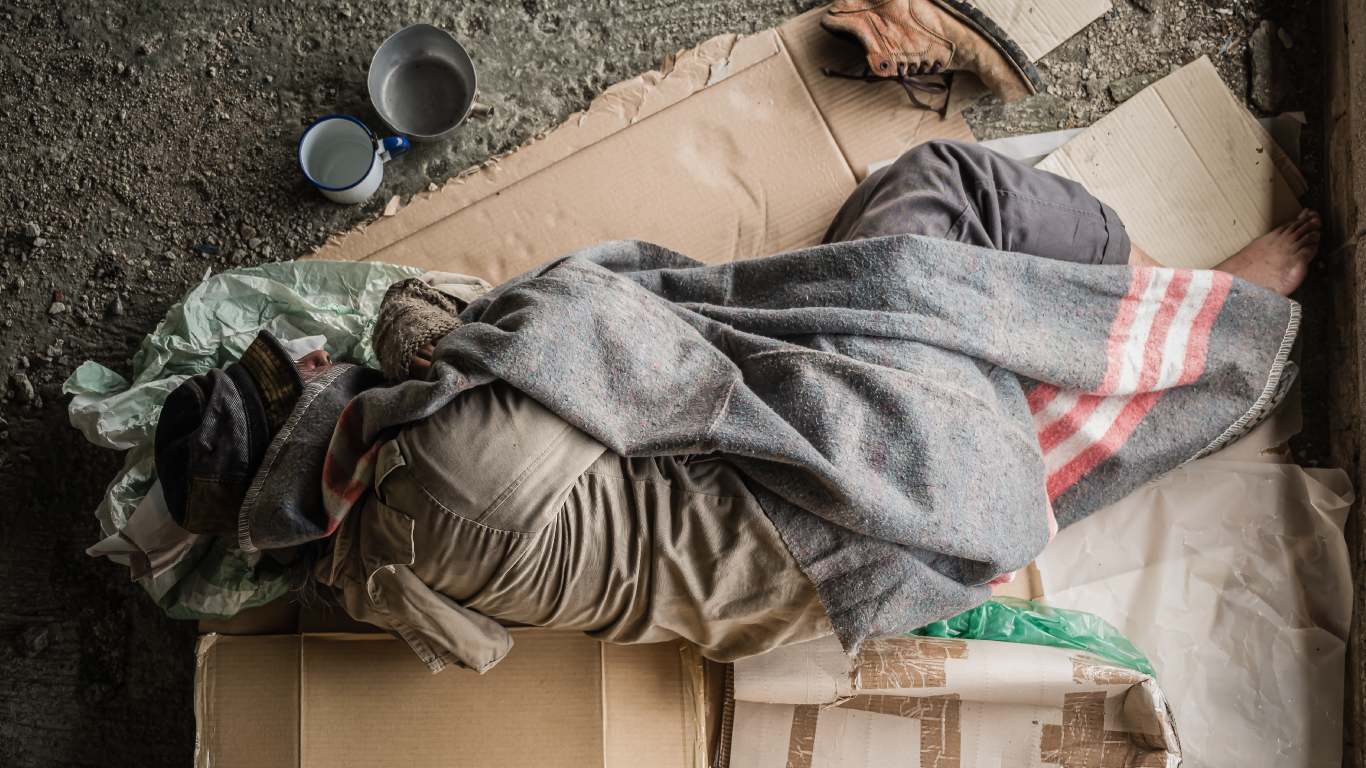
Poor people in Canada pay for funerals through provincial social assistance programs (like BC’s Ministry of Social Development or Ontario Works), the federal Canada Pension Plan (CPP) Death Benefit.
Many today are choosing simpler, lower-cost options like direct cremation, with funeral homes often guiding families through these limited financial resources. Government aid covers basic services, but often falls short of average funeral costs, requiring families to supplement or choose minimal arrangements.
Government Financial Assistance Provincial Programs: Most provinces have programs, often through social development or welfare ministries, to help with funeral costs if the deceased’s estate and family can’t pay.
British Columbia: The Ministry of Social Development and Poverty Reduction provides assistance, covering basic services, burial/cremation, and interment, working directly with funeral homes.
Ontario: Ontario Works helps cover basic funeral expenses for those in need, with a process involving your local office.
FederalProgram: Canada Pension Plan (CPP) Death Benefit: A one-time payment of $2,500 (a flat rate) is available if the deceased contributed to CPP for a minimum number of years, helping families with costs.
How the Process Works Contact the Ministry: After a death, the legal representative (executor) contacts the provincial ministry (e.g., Social Development) to see if the estate qualifies for assistance.
Work with Funeral Homes: Funeral directors are familiar with these programs and guide families to choose services within the available budget.
Ministry Pays the Funeral Home: If approved, the ministry pays the funeral home directly for approved services, which may cover cremation or burial and other basic costs.
Cost-Saving Options Direct Cremation: This is often the most affordable option, as it avoids embalming, viewing, and elaborate ceremonies. Simplified Services: Choosing basic services (no casket upgrades, flowers, or extensive visitations) keeps costs down.
Challenges Funding Gaps: Government funding often doesn’t cover the full average cost of a funeral, leaving a significant gap for families to fill. Limited Choices: Financial constraints restrict choices, making it hard to provide the send-off families desire.
Peace to All and Best Wishes to All in the New Year of Life and it’s passing encounters.
A groundbreaking trial for a prostate cancer treatment with fewer side effects has launched in the UK.
Backed by the Government-funded National Institute for Health and Care Research (NIHR), the trial will examine whether Aquablation – a therapy using robotics, AI and real-time imaging – works as well or better than traditional surgery, known as radical prostatectomy.
Radical prostatectomy involves removing the entire prostate gland in a bid to cure men of prostate cancer. The treatment is suitable for men whose cancer has not spread outside of the prostate gland or has spread to the area just outside the gland.
However, the operation carries a risk of serious side-effects, such as infection, erectile dysfunction and urinary problems.
Researchers hope Aquablation will minimise these issues.
The therapy is currently used in some centres to treat benign prostatic hyperplasia (BPH).
The treatment is suitable for men whose cancer has not spread outside of the prostate gland (Getty/iStock)
Aquablation involves a robotic-assisted, high-pressure waterjet. Surgeons can also map the entire prostate in real time with ultrasound.
Using the technique, medics find cancerous tissue to remove while avoiding surrounding nerves and muscles associated with erectile function and the bladder.
The Royal Marsden NHS Foundation Trust in London is the first hospital in Europe to recruit a patient to the trial, which is being run in seven countries.
Overall, 280 patients will be recruited globally, all with early-stage, localised prostate cancer who have already decided to have surgery.
Philip Charlesworth, consultant urological surgeon at the Royal Marsden, said: “For men with prostate cancer confined to the prostate, curative options are excellent, however, we are becoming increasingly focused on the side-effects of the cancer treatment and how we can embrace new technology to maintain a man’s quality-of-life following their surgery.
“This trial is measuring Aquablation therapy, which uses a robotic approach to surgically remove the cancer, and to preserve a man’s ability to remain continent and maintain sexual activity.
“The potential for this trial is very exciting. It has an opportunity, depending on the results of the study, to add an alternative surgical treatment option for patients with localised prostate cancer across the globe.
“The ultimate aim, and my passion, is to improve prostate cancer treatments so that they cause less harm and are less invasive for the patient.
“I feel that this is an incredibly exciting prospect for the future of prostate cancer care.”
The Royal Marsden NHS Foundation Trust in London is the first hospital in Europe to recruit a patient to the trial (Getty)
Other potential treatments for localised prostate cancer include active surveillance or monitoring of the cancer and radiation.
The new trial is sponsored by the US company, Procept BioRobotics.
To date, there are more than 25 centres globally recruiting patients for the trial.
The four UK centres are the Royal Marsden, Guy’s and St Thomas’ NHS Foundation Trust, the Royal Free London NHS Foundation Trust and Norfolk and Norwich University Hospitals NHS Foundation Trust.
The trial comes after Health Secretary Wes Streeting said earlier this week he was “surprised” by the decision from scientific advisers to limit prostate cancer screening.
In a draft recommendation, the UK National Screening Committee (UKNSC), which advises the Government, said prostate cancer screening should not be made routinely available for the vast majority of men in the UK.
It said it would not recommend population screening using the prostate-specific antigen (PSA) test because it “is likely to cause more harm than good”.
Experts are expecting data within two years from a large trial launched by Prostate Cancer UK into whether combining PSA with other tests, such as rapid MRI scans, could lead to a recommendation for population-wide screening.
For now, the committee will put forward only a recommendation to screen men with BRCA1 and BRCA2 genetic mutations – which puts them at far higher risk of prostate cancer – every two years, between the ages of 45 and 61.
Main symptoms of prostate cancer
Prostate cancer usually starts to grow on the outer part of the prostate. If this happens, it can cause changes to the way you pee, such as:
finding it difficult to start peeing or straining to pee
having a weak flow of urine
“stop start” peeing
needing to pee urgently or often, or both
feeling like you still need to pee when you’ve just finished
peeing during the night
Other symptoms can include:
erectile dysfunction (being unable to get or keep an erection)
blood in your urine or blood in your semen
lower back pain and losing weight without trying to (these may be symptoms of advanced prostate cancer)
Speaking on Wednesday on BBC Breakfast, Mr Streeting said he was surprised by the decision.
He said: “I’m looking very carefully at why the national screening committee reached that decision.
“I’ve always said these things have got to be based on science and evidence, not on politics.
“But the recommendation did surprise me.
“This is contested. I’ve got people in the prostate cancer community and not just really prominent patients and celebrities and politicians who’ve used their experience and their voice in this debate, but among scientists and researchers.
“This is a draft recommendation. They consult on this for three months, and then we have to make a final decision.
“What I’m going to do is get some of those leading, best scientific voices and competing opinions around the table to thrash this out, to really interrogate the data and make sure that when I come on your programme having made a decision, it’s the right decision for the right reasons, the best evidence and the public can then understand why we’ve made the decision and the scientific community can understand why we’ve made the decision.
“But I am interrogating this data and recommendation because it did surprise me.”
Many experts argue that the PSA test is not very reliable because men with a high PSA level may not have cancer, and some men with cancer have a normal PSA result.
A positive test result may lead to unnecessary treatment for slow-growing or harmless tumours, leaving men at risk of side effects such as incontinence and erectile dysfunction.
But others argue that current evidence supports wider testing.
The Homeless Prevention Program provides portable rent supplements and support services to individuals in identified at-risk groups facing homelessness.
About the program
The Homeless Prevention Program is an initiative aimed at providing individuals in identified at-risk groups facing homelessness with portable rent supplements and support services to help them access rental housing in the private (non-subsidized) housing market.
The rent supplements and support services help recipients access rental housing in the private (non-subsidized) housing market and community-based services.
The Homeless Prevention Program operates, in many instances, as an enhancement to the existing Homeless Outreach Program / Indigenous Homeless Outreach Programs and targets individuals at transition points that put them at greater risk of homelessness.
Cost: None. Services are free.
Am I eligible?
To be eligible, you (or someone you know) are at immediate risk of homelessness. This includes:
Youth transitioning out of foster care
Women who have experienced violence or are at risk of violence
Individuals leaving the correctional or hospital systems
Individuals of Indigenous descent
Age
Rent supplements are for eligible individuals aged 19 years and older
Dental care remains a critical yet often overlooked component of overall health, with millions in Canada and the United States unable to afford basic services. For low-income individuals, the high cost of dental care exacerbates health inequities, perpetuates cycles of poverty, and strains public health systems. This article examines the systemic barriers to affordable oral health care in both countries, highlighting policy gaps, socioeconomic disparities, and the human toll of unmet dental needs.
The Canadian Context: Progress and Persistent Gaps
In Canada, approximately one-third of residents lack dental insurance, and one in four avoid dental visits due to cost, often leading to preventable complications like infections, cardiovascular issues, and diabetes-related problems. Recognizing this crisis, the federal government launched the Canadian Dental Care Plan (CDCP) in 2023, targeting uninsured households earning under 90,000 its phased rollout has left gaps. For example, adults aged 18–64 must wait until 2025 to apply, prolonging financial strain for many.
Despite these efforts, challenges persist. The CDCP’s “payer of last resort” model does not fully address accessibility barriers, such as rural “dental deserts” or provider shortages in marginalized communities. Additionally, Canada’s reliance on employer-sponsored insurance—covering 76% of insured individuals—leaves low-income workers, gig economy employees, and Indigenous populations disproportionately uninsured.
The U.S. Crisis: A Landscape of Inequity
In the U.S., over 76.5 million Americans lack dental insurance, with disparities starkly divided along racial and economic lines 5. Black and Hispanic adults are 68% and 52% more likely, respectively, to have unmet dental needs compared to white Americans, while rural residents face severe provider shortages—Alaska, Montana, and North Dakota have the highest rates of “dental deserts”. Medicaid, the primary safety net, often limits adult coverage to emergency extractions, leaving preventive care inaccessible. Even insured individuals face high deductibles and annual caps, forcing many to delay treatment until crises arise.
The consequences are dire. Poor oral health contributes to lost productivity (4.15 million workdays missed annually) and unnecessary emergency room visits, costing the U.S. healthcare system $1.8 billion in 2017 alone. Vulnerable groups, including veterans and low-income families, endure higher rates of periodontal disease and tooth loss, further entrenching health inequities.
Structural Barriers and Systemic Failures
Both nations grapple with systemic issues that compound affordability challenges:
Geographic Disparities: Rural areas in the U.S. and Canada suffer from dentist shortages, with rural Canada relying on fly-in clinics and the U.S. facing a ratio of one dentist per 3,850 rural residents.
Racial and Economic Inequities: Marginalized communities, including immigrants and people of color, face discrimination, language barriers, and limited access to culturally competent care.
Policy Limitations: Canada’s CDCP excludes those with employer insurance, while the U.S. lacks a federal dental program, relying on fragmented state-level Medicaid policies.
Toward Equitable Solutions
Addressing this crisis requires bold policy reforms. Canada’s CDCP, though imperfect, represents a step toward universal coverage, but advocates argue for a federally funded agency to standardize care and close gaps. In the U.S., expanding Medicaid dental benefits and incentivizing providers to work in underserved areas could mitigate disparities. Both nations must prioritize integrating oral health into primary care and addressing social determinants like poverty and education.
Conclusion
The unaffordability of dental care in North America is not merely a health issue but a moral failing. While Canada’s CDCP offers hope, its success hinges on addressing accessibility and inclusivity. In the U.S., systemic overhaul is urgently needed to ensure oral health is treated as a fundamental right. Until then, millions will continue to suffer needlessly, their pain a testament to the enduring divide between privilege and poverty.
They may be small and swift, but if you notice this tiny silver creature scurrying around your home, you could be facing a significant and costly issue. Experts are advising anyone who spots a silverfish in their property to promptly check for dampness.
These shiny, teardrop-shaped insects thrive in moist conditions and are particularly fond of areas with water.
If you see one darting into or out of your skirting boards or crevices around window sills, it’s likely a sign of damp and moisture within your property. If not addressed, dampness can lead to a host of problems, including cracked bricks, rotting joists, decaying plaster, and spreading mould spores. In extreme cases, it can even compromise the structural integrity of the property and impact air quality.
Dampness can result from various factors, such as leaky drainpipes, condensation, ageing damp proofing, or inadequate ventilation, especially in bathrooms or kitchens where water vapour tends to linger. Identifying the cause can be tricky, but the presence of silverfish indoors usually signals that there’s dampness requiring attention.
Silverfish can be a sign of huge issues -Credit:Getty
The sooner signs of dampness are detected, the easier it will be to eradicate the bugs. It recommends looking for indications on walls like wet or damp patches, peeling wallpaper, and flaking plaster.
Other telltale signs include damp and musty smells, rotting wood, and the emergence of mould and mildew on walls, floors, or ceilings.
Among the proposed remedies are utilising a dehumidifier, maintaining good ventilation in your home, inspecting your gutters for leaks, applying damp-proof paint to your walls and, if necessary, engaging a professional to address areas impacted by rising dampness.
Market Necessity: In areas with severe housing shortages, slumlords may provide the only available option for low-income individuals, preventing homelessness.
Economic Realities: Some landlords claim they cannot improve properties without raising rents, which could displace tenants. Low-income tenants might prioritize cost over quality due to limited options.
Criticisms of Slumlords as a Blight:
Exploitative Practices: Charging high rents for substandard housing capitalizes on tenants’ desperation, often violating health/safety codes.
Health and Safety Risks: Poor conditions (e.g., mold, pests, structural issues) harm physical and mental health, disproportionately affecting marginalized communities.
Moral Concerns: Profiting from inadequate housing perpetuates inequality and dehumanizes tenants, prioritizing profit over human dignity.
Community Impact: Neglected properties contribute to neighborhood blight, reducing investment and perpetuating cycles of poverty.
Systemic Context:
Root Causes: Slumlords thrive in systems with inadequate affordable housing, weak regulation, and income inequality. They are a symptom of broader failures in housing policy.
Regulatory Gaps: Weak enforcement of housing standards allows slumlords to operate, while insufficient subsidies or public housing leave tenants with few alternatives.
Conclusion:
Slumlords are primarily a blight, exacerbating poverty and inequality through exploitation and neglect. While they may fill a temporary gap in housing supply, their practices harm individuals and communities. Addressing the issue requires systemic solutions:
Ethical Alternatives: Promote public housing, rent control, and community land trusts to provide dignified, sustainable housing.
Ultimately, the existence of slumlords underscores the need for structural reforms rather than tolerating exploitative stopgaps.
slumlords provide affordable housing. In many cities, there’s a shortage of affordable housing, so even if the housing is substandard, it might be the only option for low-income individuals or families. Without these slumlords, maybe there would be even fewer options, leading to homelessness. But then, the counterargument is that the conditions in these properties are terrible, possibly violating health and safety codes. So even if it’s affordable, is it acceptable for people to live in such conditions?
You’ve highlighted a critical tension in the debate about slumlords and affordable housing: the trade-off between availability and quality. Let’s break this down further:
The Argument That Slumlords Provide Affordable Housing:
Housing Shortages: In many cities, affordable housing is scarce due to rising costs, gentrification, and insufficient public housing. Slumlords fill a gap by offering low-cost options, even if the conditions are poor.
Preventing Homelessness: For some low-income individuals or families, substandard housing may be the only alternative to living on the streets or in shelters, which can be even more precarious.
Market Realities: Slumlords often operate in neighborhoods where property values are low, and the cost of maintaining or improving housing exceeds what tenants can pay. Without them, these properties might remain vacant or be redeveloped into unaffordable housing.
The Counterargument: Unacceptable Living Conditions:
Health and Safety Risks: Substandard housing often violates health and safety codes, exposing tenants to hazards like mold, lead paint, pests, faulty wiring, and structural instability. These conditions can lead to serious health problems, especially for vulnerable populations like children and the elderly.
Exploitation: Slumlords often charge rents that are disproportionately high relative to the quality of the housing, exploiting tenants who have no other options.
Moral and Ethical Concerns: Allowing people to live in such conditions raises ethical questions about dignity and human rights. Affordable housing should not come at the cost of basic safety and well-being.
Long-Term Costs: Poor housing conditions can perpetuate cycles of poverty by affecting tenants’ health, education, and employment opportunities, ultimately costing society more in healthcare, social services, and lost productivity.
The Broader Systemic Issue:
The existence of slumlords is a symptom of deeper systemic failures:
Lack of Affordable Housing: Governments and private developers have not built enough affordable housing to meet demand, leaving low-income individuals with few options.
Weak Regulation and Enforcement: In many places, housing codes are not strictly enforced, allowing slumlords to operate with impunity.
Economic Inequality: Rising income inequality and stagnant wages make it difficult for many people to afford decent housing, forcing them into substandard options.
Is It Acceptable?
While slumlords may provide a temporary solution to housing shortages, the conditions they offer are fundamentally unacceptable. Affordable housing should not come at the cost of health, safety, or dignity. The solution lies in addressing the root causes of the problem:
Policy Solutions: Governments should invest in affordable housing, enforce stricter housing codes, and provide subsidies or incentives for landlords to improve properties.
Community Initiatives: Nonprofits and community land trusts can develop and maintain affordable, high-quality housing for low-income residents.
Tenant Protections: Stronger tenant rights and rent control measures can prevent exploitation and ensure that housing remains affordable and habitable.
In conclusion, while slumlords may fill a gap in the short term, their existence is a symptom of systemic failures that need to be addressed. Affordable housing should not mean substandard housing, and society must strive to provide safe, dignified living conditions for all.
One of the more daunting questions related to astrobiology—the search for life in the cosmos—concerns the nature of life itself. For over a century, biologists have known that life on Earth comes down to the basic building blocks of DNA, RNA, and amino acids. What’s more, studies of the fossil record have shown that life has been subject to many evolutionary pathways leading to diverse organisms. At the same time, there is ample evidence that convergence and constraints play a strong role in limiting the types of evolutionary domains life can achieve.
For astrobiologists, this naturally raises questions about extraterrestrial life, which is currently constrained by our limited frame of reference. For instance, can scientists predict what life may be like on other planets based on what is known about life here on Earth? An international team led by researchers from the Santa Fe Institute (SFI) addressed these and other questions in a recent paper. After considering case studies across various fields, they conclude that certain fundamental limits prevent some life forms from existing.
Artist’s impression of Earth during the Archean Eon. Credit: Smithsonian National Museum of Natural History
The team considered what an interstellar probe might find if it landed on an exoplanet and began looking for signs of life. How might such a mission recognize life that evolved in a biosphere different from what exists here on Earth? Assuming physical and chemical pre-conditions are required for life to emerge, the odds would likely be much greater. However, the issue becomes far more complex when one looks beyond evolutionary biology and astrobiology to consider synthetic biology and bioengineering.
According to Solé and his team, all of these considerations (taken together) come down to one question: can scientists predict what possible living forms of organization exist beyond what we know from Earth’s biosphere? Between not knowing what to look for and the challenge of synthetic biology, said Solé, this presents a major challenge for astrobiologists:
“The big issue is the detection of biosignatures. Detecting exoplanet atmospheres with the proper resolution is becoming a reality and will improve over the following decades. But how do we define a solid criterion to say that a measured chemical composition is connected to life?
“[Synthetic biology] will be a parallel thread in this adventure. Synthetic life can provide profound clues on what to expect and how likely it is under given conditions. To us, synthetic biology is a powerful way to interrogate nature about the possible.”
The sequence where amino acids and peptides come together to form organic cells. Credit: peptidesciences.com
To investigate these fundamental questions, the team considered case studies from thermodynamics, computation, genetics, cellular development, brain science, ecology, and evolution. They also consider previous research attempting to model evolution based on convergent evolution (different species independently evolve similar traits or behaviors), natural selection, and the limits imposed by a biosphere. From this, said Solé, they identified certain requirements that all lifeforms exhibit:
“We have looked at the most fundamental level: the logic of life across sales, given several informational, physical, and chemical boundaries that seem to be inescapable. Cells as fundamental units, for example, seem to be an expected attractor in terms of structure: vesicles and micelles are automatically formed and allow for the emergence of discrete units.”
The authors also point to historical examples where people predicted some complex features of life that biologists later confirmed. A major example is Erwin Schrödinger’s 1944 book What is Life? in which he predicted that genetic material is an aperiodic crystal—a non-repeating structure that still has a precise arrangement—that encodes information that guides the development of an organism. This proposal inspired James Watson and Francis Crick to conduct research that would lead them to discover the structure of DNA in 1953.
However, said Solé, there is also the work of John von Neumann that was years ahead of the molecular biology revolution. He and his team refer to von Neumann’s “universal constructor” concept, a model for a self-replicating machine based on the logic of cellular life and reproduction. “Life could, in principle, adopt very diverse configurations, but we claim that all life forms will share some inevitable features, such as linear information polymers or the presence of parasites,” Solé summarized.
The first implementation of von Neumann’s self-reproducing universal constructor. Three generations of machines are shown: the second has nearly finished constructing the third. Credit: Wikimedia/Ferkel
In the meantime, he added, much needs to be done before astrobiology can confidently predict what forms life could take in our Universe:
“We propose a set of case studies that cover a broad range of life complexity properties. This provides a well-defined road map to developing the fundamentals. In some cases, such as the inevitability of parasites, the observation is enormously strong, and we have some intuitions about why this happens, but not yet a theoretical argument that is universal. Developing and proving these ideas will require novel connections among diverse fields, from computation and synthetic biology to ecology and evolution.”
The Canada Disability Benefit (CDB) is set to launch in July 2025 but not much is known about it, yet
(Play Media above to listen to this article)
In July 2025, a new era dawns for Canadians with disabilities. The Canada Disability Benefit (CDB) is set to launch, promising a much-needed financial lifeline for adults aged 18 to 64. It’s a significant shift in how the government approaches disability support, but the devil, as they say, is in the details.
The CDB will offer a maximum annual payment of $2,400 – that’s $200 a month – for the initial period from July 2025 to June 2026. Think of it as a foundational layer, a structured payment designed to ease the crushing financial weight many disabled Canadians carry. It’s a far cry from a silver bullet, however.
——————–
Before the CDB, the landscape was a patchwork quilt of provincial programs and the Canada Pension Plan Disability (CPP-D). While helpful, these existing systems often left individuals struggling.
“It won’t make much of a difference, $200 doesn’t go very far these days,” she adds, “If the government really wants to make a difference in my life and other disabled people they need to turn $200 into $500,” says Rae-Darlene Lavoie, who lives with Multiple Sclerosis and is wheelchair bound.
Many provincial programs are notoriously stingy, imposing restrictive eligibility criteria and offering paltry sums that barely cover the basics. It’s like trying to fill a bathtub with a teaspoon – a Sisyphean task, to say the least.
Amanda MacKenzie, national director of external affairs for March of Dimes Canada, painted a stark picture. She highlighted the pervasive reality of many disabled Canadians living on less than $30,000 annually. This isn’t just a statistic; it’s a reflection of a system that, until now, has fallen short.
The CDB aims for a more equitable, consistent approach, tailoring payments to individual and spousal income. While this is a step in the right direction, critics argue that $200 a month simply isn’t enough to meet the escalating cost of living, especially for those with complex medical needs. The whispers of inadequacy are loud, and advocates are pushing for a substantial increase.
——————–
Service Canada promises detailed application information in Spring 2025. This is good news; clarity is crucial. However, the CDB’s true efficacy hinges on its implementation and the government’s responsiveness to ongoing concerns. Will it alleviate the financial strain, or will it merely offer a palliative, a band-aid on a gaping wound?
The CDB’s arrival coincides with a broader, much-needed conversation about disability rights and financial security. Advocacy groups are pushing for a holistic approach, viewing the CDB as a single piece of a much larger puzzle. They’re clamouring for increased funding for support services, accessible housing, and improved healthcare – all vital components of a truly inclusive society.
The CDB Is both a beacon of hope and a test of the government’s commitment. It’s a starting point, a foundation upon which a more equitable system can be built. But its success depends entirely on continuous dialogue, active listening, and a willingness to adapt and adjust based on the lived experiences of those the benefit is intended to serve.
The journey to true inclusivity is a marathon, not a sprint, and the CDB could mark a significant mile marker, but the race will still be far from over.
Article Originally published by Elliot Lake Today’ Web Site, click here.
As we come together closer in our individual cultural bubbles there is an increasing need for those of us on the humanitarian front line to find support from these developing networks.
We at The Urban Survivor – on the Social Media Map since the year 2000 – are now entering a new stage of social development as we find ourselves with new understandings of boundaries and borders.
Even the smallest donation helps – it could be an assistance to someone’s educational alignment, a day’s meal, a gift of knowledge that someone cares and the renewed faith in the power of human piety and the organization of collective experience.
Thank you for reading and more than ever, thank you for caring.
Having a safe and stable place to call home is central to leading a healthy and prosperous life. In 2021, we asked Canadian households if they had ever experienced some form of homelessness in their lifetime. Over one in ten (11.2%) Canadians or 1,690,000 people reported that they had.
Homelessness is often thought of as living in a shelter, or completely unhoused in an encampment or public space. This kind of homelessness in Canada is referred to as absolute homelessness, an experience shared by 2.2% of households at some point in their lives. There are, however, many more Canadians (10.5%) who have experienced hidden homelessness, like couch surfing, because they had nowhere else to live.
Inequities and pathways of homelessness
This lack of stable housing can result in disparities between groups of people, with some more or less likely to have faced homelessness than others. For example, Indigenous households (29.5%) were almost three times as likely to have experienced some form of homelessness when compared with the total population, while racialized (9.5%) and immigrant (8.3%) households were below the national average. Similarly, recent point-in-time counts of homeless shelters nation-wide have found that 35% of respondents identify as Indigenous.
What drives people into homelessness in Canada and why have so many Canadians found themselves without a home? We asked Canadians to tell us what happened leading up to their homelessness episode, and for those who experienced hidden homelessness, we asked those who had been homeless for more than a month. Here’s what they told us…
Financial challenges are the leading cause of homelessness
Deteriorating housing affordability following the onset of the pandemic, combined with higher unemployment and fewer job vacancies in recent months, along with a surge in inflation throughout 2021 and 2022, has led to higher costs for essential goods and services. These factors continue to place financial pressures on many households across Canada.
The link between abusive home situations and homelessness is an ongoing concern as the incidence of family violence in Canada rose for the fifth consecutive year in 2021, with women and girls accounting for two-thirds of the victims.
Relationship issues (36.9%) was the second leading factor driving Canadians into homelessness. A related driver was fleeing abuse (13.3%)—a common pathway into homelessness for many, but four times more likely for women than for men (20.9% vs 5.2%).
When looking at absolute homelessness exclusively, these figures double—with just over two in five women (40.4%) reporting absolute homelessness at some point as a result of fleeing abuse, compared with 12.1% of men.
Health issues can interrupt housing stability
While financial and relationship issues are the most common causes of homelessness, health-related issues can also lead to homelessness episodes.
Canadians who have experienced any form of homelessness were more likely to report fair or poor mental health (38.0% versus 17.3%) than the overall population. More respondents listed health issues as a major factor contributing to absolute homelessness (16.5%) than to hidden homelessness (8.9%).
Canadians move for a variety of reasons, including changing household size, employment, better housing or neighbourhoods, and evictions, leading to many diverse experiences of hidden homelessness.
Other notable drivers of hidden homelessness are relocation (20.9%) and waiting to move into a new home (16.0%). Over one in three households relocating at some point in the past reported waiting over six months in a state of hidden homelessness.
Becoming housed may not be the end of housing need