Arguments for Slumlords as a Source of Affordable Housing

Featured

  1. Market Necessity: In areas with severe housing shortages, slumlords may provide the only available option for low-income individuals, preventing homelessness.
  2. Economic Realities: Some landlords claim they cannot improve properties without raising rents, which could displace tenants. Low-income tenants might prioritize cost over quality due to limited options.

Criticisms of Slumlords as a Blight:

  1. Exploitative Practices: Charging high rents for substandard housing capitalizes on tenants’ desperation, often violating health/safety codes.
  2. Health and Safety Risks: Poor conditions (e.g., mold, pests, structural issues) harm physical and mental health, disproportionately affecting marginalized communities.
  3. Moral Concerns: Profiting from inadequate housing perpetuates inequality and dehumanizes tenants, prioritizing profit over human dignity.
  4. Community Impact: Neglected properties contribute to neighborhood blight, reducing investment and perpetuating cycles of poverty.

Systemic Context:

  • Root Causes: Slumlords thrive in systems with inadequate affordable housing, weak regulation, and income inequality. They are a symptom of broader failures in housing policy.
  • Regulatory Gaps: Weak enforcement of housing standards allows slumlords to operate, while insufficient subsidies or public housing leave tenants with few alternatives.

Conclusion:

Slumlords are primarily a blight, exacerbating poverty and inequality through exploitation and neglect. While they may fill a temporary gap in housing supply, their practices harm individuals and communities. Addressing the issue requires systemic solutions:

  • Policy Interventions: Strengthen tenant protections, enforce housing codes, and expand affordable housing initiatives.
  • Ethical Alternatives: Promote public housing, rent control, and community land trusts to provide dignified, sustainable housing.

Ultimately, the existence of slumlords underscores the need for structural reforms rather than tolerating exploitative stopgaps.

slumlords provide affordable housing. In many cities, there’s a shortage of affordable housing, so even if the housing is substandard, it might be the only option for low-income individuals or families. Without these slumlords, maybe there would be even fewer options, leading to homelessness. But then, the counterargument is that the conditions in these properties are terrible, possibly violating health and safety codes. So even if it’s affordable, is it acceptable for people to live in such conditions?

You’ve highlighted a critical tension in the debate about slumlords and affordable housing: the trade-off between availability and quality. Let’s break this down further:

The Argument That Slumlords Provide Affordable Housing:

  1. Housing Shortages: In many cities, affordable housing is scarce due to rising costs, gentrification, and insufficient public housing. Slumlords fill a gap by offering low-cost options, even if the conditions are poor.
  2. Preventing Homelessness: For some low-income individuals or families, substandard housing may be the only alternative to living on the streets or in shelters, which can be even more precarious.
  3. Market Realities: Slumlords often operate in neighborhoods where property values are low, and the cost of maintaining or improving housing exceeds what tenants can pay. Without them, these properties might remain vacant or be redeveloped into unaffordable housing.

The Counterargument: Unacceptable Living Conditions:

  1. Health and Safety Risks: Substandard housing often violates health and safety codes, exposing tenants to hazards like mold, lead paint, pests, faulty wiring, and structural instability. These conditions can lead to serious health problems, especially for vulnerable populations like children and the elderly.
  2. Exploitation: Slumlords often charge rents that are disproportionately high relative to the quality of the housing, exploiting tenants who have no other options.
  3. Moral and Ethical Concerns: Allowing people to live in such conditions raises ethical questions about dignity and human rights. Affordable housing should not come at the cost of basic safety and well-being.
  4. Long-Term Costs: Poor housing conditions can perpetuate cycles of poverty by affecting tenants’ health, education, and employment opportunities, ultimately costing society more in healthcare, social services, and lost productivity.

The Broader Systemic Issue:

The existence of slumlords is a symptom of deeper systemic failures:

  • Lack of Affordable Housing: Governments and private developers have not built enough affordable housing to meet demand, leaving low-income individuals with few options.
  • Weak Regulation and Enforcement: In many places, housing codes are not strictly enforced, allowing slumlords to operate with impunity.
  • Economic Inequality: Rising income inequality and stagnant wages make it difficult for many people to afford decent housing, forcing them into substandard options.

Is It Acceptable?

While slumlords may provide a temporary solution to housing shortages, the conditions they offer are fundamentally unacceptable. Affordable housing should not come at the cost of health, safety, or dignity. The solution lies in addressing the root causes of the problem:

  • Policy Solutions: Governments should invest in affordable housing, enforce stricter housing codes, and provide subsidies or incentives for landlords to improve properties.
  • Community Initiatives: Nonprofits and community land trusts can develop and maintain affordable, high-quality housing for low-income residents.
  • Tenant Protections: Stronger tenant rights and rent control measures can prevent exploitation and ensure that housing remains affordable and habitable.

In conclusion, while slumlords may fill a gap in the short term, their existence is a symptom of systemic failures that need to be addressed. Affordable housing should not mean substandard housing, and society must strive to provide safe, dignified living conditions for all.

Can I Get A Loan Without A Job?

Featured

Getting a loan without a job can be challenging, but it’s not impossible. Lenders typically look for a stable source of income to ensure you can repay the loan. However, if you don’t have a job, you may still qualify for a loan if you can demonstrate other sources of income or assets. Here are some options to consider:


1. Show Alternative Income Sources

If you don’t have a traditional job, you may still have income from other sources. Lenders may accept:

  • Government benefits (e.g., Social Security, disability, or unemployment benefits).
  • Retirement or pension payments.
  • Rental income from properties you own.
  • Alimony or child support.
  • Freelance or gig economy work (e.g., Uber, DoorDash, freelance writing).
  • Investments or dividends.

Be prepared to provide documentation, such as bank statements or tax returns, to prove these income sources.


2. Use Collateral for a Secured Loan

If you have valuable assets, you can apply for a secured loan, which uses collateral to reduce the lender’s risk. Examples include:

  • Home equity loans or lines of credit (if you own a home).
  • Auto title loans (using your car as collateral).
  • Secured personal loans (using savings accounts, jewelry, or other assets).

Be cautious with secured loans, as you could lose the asset if you fail to repay.


3. Get a Co-Signer

A co-signer with a stable income and good credit can help you qualify for a loan. The co-signer agrees to repay the loan if you can’t, which reduces the lender’s risk. This can be a family member or close friend who trusts you to make payments.


4. Consider a Payday Alternative Loan (PAL)

Some credit unions offer Payday Alternative Loans (PALs), which are small, short-term loans designed for borrowers with limited income. These loans typically have lower interest rates than traditional payday loans.


5. Explore Peer-to-Peer (P2P) Lending

Peer-to-peer lending platforms connect borrowers with individual investors. These platforms may have more flexible requirements than traditional banks. Examples include LendingClub and Prosper.


6. Borrow from Family or Friends

If traditional lenders aren’t an option, consider asking family or friends for a loan. Be sure to formalize the agreement with a written contract to avoid misunderstandings.


7. Improve Your Credit Score

A strong credit score can increase your chances of getting approved for a loan, even without a job. Pay down existing debt, make payments on time, and check your credit report for errors.


8. Look for No-Income-Verification Loans

Some lenders offer no-income-verification loans, but these often come with high interest rates and fees. Be cautious, as they can lead to a cycle of debt.

Sackcloth money bag with loan inscription and metal coins

9. Use a Credit Card or Line of Credit

If you already have a credit card, you can use it for cash advances or purchases. Alternatively, you may qualify for a new credit card or line of credit based on your credit history.


10. Consider Nonprofit or Community Assistance

Some nonprofits and community organizations offer low-interest or no-interest loans to individuals in need. These programs are often designed to help people cover emergency expenses.


Important Tips:

  • Avoid Predatory Lenders: Be wary of payday loans or high-interest loans that can trap you in debt.
  • Compare Options: Shop around for the best terms and interest rates.
  • Have a Repayment Plan: Make sure you can afford the loan payments, even without a job.

If you’re struggling financially, consider reaching out to a financial counselor or nonprofit organization for guidance.

Why Criminalizing Homelessness Fails Society: A Call for Compassionate Solutions

Featured

Introduction
In cities worldwide, the visibility of homelessness often prompts punitive measures, including arrests for offenses like sleeping in public or loitering. However, jailing homeless individuals is a counterproductive approach that exacerbates systemic issues rather than resolving them. This article explores why criminalizing homelessness is ineffective, inhumane, and costly, while advocating for evidence-based alternatives.

1. The Ethical Failure of Punishing Poverty
Homelessness is rarely a choice. Systemic factors such as unaffordable housing, wage stagnation, mental illness, and lack of healthcare drive individuals into homelessness. Criminalizing these circumstances is inherently unjust, punishing people for conditions beyond their control. As the United Nations Special Rapporteur on Housing noted, laws targeting homelessness often violate human rights by discriminating against the poor. Jailing vulnerable populations ignores the root causes of homelessness, perpetuating cycles of marginalization.

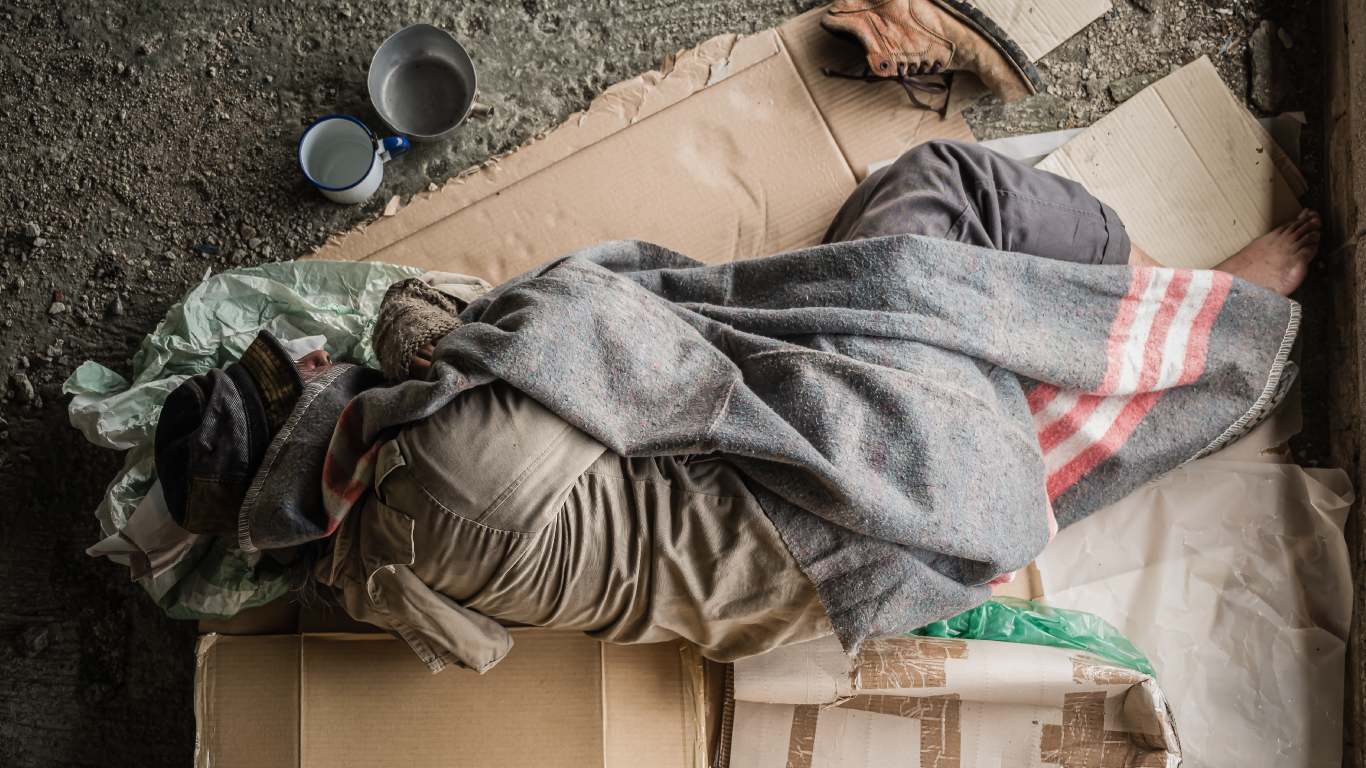
implicating the Co-Ordinating The Use of Space Should Involve Inhabitants of Our Streets

2. Financial Costs: Jails vs. Solutions
Incarceration is expensive. The average annual cost to incarcerate one person in the U.S. exceeds 35,000,whereas providing permanent supportive housing—a proven solution—costs roughly 20,000–$25,000 per person annually. Cities like Houston and Salt Lake City have reduced chronic homelessness by up to 90% through Housing First initiatives, which prioritize housing without preconditions. Taxpayer dollars spent on jails could instead fund housing, mental health services, and job training, generating long-term societal savings.

3. Overburdening the Legal System
Arresting homeless individuals for minor offenses clogs courts and jails, diverting resources from serious crimes. In Los Angeles, for example, homeless individuals are disproportionately cited for low-level violations, straining law enforcement and judicial systems. A 2019 study found that 11% of LA County Jail inmates were homeless, highlighting how incarceration becomes a revolving door for those without stable housing.

4. Public Health and Safety Concerns
Jails are ill-equipped to address the complex needs of homeless populations, particularly those with mental health or substance use disorders. Incarceration often worsens these conditions, leading to higher relapse rates and vulnerability upon release. Conversely, access to healthcare, counseling, and harm reduction programs has proven more effective in improving outcomes. A 2020 study in Health Affairs found that supportive housing reduced emergency room visits by 40% among chronically homeless individuals.

For Many on the streets, the failure of other systems of family and faith lead to the desire for answers - often to solve problems in the economics of identity.

5. The Cycle of Criminalization
A criminal record creates barriers to employment, housing, and benefits, trapping individuals in homelessness. For example, a 2018 report by the National Law Center on Homelessness & Poverty revealed that 70% of U.S. cities ban camping in public, pushing homeless populations into further isolation and legal jeopardy. This punitive approach undermines trust in institutions, discouraging people from seeking help.

6. Alternatives That Work
Successful models emphasize dignity and support:

  • Housing First: Provides immediate housing with wraparound services, showing a 99% retention rate in Denver.
  • Mental Health Courts: Divert individuals to treatment instead of jail, reducing recidivism by 58% (Council of State Governments).
  • Outreach Programs: Cities like San Diego employ teams to connect homeless individuals with services, reducing street homelessness by 14% in two years.

Conclusion
Jailing homeless people is a costly, short-sighted strategy that deepens societal inequities. Compassionate policies addressing root causes—affordable housing, healthcare access, and economic support—offer a sustainable path forward. As a society, we must choose investment over punishment, recognizing that homelessness is not a crime but a systemic failure demanding urgent, humane solutions.

References:

  • United Nations Human Rights Council, “Report on Adequate Housing” (2016)
  • National Alliance to End Homelessness, Cost Studies (2021)
  • Journal of the American Medical Association, “Health Outcomes and Housing First” (2020)
  • U.S. Interagency Council on Homelessness, Housing First Evidence (2023)

Protest in Vancouver, British Columbia Against Residential Tenancy Branch Ruling Involved with Eviction Proceeding of March 31st, 2025

Featured

Originally Published on Vancouver’s City News Website

BC Civil Liberties Association Suing Vancouver Over Daytime Shelter Ban

Featured

Vancouver has been hit with a lawsuit over what human rights advocates call the city’s “cruel, dehumanizing, and deadly” daytime ban on homeless outdoor sheltering. Kier Junos has more.

By Emma Crawford

Posted January 30, 2025 6:34 pm. 

Last Updated January 30, 2025 7:07 pm.

The BC Civil Liberties Association (BCCLA) says it is taking the City of Vancouver to court on behalf of unhoused people affected by a ban on daytime shelters.

Calling the ban “cruel, dehumanizing, and deadly,” the association is challenging the city bylaws that make it illegal for unhoused people to shelter outdoors during the day.

“Unhoused people deserve to have their government treat them with dignity and respect,” the BCCLA said. “Instead, many municipalities choose to enforce bans on daytime sheltering with callous cruelty by forcing people to either carry their belongings around all day or be violently decamped if they try to shelter.”

According to the group, unhoused people in Vancouver are subject to constant harassment, surveillance, and violence. In its enforcement of the ban, the association says, the city engages in daily street sweeps that destroy people’s personal belongings, including tents, sleeping bags, and medications.

Also read:

The city’s website says unhoused people are permitted to set up temporary shelters in parks from dusk to dawn but they must be removed at sunrise “to make parks available to support the health and well-being of the whole community.”

In a statement, the city says it can’t comment on matters before the courts, but confirmed staff will review the legal documentation once it is received.

The liberties association says it is “impossible” for those with physical or mental disabilities to set up and take down their shelter daily and then carry it throughout the day.

Jason Rondeau, one of the plaintiffs, was living on the streets for five years until recently when he got into social housing in the Downtown Eastside.

“For myself, it’s not really affecting me anymore because I am housed now,” Rondeau said.

“But I’ve got a lot of friends out there who are still in the thick of it, and their life is hard. Without the sweeps, their life is already hard.”

Vibert Jack, litigation director for the BCCLA, says the lawsuit will also address city bylaws that govern tents on the sidewalk.

“The courts have said already that these types of bylaws are unenforceable at night because it makes it impossible for people to sleep overnight in shelter,” Jack said.

“Our position is the same logic applies during the day.”

For three years, CRAB Park in Vancouver’s Downtown Eastside was the only place in the city where unhoused people could legally camp in the daytime. This was closed late last year.

Now if you’re an unhoused person and you want to camp overnight in a Vancouver Park, you have to take down your tent every morning at 8 a.m.

In its claim, the BCCLA says the daytime shelter ban violates three separate sections of the Charter of Rights and Freedoms, in that it subjects citizens to “extreme cruelty,” puts peoples’ safety, security, and survival at risk, and threatens equality rights of diverse people, including those with disabilities.

With files from Kier Junos and The Canadian Press.

Originally published on Vancouver City News’ Online site.

Authored By: Emma Crawford

Canada’s New Disability Benefit: A step forward, but is it enough?

Featured

The Canada Disability Benefit (CDB) is set to launch in July 2025 but not much is known about it, yet

(Play Media above to listen to this article)

In July 2025, a new era dawns for Canadians with disabilities. The Canada Disability Benefit (CDB) is set to launch, promising a much-needed financial lifeline for adults aged 18 to 64. It’s a significant shift in how the government approaches disability support, but the devil, as they say, is in the details.

The CDB will offer a maximum annual payment of $2,400 – that’s $200 a month – for the initial period from July 2025 to June 2026. Think of it as a foundational layer, a structured payment designed to ease the crushing financial weight many disabled Canadians carry. It’s a far cry from a silver bullet, however.

——————–

Before the CDB, the landscape was a patchwork quilt of provincial programs and the Canada Pension Plan Disability (CPP-D). While helpful, these existing systems often left individuals struggling.

“It won’t make much of a difference, $200 doesn’t go very far these days,” she adds, “If the government really wants to make a difference in my life and other disabled people they need to turn $200 into $500,” says Rae-Darlene Lavoie, who lives with Multiple Sclerosis and is wheelchair bound.

Many provincial programs are notoriously stingy, imposing restrictive eligibility criteria and offering paltry sums that barely cover the basics. It’s like trying to fill a bathtub with a teaspoon – a Sisyphean task, to say the least.

Amanda MacKenzie, national director of external affairs for March of Dimes Canada, painted a stark picture. She highlighted the pervasive reality of many disabled Canadians living on less than $30,000 annually. This isn’t just a statistic; it’s a reflection of a system that, until now, has fallen short.

The CDB aims for a more equitable, consistent approach, tailoring payments to individual and spousal income. While this is a step in the right direction, critics argue that $200 a month simply isn’t enough to meet the escalating cost of living, especially for those with complex medical needs. The whispers of inadequacy are loud, and advocates are pushing for a substantial increase.

——————–

Service Canada promises detailed application information in Spring 2025. This is good news; clarity is crucial. However, the CDB’s true efficacy hinges on its implementation and the government’s responsiveness to ongoing concerns. Will it alleviate the financial strain, or will it merely offer a palliative, a band-aid on a gaping wound?

The CDB’s arrival coincides with a broader, much-needed conversation about disability rights and financial security. Advocacy groups are pushing for a holistic approach, viewing the CDB as a single piece of a much larger puzzle. They’re clamouring for increased funding for support services, accessible housing, and improved healthcare – all vital components of a truly inclusive society.

The CDB Is both a beacon of hope and a test of the government’s commitment. It’s a starting point, a foundation upon which a more equitable system can be built. But its success depends entirely on continuous dialogue, active listening, and a willingness to adapt and adjust based on the lived experiences of those the benefit is intended to serve.

The journey to true inclusivity is a marathon, not a sprint, and the CDB could mark a significant mile marker, but the race will still be far from over.

Article Originally published by Elliot Lake Today’ Web Site, click here.

Authored by Lisa Rene-de-Cotret, reporter for ElliotLakeToday.com/

Duty to Assist Involves More than Just the Homelessness Sector

Featured

Duty to Assist is a homelessness prevention approach that works upstream and uses a human-rights lens. Originating in Wales, it is also known as the Housing (Wales) Act 2014, which created a legal obligation for local authorities, such as governments, to make reasonable efforts to move individuals out of homelessness or stabilize their housing. 

The fourth session of the Prevention Matters! series was hosted by Stephen Gaetz from the Canadian Observatory on Homelessness and dug into the details of how Duty to Assist works. Gaetz interviewed Peter Mackie of the Centre for Homelessness Impact at the University of Cardiff who was a key player in the implementation and creation of the Housing (Wales) Act 2014. They discussed the implementation of Duty to Assist in the United Kingdom, as well as challenges faced in the process and what Duty to Assist might look like in the Canadian context.

How Does Duty to Assist Work?

Individuals affected by homelessness are eligible for assistance at three stages:

  1. Prevention stage: When an individual is at risk of homelessness, authorities can intervene by trying to address the factors contributing to the risk, such as paying rental arrears or providing a rent subsidy.
  2. Relief stage: After a person’s housing is lost, the authorities can intervene by trying to find them new accommodations.
  3. In the event that both options fail, individuals in priority groups who are covered by previous legislation will have housing secured for them.

Duty to Assist works upstream, meaning that it assists individuals earlier than previous legislation allowed. Those who are at risk of homelessness or have just become homeless can seek out help from local authorities earlier. This allows issues to be addressed in a more timely and cost-effective manner. 

According to Mackie, Duty to Assist has proven to be much more effective in the prevention stage. The intervention can be something as simple as paying off arrears or providing first and last month’s rent, which is a much simpler approach than trying to find brand-new accommodation. 

“If you are already homeless, to take steps to resolve your homelessness, we’re way less successful there because you don’t have the home to try and keep somebody in.” – Peter Mackie

Challenges with Duty to Assist

While the implementation of Duty to Assist is a win for prevention in Wales, the legislation is still riddled with difficulties that go beyond the homelessness sector. As Promise Busulwa, the producer of Prevention Matters! always says in her opening remarks: “The housing crisis cannot be solved by the homelessness sector alone.” Mackie has written articles outlining the need for “…effective universal prevention to be the foundation of any strategy to end homelessness.” Many of the ongoing issues with the Duty to Assist model are the lack of consolidated, systematic care and collaboration between public bodies and other organizations to address the root causes of homelessness. 

“But what we don’t have in the legislation is a requirement that, for instance, a landlord would notify the local authority.” – Peter Mackie

Another challenge noted by Mackie is that people can be hesitant to change. Individuals who are impacted by impending or current homelessness, and who therefore qualify for Duty to Assist, need to be aware of the program itself and request assistance. This has proven to be difficult, especially given that the legislation and the supports offered looked very different prior to the implementation of the Housing (Wales) Act 2014. Prior to the implementation of Duty to Assist, the legislation only provided assistance for families with children and other priority groups. 

Currently, there is a gap as public institutions, like hospitals and prisons, do not call for assistance from local authorities when releasing an individual into homelessness. Mackie also noted push back about the universal nature of Duty to Assist. Many parties involved in the legislative process pushed to maintain the focus on priority groups, clashing against the universal prevention model that applies to everyone experiencing or at risk of homelessness.

Mackie spoke to the difficulties involved in imposing a “duty” on public bodies that had the power to intervene in the creation of an individual’s homelessness situation. Simply put, these parties could not be mandated to provide assistance because “ somebody is going to fail.” Instead, the legislation mandates a ‘best efforts duty.’ A duty to assist means providing assistance to those who willingly consent to receiving help and are, in return, expected to comply with attempts to provide them with assistance.

“In government, there’s often a reluctance to actually use the word ‘must.’” – Peter Mackie

To combat these challenges, Mackie calls for better data sharing and a more person-centred focus when providing services. As the legislation is currently being revised for what has been coined as “Duty to Assist, Mark II,” Wales aims to have these issues addressed and changes implemented, which involves including a more diverse range of voices. While Mackie expresses frustration with the lack of support both financially and from public systems for Duty to Assist, he does acknowledge that it has been very helpful as Wales traverses a housing crisis.

What Does this Mean for Canada?

While Duty to Assist cannot be precisely replicated in Canada because of the lack of infrastructure, Stephen Gaetz noted it is regarded as a fundable homelessness prevention method by the Government of Canada. Mackie also mentioned that the overall principles of Duty to Assist can be implemented without legislation—although they may be less effective without the legislative aspect—on a community or municipal level. While it would be ideal for there to be legislation to hold public bodies to account, Wales has not experienced any high court cases surrounding the Duty to Assist, leading Mackie to believe that the implementation of the Duty to Assist principles without legislation should be possible. 

Mackie recommended implementing Duty to Assist in a community to prove that it works before aiming to scale it upwards, and Gaetz replied this had been in progress before the COVID-19 pandemic. Here’s hoping Duty to Assist gets the chance to prove its value in Canada.

Interested in more diverse perspectives on homelessness prevention? Check out the rest of the Prevention Matters! Series. Want to learn more about Duty to Assist? There is a free, self-paced training on the Homelessness Learning Hub.

Originally published on The World-Wide Web’s Homeless Hub On Monday October 21st, 2024

Author: Rachel Lau

Disclaimer

The analysis and interpretations contained in these blog posts are those of the individual contributors and do not necessarily represent the views of the Canadian Observatory on Homelessness.

Residential School History / Day of Truth and Reconciliation

Featured

For a period of more than 150 years, First Nations, Inuit and Métis Nation children were taken from their families and communities to attend schools which were often located far from their homes. More than 150,000 children attended Indian Residential Schools. Many never returned.

The first church-run Indian Residential School was opened in 1831. By the 1880s, the federal government had adopted an official policy of funding residential schools across Canada. The explicit intent was to separate these children from their families and cultures. In 1920, the Indian Act made attendance at Indian Residential Schools compulsory for Treaty-status children between the ages of 7 and 15.

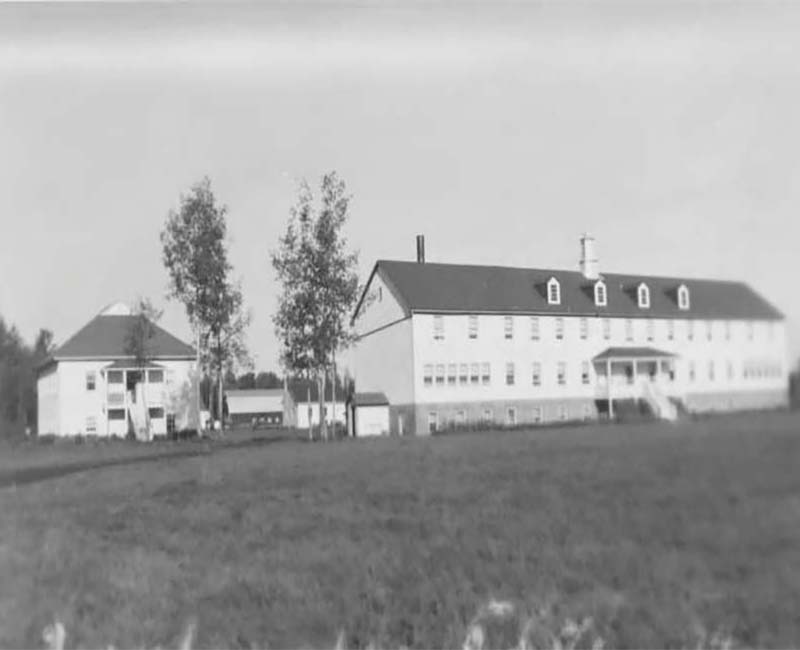
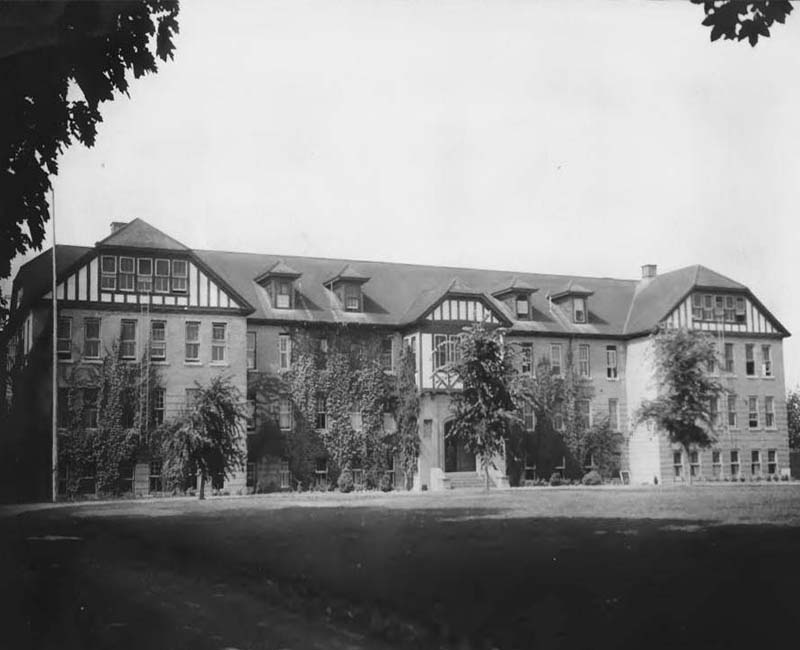
Assumption Hay Lakes school building
Assumption Hay lakes school building

The Truth and Reconciliation Commission of Canada (TRC) concluded that residential schools were “a systematic, government- sponsored attempt to destroy Aboriginal cultures and languages and to assimilate Aboriginal peoples so that they no longer existed as distinct peoples.” The TRC characterized this intent as “cultural genocide.”

The schools were often underfunded and overcrowded. The quality of education was substandard. Children were harshly punished for speaking their own languages. Staff were not held accountable for how they treated the children.

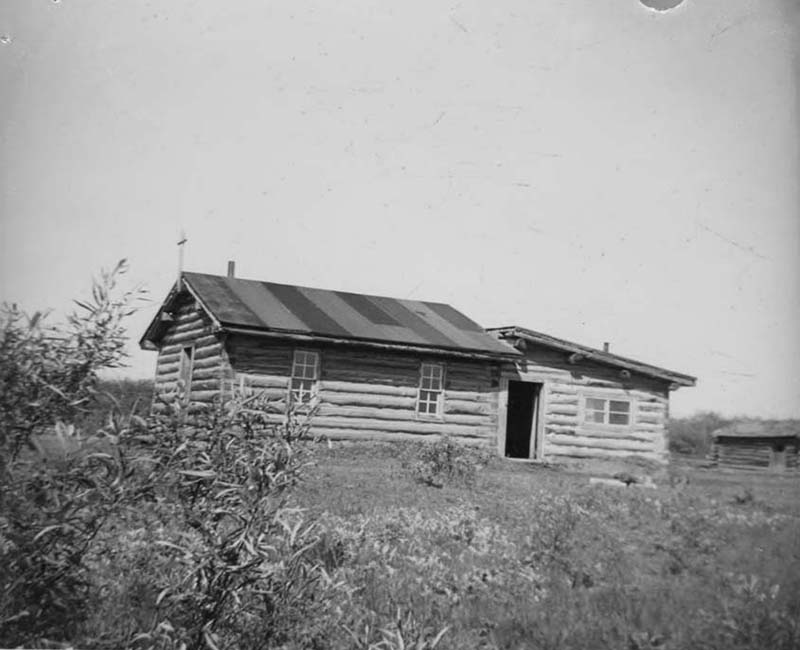
St. Anthony's Sacred Heart building
St. Anthony’s Sacred Heart building
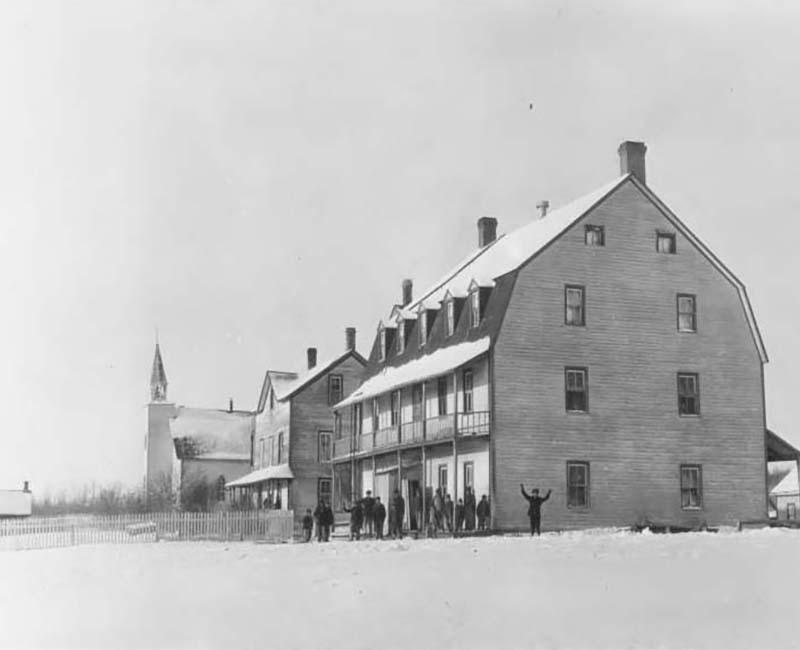
Crowfoot St. Joseph building

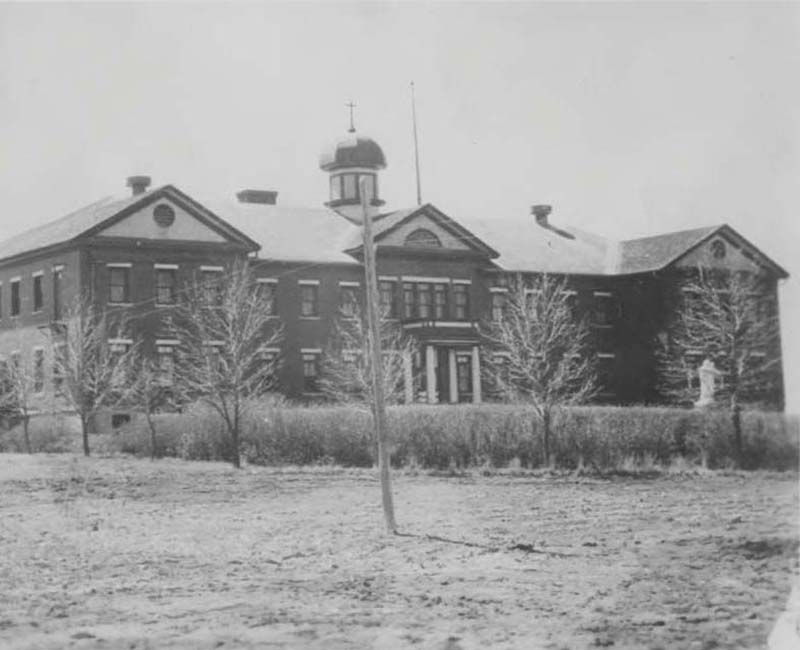
Coqualeetza Chilliwack School building

We know that thousands of students suffered physical and sexual abuse at residential schools. All suffered from loneliness and a longing to be home with their families.

The schools hurt the children. The schools also hurt their families and their communities. Children were deprived of healthy examples of love and respect. The distinct cultures, traditions, languages, and knowledge systems of First Nations, Inuit and Métis peoples were eroded by forced assimilation.

The damages inflicted by Residential Schools continue to this day.

For a great many Survivors, talking about their experiences in residential schools means reliving the traumas they experienced. For years, many told no one about what they had endured.

In 1996, the landmark Royal Commission on Aboriginal Peoples drew attention to the lasting harm that was done by the residential schools. A growing number of Survivors and their descendants came forward to tell their stories and demand action.

Through their courage and persistence, an eventual legal settlement was reached between Survivors, the Assembly of First Nations, Inuit representatives and the defendants, the federal government and the churches responsible for the operation of the school. The Indian Residential Schools Settlement Agreement included:

  •  A commitment to a public apology. On June 11, 2008 then Prime Minister Stephen Harper issued a formal Statement of Apology on behalf of Canada. The Apology stated that, “There is no place in Canada for the attitudes that inspired the Indian residential schools system to ever again prevail.”
  • Financial compensation to Residential School Survivors including a lump sum Common Experience Payment, the Independent Assessment Process for the most serious forms of individual abuse, and a Commemoration Fund.
  • The creation of the Truth and Reconciliation Commission to inform all Canadians about what happened in the Residential Schools by witnessing and documenting the truth of Survivors, families, communities and anyone personally affected by the Schools. The TRC issued an extensive report on the history of residential schools as well as Calls to Action and Principles of Reconciliation.

It is important to acknowledge that the Settlement Agreement was not comprehensive. The Métis Nation Survivors were not part of the Settlement Agreement. A separate settlement was reached with Survivors from Newfoundland and Labrador in 2016. A settlement agreement with Survivors of federal Indian Day Schools was not reached until 2019.

The NCTR is carrying on key aspects of the TRC’s work, including safeguarding and adding to the archive of Survivor statements and other records and building a registry of the thousands of children known to have died in residential schools.

In September 2020, Parks Canada announced that Residential Schools had been designated an event of national historical significance. Such designations mark aspects of Canadian history, whether positive or negative, that have had a lasting impact on shaping Canadian society.

The Canadian Parliament passed legislation, Bill C-5, to create a national day of commemoration to honour residential school Survivors and promote understanding of residential school history. The TRC called for such commemoration in its Calls to Action (Call to Action 80). The first National Day for Truth and Reconciliation took place September 30, 2021.

Article Originally in Print online:

https://nctr.ca/education/teaching-resources/residential-school-history/

Reference care of Homeless Hub which also employs a explanatory video:

Homelessness: How does it happen?

Featured

Having a safe and stable place to call home is central to leading a healthy and prosperous life. In 2021, we asked Canadian households if they had ever experienced some form of homelessness in their lifetime. Over one in ten (11.2%) Canadians or 1,690,000 people reported that they had.

Homelessness is often thought of as living in a shelter, or completely unhoused in an encampment or public space. This kind of homelessness in Canada is referred to as absolute homelessness, an experience shared by 2.2% of households at some point in their lives. There are, however, many more Canadians (10.5%) who have experienced hidden homelessness, like couch surfing, because they had nowhere else to live.

Inequities and pathways of homelessness

This lack of stable housing can result in disparities between groups of people, with some more or less likely to have faced homelessness than others. For example, Indigenous households (29.5%) were almost three times as likely to have experienced some form of homelessness when compared with the total population, while racialized (9.5%) and immigrant (8.3%) households were below the national average. Similarly, recent point-in-time counts of homeless shelters nation-wide have found that 35% of respondents identify as Indigenous.

What drives people into homelessness in Canada and why have so many Canadians found themselves without a home? We asked Canadians to tell us what happened leading up to their homelessness episode, and for those who experienced hidden homelessness, we asked those who had been homeless for more than a month. Here’s what they told us…

Financial challenges are the leading cause of homelessness

Deteriorating housing affordability following the onset of the pandemic, combined with higher unemployment and fewer job vacancies in recent months, along with a surge in inflation throughout 2021 and 2022, has led to higher costs for essential goods and services. These factors continue to place financial pressures on many households across Canada.

In the fall of 2022, almost half (44.0%) of Canadians were very concerned with their household’s ability to afford housing or rent. So, it comes as no surprise that the most reported reason leading to homelessness was financial issues (41.8%).

Victims of abuse may have nowhere to go

The link between abusive home situations and homelessness is an ongoing concern as the incidence of  family violence in Canada rose for the fifth consecutive year in 2021, with women and girls accounting for two-thirds of the victims.

Relationship issues (36.9%) was the second leading factor driving Canadians into homelessness. A related driver was fleeing abuse (13.3%)—a common pathway into homelessness for many, but four times more likely for women than for men (20.9% vs 5.2%).

When looking at absolute homelessness exclusively, these figures double—with just over two in five women (40.4%) reporting absolute homelessness at some point as a result of fleeing abuse, compared with 12.1% of men.

Health issues can interrupt housing stability

While financial and relationship issues are the most common causes of homelessness, health-related issues can also lead to homelessness episodes.

Canadians who have experienced any form of homelessness were more likely to report fair or poor mental health (38.0% versus 17.3%) than the overall population. More respondents listed health issues as a major factor contributing to absolute homelessness (16.5%) than to hidden homelessness (8.9%).

Canadians experiencing homelessness and underlying mental health conditions have also been highly represented in recent opioid hospitalizations.

Moving doesn’t always lead to finding a home

Canadians move for a variety of reasons, including changing household size, employment, better housing or neighbourhoods, and evictions, leading to many diverse experiences of hidden homelessness.

Other notable drivers of hidden homelessness are relocation (20.9%) and waiting to move into a new home (16.0%). Over one in three households relocating at some point in the past reported waiting over six months in a state of hidden homelessness.

Becoming housed may not be the end of housing need

Households experiencing homelessness in the past were more likely to be living in dwellings in need of major repairs or in core housing need. No matter how someone becomes homeless, housing (or the lack thereof) has been shown to have a significant effect on one’s future—for better or for worse.

Originally Published on a Federal Canadian Site; StatsCan December 06th, 2023

Prison: A Homelessness Factory

Featured

by C.L. Michel

Cultivating Curiosity 

Talking about prison is taboo—Canadian society deals with it far less than is common in other jurisdictions (eg., the United States). Most people in Canada don’t know anything about how the prison system works or what conditions in it are like if they or a loved one haven’t experienced it. 

One reason for this is that prison produces silence. The voices of prisoners are cut off from the world, and what happens inside prisons only makes the news in the most extreme cases. This lack of attention is problematic because the prison system is central to how many different forms of oppression reproduce themselves. For instance, it maintains class society and economic exploitation. It is a tool of racist and colonial violence that keeps whole communities down, and it produces gendered forms of trauma on a mass scale.  

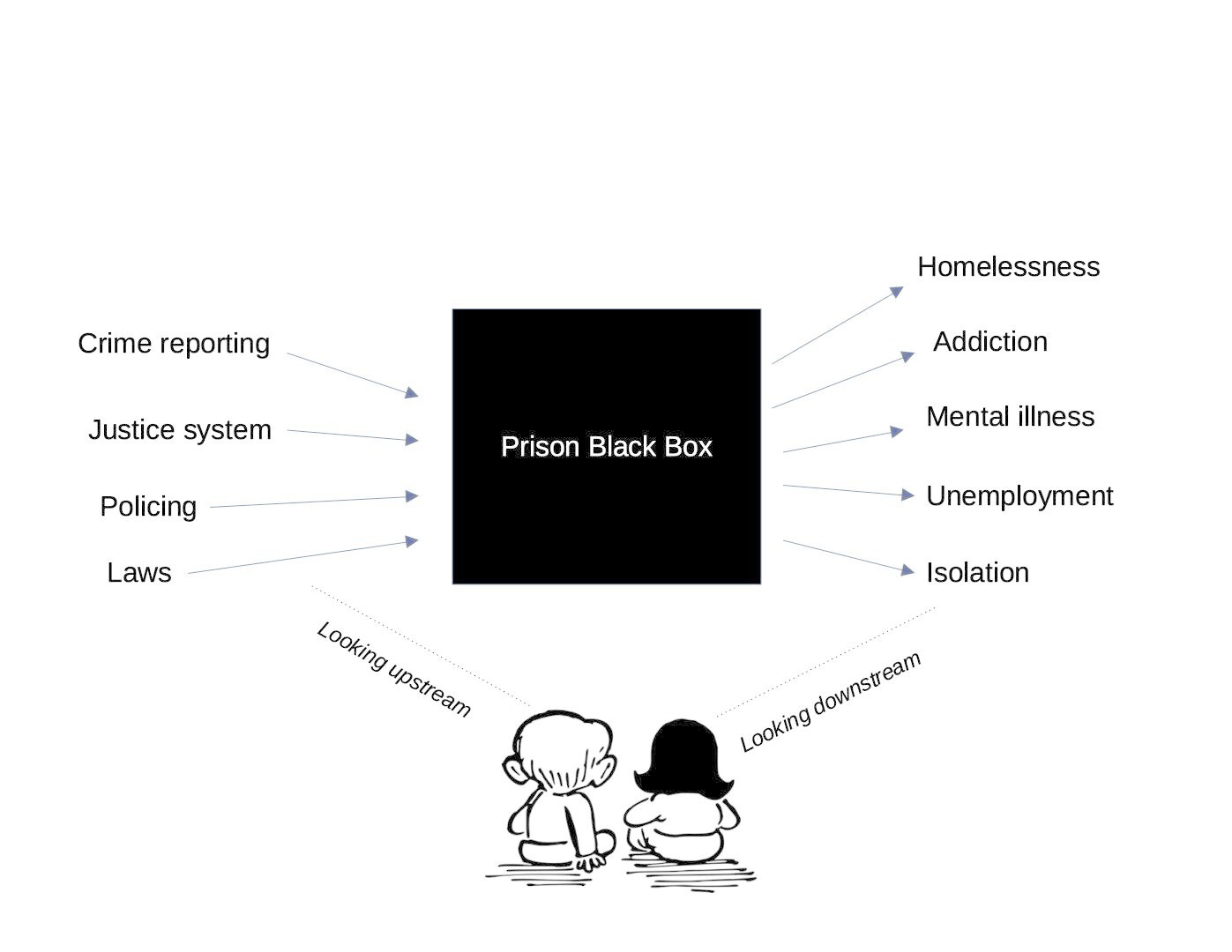
Prison functions like a black box. We can see what happens prior to entering the prison system in terms of crime, policing, and the justice system, and we can see the negative outcomes of the prison system once people leave, such as poverty, homelessness, and social exclusion, but the space in between is opaque—we can’t see the conditions inside prisons that produce these outcomes. 

If we want to find solutions to complex problems like homelessness, we need to cultivate some curiosity about people’s experiences with systems we might not normally think about, like prison. 

Types of Prisons in Canada 

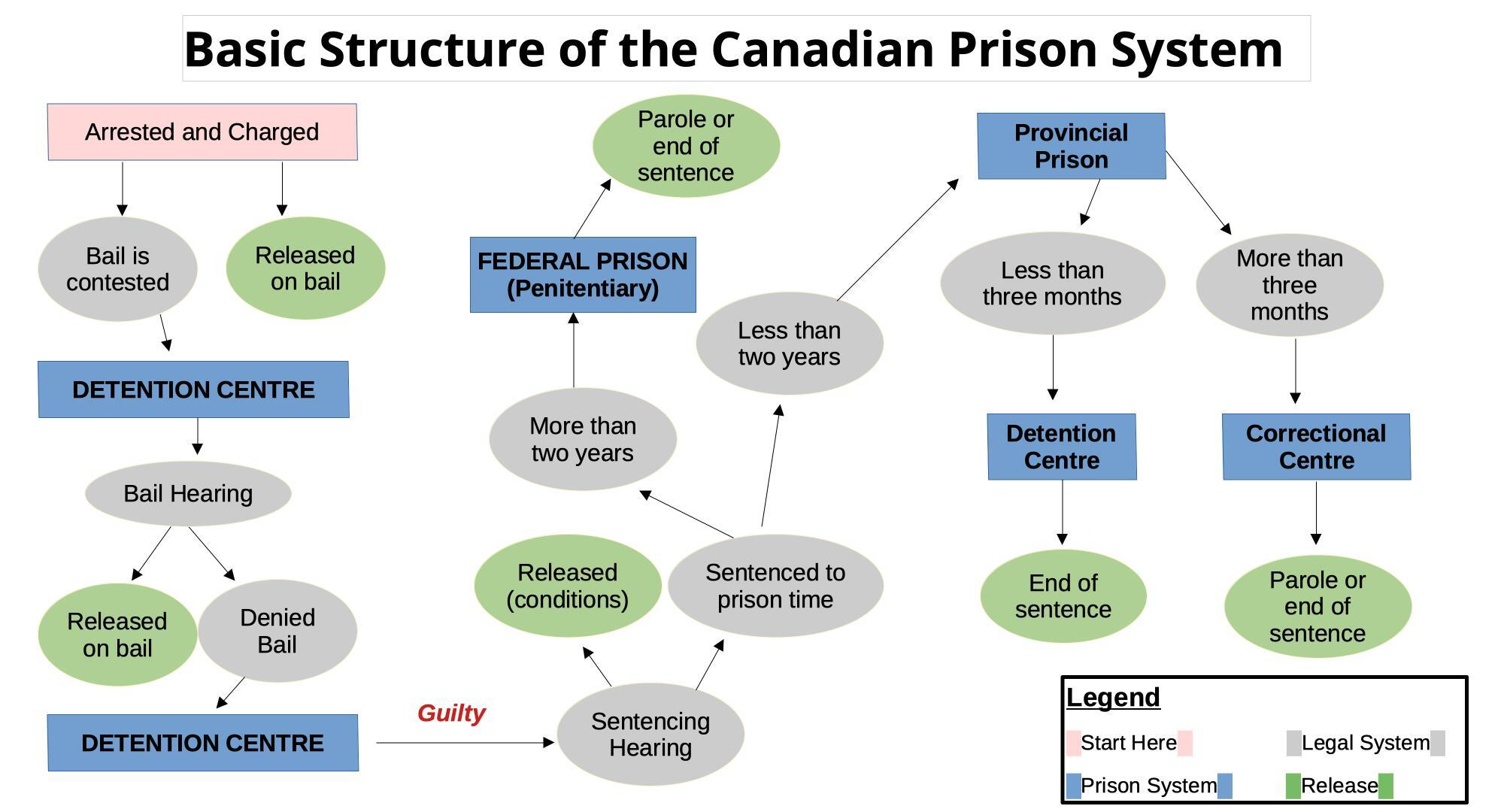
The various prisons in Canada are separated into two types: federal and provincial. Federal prisons, also known as penitentiaries, are where prisoners who are sentenced to over two years are sent. Although only about a third of all prisoners are in federal prison, it is what people think of on the rare occasions that they think about prison in Canada. 

The remaining two thirds of prisoners are in provincial prisons. People sentenced to less than two years, those who have been denied bail, and an increasing number of immigration detainees are in provincial prisons. All federal prisoners have also spent time in a provincial prison, and the majority of prisoners will do all their time there. Despite this, they receive far less attention than federal prisons. In provincial prisons there is less programming, less oversight, and fewer organizations that provide support. The conditions inside these prisons are far, far worse. 

In Ontario, the Ministry of the Solicitor General operates 25 adult prisons that hold around 7,500 prisoners on any given day, with an average period of incarceration of 45 days (almost 150,000 people are admitted into provincial prisons across Canada in any given year).  

Many provinces subdivide provincial prisons into other administrative categories. For the purpose of this blog, we will be focusing on adult prisons in Ontario, but there are also youth prisons and mental health prisons. There are two kinds of adult provincial prisons in Ontario: detention centres (DCs), for those who have been denied bail or sentenced to less than three months, and correctional centres, for those who have been sentenced to between three months and two years.  

In many provinces (eg., Ontario, Alberta, and Nova Scotia), about 70% of prisoners in provincial prisons are on “remand,” meaning they are only locked up because they were denied bail. This means that about half of all prisoners in Canada are on remand. This is a significantly higher proportion than in the United States, and it has been getting worse with time.  

Since most of Canada’s prisoners are in remand, the conditions they face are crucial to understanding the prison system as a whole and the way it contributes to homelessness.  

Conditions for Remand Prisoners in Ontario 

Prisoners who have been denied bail are held in the harshest conditions in the prison system. All of Ontario’s DCs are considered maximum security, meaning they face the most restrictions on their movements, what they can have access to, and possibilities for programming.  

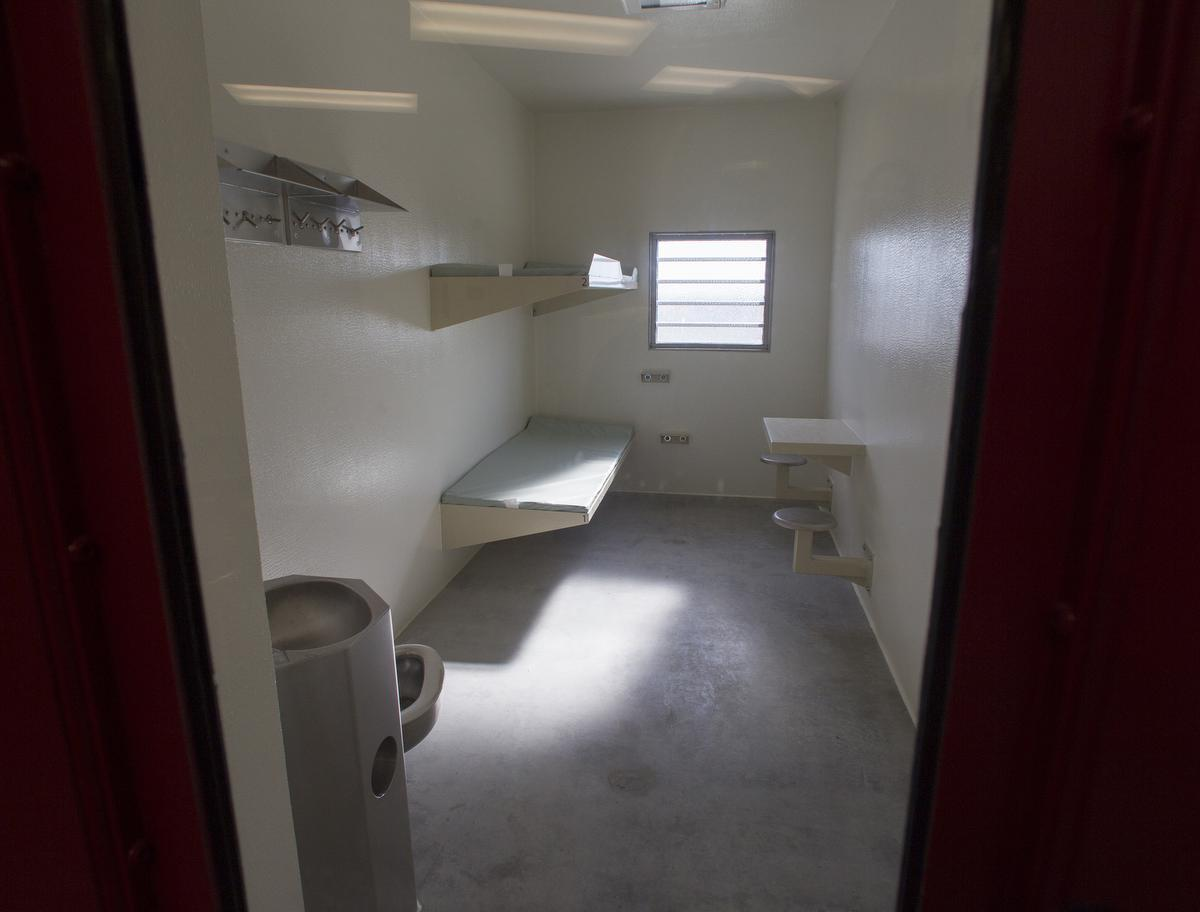
Detention centres are very crowded. Cells built for one or two prisoners routinely hold three, with one person sleeping on a mattress on the floor. There are frequent lockdowns, which is when prisoners are confined to their cells except for half an hour every second day. Combine these two factors and you have three prisoners held together in a space the size of a bathroom stall for days at a time without even enough room to stand up and move around. This obviously aggravates physical and mental health conditions.  

There are almost no programs in DCs, and there is very limited access to books. Visits are short (two 20-minute visits a week) and are frequently cancelled without notice. Although prisoners are entitled to 20 minutes of fresh air every day, they may only get “yard time” a couple of times a month.  

Detention centres are also very violent. Since everyone in a DC is in pre-trial and the average stay is short, there is a high turnover with lots of coming and going, making hierarchies unstable. The needs of those living in a DC for short periods may conflict with those of prisoners there for years, and the overcrowded conditions with no privacy result in high stress levels.  

Guards are also able to brutalize prisoners with near impunity. While a report from the Ontario ombudsman denounced the use of force by guards and the guards’ code of silence that interferes with investigations, this report was not enough to stop this violence from continuing. 

When you add in the overdose crisis and an inadequate medical system to the previously mentioned factors, the result is that 29 people died inside of Ontario’s provincial prisons in 2021. From previous years’ statistics compiled by Reuters, 85% of all deaths in Ontario’s provincial prison are people in remand custody, meaning those in detention centres are dying at a disproportionate rate.  

Although prison harms everyone it touches, it does not do this in the same way to everyone. Prison functions on the basis of separation, firstly by cutting people off from society, then by sorting them to expose them to different forms of harm. The administrative differences described above are one way of sorting people. Another important way the prison system does this is by gender or sex. 

Gendered Harm

All prisoners are labelled as either male or female depending on the institution’s best guess of their sex at birth, and so there are two gendered forms of incarceration known as men’s and women’s prison. There is a lot to say about how the Ontario prison system deals with trans identity, but for the purposes of this blog, it is enough to know that almost all trans people go to women’s prison. Women’s prison can be thought of as a prison for people who would be at risk of sexual violence if all prisoners were just lumped together. 

Officially, there should be little difference between men’s and women’s prisons, and the conditions are generally the same. However, it is worth reflecting on how identical treatment within an unequal society produces drastically different results.  

To give a quick example, the food in men and women’s prison is exactly the same. In men’s prison, this is mostly felt to be insufficient, in part because working out is a big part of prisoner culture. Men prisoners are often released stronger and fitter than when they went in. In women’s prisons, exercise is discouraged both by prisoner culture and by the guards. Women prisoners often experience rapid weight gain and a general decrease in fitness due to the enforced immobility. 

In this example and in so many others, sorting people by gender means the prison system is involved in reproducing negative gender dynamics. Many conditions faced by women prisoners compound common forms of gender-based trauma, such as: 

  • Frequent strip searches 
  • Round the clock surveillance by male guards 
  • The absence of privacy 
  • Losing custody over children  
  • Losing housing 

After release, feminized professions tend to care more about criminal records than many male-dominated ones: consider customer service vs. construction or childcare vs. trucking. This results in women experiencing more exclusion from the job market upon release, contributing to cycles of dependence and victimization. 

Similarly, the intense violence of men’s prison is tied to a macho prisoner culture steeped in homophobia and misogyny. This culture is then exported back out into communities by former prisoners. Both gendered experiences leave people more likely to commit future criminalized acts and end up back in prison.  

Why Does this Matter to the Homelessness Sector? 

The prison and justice systems leave a lot of people homeless and undermine the housing stability of everyone who interacts with them. Prisons also compound problems with physical and mental health, addiction, and trauma (common risk factors for homelessness). Even short stays in prison can be enough to make someone lose their job and housing, making it a clear issue for the homelessness sector. As well, people who are homeless are disproportionately represented in prison—across Canada, over 16% of prisoners are homeless, up from 6% in 2009.  

There are also major issues of social justice around prison that can only be addressed when we understand how people move through the system and what conditions they face. The awful conditions in provincial prisons amplify other forms of systemic oppression. For instance, it is nothing new to say that Black and Indigenous people are disproportionately represented among prisoners—but it feels different to say that Black and Indigenous people are more likely to be held in an overcrowded prison cell with no privacy or room to move around for weeks at a time.  

The experiences of prisoners are not well understood within the homelessness sector, which can create barriers to accessing services. There are very few services available that specifically help people being discharged from prison, leaving them to seek out services that are not tailored to their needs.  

By looking more closely at what prisoners go through inside the black box, we can work towards better outcomes for them and remove some of the added barriers they face to obtaining safe, stable, and affordable housing. 

Originally Published @ Homeless Hub

October 11th, 2023