New cancer treatment with fewer side effects to be trialled in UK

Featured

Up to 280 patients from seven countries will be recruited globally for the trial

Jane Kirby | Originally Published on The United Kingdom’s “Independent” Newspaper 2025

Saturday 06 December 2025 00:01 GMT

A groundbreaking trial for a prostate cancer treatment with fewer side effects has launched in the UK.

Backed by the Government-funded National Institute for Health and Care Research (NIHR), the trial will examine whether Aquablation – a therapy using robotics, AI and real-time imaging – works as well or better than traditional surgery, known as radical prostatectomy.

Radical prostatectomy involves removing the entire prostate gland in a bid to cure men of prostate cancer. The treatment is suitable for men whose cancer has not spread outside of the prostate gland or has spread to the area just outside the gland.

However, the operation carries a risk of serious side-effects, such as infection, erectile dysfunction and urinary problems.

Researchers hope Aquablation will minimise these issues.

The therapy is currently used in some centres to treat benign prostatic hyperplasia (BPH).

The treatment is suitable for men whose cancer has not spread outside of the prostate gland
The treatment is suitable for men whose cancer has not spread outside of the prostate gland (Getty/iStock)

Aquablation involves a robotic-assisted, high-pressure waterjet. Surgeons can also map the entire prostate in real time with ultrasound.

Using the technique, medics find cancerous tissue to remove while avoiding surrounding nerves and muscles associated with erectile function and the bladder.

The Royal Marsden NHS Foundation Trust in London is the first hospital in Europe to recruit a patient to the trial, which is being run in seven countries.

Overall, 280 patients will be recruited globally, all with early-stage, localised prostate cancer who have already decided to have surgery.

Philip Charlesworth, consultant urological surgeon at the Royal Marsden, said: “For men with prostate cancer confined to the prostate, curative options are excellent, however, we are becoming increasingly focused on the side-effects of the cancer treatment and how we can embrace new technology to maintain a man’s quality-of-life following their surgery.

“This trial is measuring Aquablation therapy, which uses a robotic approach to surgically remove the cancer, and to preserve a man’s ability to remain continent and maintain sexual activity.

“The potential for this trial is very exciting. It has an opportunity, depending on the results of the study, to add an alternative surgical treatment option for patients with localised prostate cancer across the globe.

“The ultimate aim, and my passion, is to improve prostate cancer treatments so that they cause less harm and are less invasive for the patient.

“I feel that this is an incredibly exciting prospect for the future of prostate cancer care.”

The Royal Marsden NHS Foundation Trust in London is the first hospital in Europe to recruit a patient to the trial
The Royal Marsden NHS Foundation Trust in London is the first hospital in Europe to recruit a patient to the trial (Getty)

Other potential treatments for localised prostate cancer include active surveillance or monitoring of the cancer and radiation.

The new trial is sponsored by the US company, Procept BioRobotics.

To date, there are more than 25 centres globally recruiting patients for the trial.

The four UK centres are the Royal Marsden, Guy’s and St Thomas’ NHS Foundation Trust, the Royal Free London NHS Foundation Trust and Norfolk and Norwich University Hospitals NHS Foundation Trust.

The trial comes after Health Secretary Wes Streeting said earlier this week he was “surprised” by the decision from scientific advisers to limit prostate cancer screening.

In a draft recommendation, the UK National Screening Committee (UKNSC), which advises the Government, said prostate cancer screening should not be made routinely available for the vast majority of men in the UK.

It said it would not recommend population screening using the prostate-specific antigen (PSA) test because it “is likely to cause more harm than good”.

Experts are expecting data within two years from a large trial launched by Prostate Cancer UK into whether combining PSA with other tests, such as rapid MRI scans, could lead to a recommendation for population-wide screening.

For now, the committee will put forward only a recommendation to screen men with BRCA1 and BRCA2 genetic mutations – which puts them at far higher risk of prostate cancer – every two years, between the ages of 45 and 61.

Main symptoms of prostate cancer

Prostate cancer usually starts to grow on the outer part of the prostate. If this happens, it can cause changes to the way you pee, such as:

  • finding it difficult to start peeing or straining to pee
  • having a weak flow of urine
  • “stop start” peeing
  • needing to pee urgently or often, or both
  • feeling like you still need to pee when you’ve just finished
  • peeing during the night

Other symptoms can include:

  • erectile dysfunction (being unable to get or keep an erection)
  • blood in your urine or blood in your semen
  • lower back pain and losing weight without trying to (these may be symptoms of advanced prostate cancer)

Speaking on Wednesday on BBC Breakfast, Mr Streeting said he was surprised by the decision.

He said: “I’m looking very carefully at why the national screening committee reached that decision.

“I’ve always said these things have got to be based on science and evidence, not on politics.

“But the recommendation did surprise me.

“This is contested. I’ve got people in the prostate cancer community and not just really prominent patients and celebrities and politicians who’ve used their experience and their voice in this debate, but among scientists and researchers.

“This is a draft recommendation. They consult on this for three months, and then we have to make a final decision.

“What I’m going to do is get some of those leading, best scientific voices and competing opinions around the table to thrash this out, to really interrogate the data and make sure that when I come on your programme having made a decision, it’s the right decision for the right reasons, the best evidence and the public can then understand why we’ve made the decision and the scientific community can understand why we’ve made the decision.

“But I am interrogating this data and recommendation because it did surprise me.”

Many experts argue that the PSA test is not very reliable because men with a high PSA level may not have cancer, and some men with cancer have a normal PSA result.

A positive test result may lead to unnecessary treatment for slow-growing or harmless tumours, leaving men at risk of side effects such as incontinence and erectile dysfunction.

But others argue that current evidence supports wider testing.

The Crisis of Dental Care Affordability in North America: A Tale of Two Nations

Featured

Dental care remains a critical yet often overlooked component of overall health, with millions in Canada and the United States unable to afford basic services. For low-income individuals, the high cost of dental care exacerbates health inequities, perpetuates cycles of poverty, and strains public health systems. This article examines the systemic barriers to affordable oral health care in both countries, highlighting policy gaps, socioeconomic disparities, and the human toll of unmet dental needs.

The Canadian Context: Progress and Persistent Gaps

In Canada, approximately one-third of residents lack dental insurance, and one in four avoid dental visits due to cost, often leading to preventable complications like infections, cardiovascular issues, and diabetes-related problems. Recognizing this crisis, the federal government launched the Canadian Dental Care Plan (CDCP) in 2023, targeting uninsured households earning under 90,000 its phased rollout has left gaps. For example, adults aged 18–64 must wait until 2025 to apply, prolonging financial strain for many.

Despite these efforts, challenges persist. The CDCP’s “payer of last resort” model does not fully address accessibility barriers, such as rural “dental deserts” or provider shortages in marginalized communities. Additionally, Canada’s reliance on employer-sponsored insurance—covering 76% of insured individuals—leaves low-income workers, gig economy employees, and Indigenous populations disproportionately uninsured.

The U.S. Crisis: A Landscape of Inequity

In the U.S., over 76.5 million Americans lack dental insurance, with disparities starkly divided along racial and economic lines 5. Black and Hispanic adults are 68% and 52% more likely, respectively, to have unmet dental needs compared to white Americans, while rural residents face severe provider shortages—Alaska, Montana, and North Dakota have the highest rates of “dental deserts”. Medicaid, the primary safety net, often limits adult coverage to emergency extractions, leaving preventive care inaccessible. Even insured individuals face high deductibles and annual caps, forcing many to delay treatment until crises arise.

The consequences are dire. Poor oral health contributes to lost productivity (4.15 million workdays missed annually) and unnecessary emergency room visits, costing the U.S. healthcare system $1.8 billion in 2017 alone. Vulnerable groups, including veterans and low-income families, endure higher rates of periodontal disease and tooth loss, further entrenching health inequities.

Structural Barriers and Systemic Failures

Both nations grapple with systemic issues that compound affordability challenges:

  1. Geographic Disparities: Rural areas in the U.S. and Canada suffer from dentist shortages, with rural Canada relying on fly-in clinics and the U.S. facing a ratio of one dentist per 3,850 rural residents.
  2. Racial and Economic Inequities: Marginalized communities, including immigrants and people of color, face discrimination, language barriers, and limited access to culturally competent care.
  3. Policy Limitations: Canada’s CDCP excludes those with employer insurance, while the U.S. lacks a federal dental program, relying on fragmented state-level Medicaid policies.

Toward Equitable Solutions

Addressing this crisis requires bold policy reforms. Canada’s CDCP, though imperfect, represents a step toward universal coverage, but advocates argue for a federally funded agency to standardize care and close gaps. In the U.S., expanding Medicaid dental benefits and incentivizing providers to work in underserved areas could mitigate disparities. Both nations must prioritize integrating oral health into primary care and addressing social determinants like poverty and education.

Conclusion

The unaffordability of dental care in North America is not merely a health issue but a moral failing. While Canada’s CDCP offers hope, its success hinges on addressing accessibility and inclusivity. In the U.S., systemic overhaul is urgently needed to ensure oral health is treated as a fundamental right. Until then, millions will continue to suffer needlessly, their pain a testament to the enduring divide between privilege and poverty.

The Disparity in Dental Care Between the Rich and the Poor

Featured

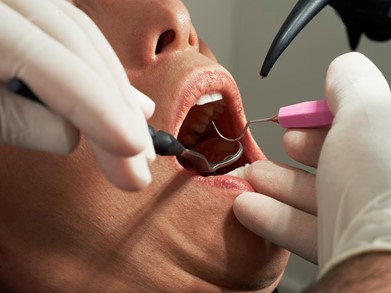
A person receiving dental care
Disparity in dental care

Proper dental care is essential to living a healthy life. However, there’s a greater chance for people from low-income backgrounds to have greater dental health problems than those from affluent families. Here’s a quick analysis of the disparity in dental care between the rich and the poor.

The Gravity of the Situation

A greater percentage of people from deprived backgrounds have been hospitalized because they needed dental care than those who were better off financially. However, many people from low-income backgrounds struggled to receive the care they needed because 35% of low-income parents and 38% of low-income adults without children did not have health insurance in 2013.

What makes this situation worse is that dental care treatment in the hospital is about 10 times more expensive (even with Medicaid enrollees) than preventative dental care at a dentist’s office. Furthermore, Medicaid doesn’t cover preventative costs. Thus, enrollees have to rely on ER care at the hospital when their conditions worsen.

The Effects of Lack of Dental Care for the Poor

Receiving proper dental care is vital because it affects the patient’s and physical health as well. A lack of proper dental care can contribute to various chronic illnesses that may pertain to cardiovascular disease, pregnancy complications, respiratory infection, and so on.

Regular dental check-ups, cleanings, and prompt treatment of any oral issues are essential for mitigating these risks and ensuring optimal health outcomes. One often overlooked aspect of oral health is the condition of the tongue. A yellow tongue, for instance, can be indicative of various underlying issues, ranging from poor oral hygiene to more serious health concerns. Monitoring the color and appearance of the tongue during routine dental visits can provide valuable insights into a patient’s overall health status.

In addition to physical health ramifications, there are mental health concerns, such as a correlation between decaying or missing teeth and depression. This is also the case because missing teeth can result in increased self-consciousness and societal scrutiny.  So, it makes it more challenging for people from low-income backgrounds to thrive within society.

Lack of proper dental care for people from low-income backgrounds also causes them to struggle with its effects on their employment opportunities. Poor dental care causes patients to experience discrimination in the job market. Thus, there’s a cycle in which disparity in dental care between the rich and the poor causes the latter to continue struggling to receive better dental care because they can’t afford insurance.

Exclusive Boggles Brown T-Shirts Online

Featured

Browse and bedazzle when you wear the words of our talkative transient.

Greetings Readers,

Now, like never before, we have been waiting for a marketing breakthrough to gain that glimmer of interactivity on it’s way to your wardrobe. This time, we hired Social Media Management Company UK to help us in our branding and marketing our new product. It’s here – Boggles Brown multi-colour T-Shirts where you get to write the dialogue for our lovable but lunatic street-sage.

https://www.slated.com/films/736655

Drop by and donate to give the My Name Is Brad docudrama the funding it needs and order a Boggles Brown exclusive hand drawn T-Shirt by local artist Brad James.

Stay Safe and Think of B. Brown When You’re Feeling Down.

– The Crew At The Urban Survivor and My Name Is Brad