What Causes Homelessness ?

Featured

People who experience homelessness are not distinct and separate from the rest of the population. In fact, the line between being housed and unhoused is quite fluid. In general, the pathways into and out of homelessness are neither linear nor uniform. Individuals and families who experience homelessness may not share much in common with each other, aside from the fact that they are extremely vulnerable, and lack adequate housing and income and the necessary supports to ensure they stay housed. The causes of homelessness reflect an intricate interplay between structural factors, systems failures and individual circumstances. Homelessness is usually the result of the cumulative impact of a number of factors, rather than a single cause.
Structural factors

Structural factors are economic and societal issues that affect opportunities and social environments for individuals. Key factors can include the lack of adequate income, access to affordable housing and health supports and/or the experience of discrimination. Shifts in the economy both nationally and locally can create challenges for people to earn an adequate income, pay for food and for housing.

Poverty

Homelessness and poverty are inextricably linked. People who are impoverished are frequently unable to pay for necessities such as housing, food, childcare, health care, and education. Poverty can mean a person is one illness, one accident, or one paycheque away from living on the streets.

Housing

A critical shortage of housing that is affordable, safe and stable directly contributes to homelessness. The millions of Canadian families and individuals living in “core need” (paying more than 50% of their income on housing) are at serious risk of homelessness, as are families and individuals spending more than 30% of their income on housing. Arguably, the most impactful factor is the lack of affordable housing nationwide; however, discrimination can impede access to employment, housing, justice and helpful services. Racial and sexual minorities are at greater risk of such discrimination.

System failures

Systems failures occur when other systems of care and support fail, requiring vulnerable people to turn to the homelessness sector, when other mainstream services could have prevented this need. Examples of systems failures include difficult transitions from child welfareinadequate discharge planning for people leaving hospitalscorrections and mental health and addictions facilities and a lack of support for immigrants and refugees.

Personal circumstances and relational problems

Individual and relational factors apply to the personal circumstances of a person experiencing homelessness, and may include: traumatic events (e.g. house fire or job loss), personal crisis (e.g. family break-up or domestic violence), mental health and addictions challenges (including brain injury and fetal alcohol syndrome), which can be both a cause and consequence of homelessness and physical health problems or disabilities. Relational problems can include family violence and abuse, and addictions, so looking for rehab centers is important, click here to learn more.

published by the homeless hub http://www.homelesshub.ca
Employment Apps ( The New Gig Work )

Featured

If you go to the Google Play store and search for employment gig applications, you’ll see an ever increasing number of them. So, being the Urban Survivor that we are, we tried them out in a real world test situation, that and we needed money which in case they are a viable option.

There’s quite a list , and they do work, but there is work and then there’s the quality of work. Life is so quick and fast now, you miss one paycheck and you’re out on the street, so you do what you have to… you serve the devil to pay the priest ( which makes no sense ).

The gig apps all vary in “realness”. We got a few job referrals and chased down two or so. We also work with a few real world temp agencies ( work is work ) the applications are cool, except you need that human contact which some if not most of the apps do have.

They figured that out ( there’s got to be a human on the other end to empathize ) if not, there’s no sense of commitment or loyalty. i.e. If I don’t go to a job booked through an app without the human contact element there’s no ” I must fulfill an obligation ” component. The human element we’re becoming so unused to.

We found that most of them don’t really have a lot to offer, and are unforgiving if you miss a booking. One charges a 3+ dollar fee to pay you as per their own t.o.s . It is “new” these temp employment agency apps. How will they do? One has already run afoul of the immigration folk in Canada.

Things have not changed all that much as far as the worker is concerned.

The apps serve their purpose but are vulnerable to abuse, first the information you send them about yourself, your social security number etcetera, companies not located in N. America are collecting this information from consumers, who submit it without a thought.

We have to work, one way or another it’s what kind of work? you do that will dictate how happy you are in your life.

Mexican Border Burns


TIJUANA, Mexico (AP) — The Mexican border cities of Tijuana, Mexicali, Rosarito and Ensenada were hit by gang violence that included vehicles being set ablaze and road blockades. The U.S. Consulate in Tijuana instructed its employees “to shelter in place until further notice” around midnight because of the violence. It was the third time this week Mexican cities have seen widespread arson and shootings by cartels. Ten vehicles were set ablaze in Tijuana, and Mayor Montserrat Caballero blamed it on disputes between drug gangs. Caballero issued an appeal to drug cartels, saying “settle your debts with those who didn’t pay what they owe, not with families and hard working citizens.”

Trumps Folly Wall

Copyright 2022 The Associated Press. All rights reserved. This material may not be published, broadcast, rewritten or redistributed without permission.

Should The Poor Procreate?

Featured

Should The Poor Procreate?

Nearly three quarters of all people in poverty are parents, and more than 40 percent of children live below the poverty line in families where at least one parent works full-time, year-round. Poverty also has significant consequences for child development, not to mention education and health statutory results throughout the life cycle of a child.

Given these findings, there’s been an ongoing discussion on whether or not families living in poverty should have children. The question has been posed numerous times with no definitive answer; however, there are solid arguments both for and against the idea of procreation among the poor.

Is it right to have kids when you are poor?
A common question among parents is can we afford to have kids? Well, a new study says if you’re poor it may not be right to have kids. Research suggests children born into low-income families are more likely to stay in low-income families, creating what experts call an intergenerational cycle of poverty. So having children when you are poor may not be right after all.


People who procreate have a responsibility to ensure that their children will never be poor. If they can’t do that, they shouldn’t make the poor decision of bringing more people into poverty. This logic has merit and deserves consideration; however, there are solid arguments both for and against the idea of procreation among the poor. There are many moral questions that should be asked when deciding if it is acceptable to create a child in poverty.

Does it matter how many kids a person has if they are poor?
That depends on who you ask. Most people would say, yes, it does matter if a person is poor and has kids. Someone who can barely feed their own kids let alone buy them clothes or get them medical attention is not fit to raise children. If there are already too many impoverished people in society, having more kids will only make things worse.

Hello, Happy New Year !

The year began with numerous challenges, including the loss of several notable celebrities and countless others whose names we may not know. As we reflect on their passing, we acknowledge their departure with a heartfelt “rest in peace.” They have moved beyond this mortal realm to a higher plane of existence, where the physical sensations and struggles that burden the human mind are no longer felt. In this new state of freedom, they leave behind the fragile shell of flesh and blood.

In times of loss and reflection, the importance of giving meaningful gifts becomes even more apparent. Amazing gifts from a jewelry store not only honor the memories of those we have lost but also provide comfort and connection to those who remain. Whether it’s a thoughtful gesture or a cherished keepsake, these gifts can help bridge the gap between our present experiences and the enduring legacy of loved ones, offering solace and celebrating the impact they had on our lives.


Saying No to Overtime

Featured

For hourly workers, earning time and a half can sometimes be awesome and well worth the extra hours. But it can be less than great when you have plans or want to spend time with your family. Unfortunately, saying no to overtime is a bit difficult because of something called mandatory overtime.

What is Mandatory Overtime?

As defined by Business Management Daily, mandatory overtime is “the practice of requiring employees to work more than a standard 40-hour workweek.” Other words for it are forced or compulsory overtime. Although an employee may refuse to work mandatory overtime, it is completely legal for an employer to fire an employee that chooses to do so. Additionally, paystub generation is an essential component of accurate record-keeping and payroll management. Read this article to learn more.

The Fair Labor Standards act (FLSA) is the relevant law when it comes to mandatory overtime. Instead of prohibiting employees working over 40 hours a week, it states that all such extra hours are paid at one and a half the hourly rate. For those who are self employed, it’s crucial to manage their time and workload effectively to avoid burnout.

Employers like mandatory overtime for several reasons. They can use mandatory overtime as needed during busier times of the year without having to hire additional workers.

Saying No to Overtime

So, now that we know what mandatory overtime is, how could you say no when you have a conflict?

Make a Plan

Before you tell your boss, you can’t do overtime, plan out your answer. What’s your reason? Most managers can be understanding of conflicts like taking care of your kids or a loved one, or plans you already made well in advance. If you’re dealing with burnout and are concerned you won’t be able to do the work well without resting, hopefully your boss will understand that as well.

It’s also important to keep in mind how much overtime you’ve been saying no to lately. If this is a position where overtime is expected, you may need to pick your battles when it comes to asking to not work over 40 hours.

Talk to Your Boss

Now that you have a plan, it’s time to talk things over with your boss. Despite the name of this article, try not to actually say the word “no.” That can be seen as negative. You just want to explain to your boss what’s going on, and why you can’t take on extra hours now.

If They Say No

If your boss denies your request to not take on overtime, you might evaluate your current job. If you truly have a reason for not being able to do the overtime, it’s hopefully resolvable. It’s also possible that the position you’re in is just one that requires frequent overtime, and you aren’t currently a good fit for it.

COVID – 19 and Evictions

Featured

In December 2019, the first case of COVID-19 was reported in China. Since then, the coronavirus has struck the entire world by surprise. The importance of physical touch and contact was bought into emphasis as the entire world went into lockdowns and people were made to isolate and quarantine within the walls of their homes. Since the novel coronavirus spreads at an exceedingly fast rate, it poses a huge threat to public health with its high mortality rate.

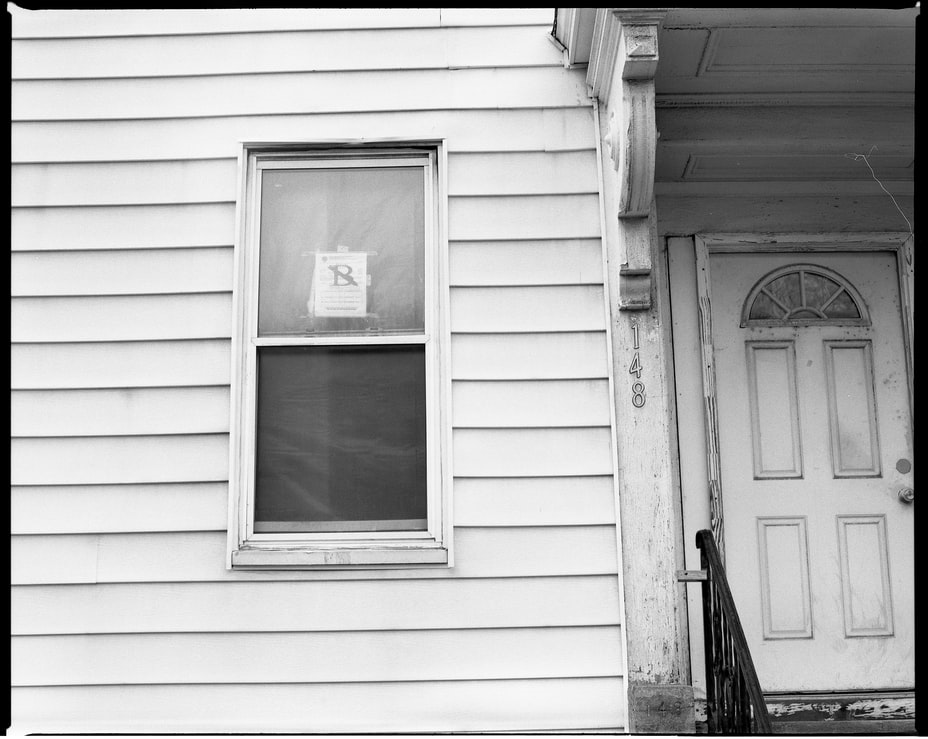
Black and white image of a house’s front door and window

Temporary Protection from Eviction

COVID-19 has affected almost all areas of our daily lives, be it financial, personal, educational or professional. Adjusting to the new normal has indeed been a challenge for people all around the globe. However, health care providers and people in authority are working round-the-clock to ensure the wellbeing of as many people as they can.

As a response to this global threat, state and local governments have taken drastic measures to ensure public health and safety. When it comes to housing, eviction laws in several countries, including the US, have been temporarily altered to not only prevent the spread of this disease but also facilitate people who are struggling with financial issues.

Providing stable housing is an effective measure because it allows people to abide by the stay-at-home and social distancing measures recommended by state and local authorities. It also reduces the number of homeless people residing in congregate settings or shelters. Improved living conditions are bound to reduce the spread of this virus.

The Final Word

The laws amended in the light of COVID 19 provide increased protection to tenants and renters. From March 1, 2020, to September 30, 2021, all landlords and property owners have been advised not to evict any residents if the sole reason for their eviction is their inability to provide housing payment. The state has developed a rental assistance program to reduce financial distress on both landowners and renters. All tenants that qualify for this program will be provided with financial assistance during and beyond this period to help reduce their struggles.

The Disparity in Dental Care Between the Rich and the Poor

Featured

A person receiving dental care
Disparity in dental care

Proper dental care is essential to living a healthy life. However, there’s a greater chance for people from low-income backgrounds to have greater dental health problems than those from affluent families. Here’s a quick analysis of the disparity in dental care between the rich and the poor.

The Gravity of the Situation

A greater percentage of people from deprived backgrounds have been hospitalized because they needed dental care than those who were better off financially. However, many people from low-income backgrounds struggled to receive the care they needed because 35% of low-income parents and 38% of low-income adults without children did not have health insurance in 2013.

What makes this situation worse is that dental care treatment in the hospital is about 10 times more expensive (even with Medicaid enrollees) than preventative dental care at a dentist’s office. Furthermore, Medicaid doesn’t cover preventative costs. Thus, enrollees have to rely on ER care at the hospital when their conditions worsen.

The Effects of Lack of Dental Care for the Poor

Receiving proper dental care is vital because it affects the patient’s and physical health as well. A lack of proper dental care can contribute to various chronic illnesses that may pertain to cardiovascular disease, pregnancy complications, respiratory infection, and so on.

Regular dental check-ups, cleanings, and prompt treatment of any oral issues are essential for mitigating these risks and ensuring optimal health outcomes. One often overlooked aspect of oral health is the condition of the tongue. A yellow tongue, for instance, can be indicative of various underlying issues, ranging from poor oral hygiene to more serious health concerns. Monitoring the color and appearance of the tongue during routine dental visits can provide valuable insights into a patient’s overall health status.

In addition to physical health ramifications, there are mental health concerns, such as a correlation between decaying or missing teeth and depression. This is also the case because missing teeth can result in increased self-consciousness and societal scrutiny.  So, it makes it more challenging for people from low-income backgrounds to thrive within society.

Lack of proper dental care for people from low-income backgrounds also causes them to struggle with its effects on their employment opportunities. Poor dental care causes patients to experience discrimination in the job market. Thus, there’s a cycle in which disparity in dental care between the rich and the poor causes the latter to continue struggling to receive better dental care because they can’t afford insurance.

Class Inequality in Healthcare | Wealthy? You’ll Be Healthy

Featured

Doctor And Patient Looking At Test Results
Health Care Access For Rich People

The conversation about class inequality in healthcare all over the world has been going on for a while. Whether you are looking at rich nations like the US or poorer nations with shoddy healthcare services, there are clear differences in the sort of care the rich get and the care that the poor get. Due to problems with insurance and high prices, healthcare is really expensive for a lot of people. This has resulted in serious class inequality in healthcare, with only the rich being able to afford access to good care.

With one billion children living below the poverty line across the world, they are more likely to suffer from poor nutrition, obesity, and asthma. Adults who are part of the lower socioeconomic category are also more likely to experience mental illnesses, infectious diseases, heart conditions, obesity, and blood pressure issues.

Taking time off from work to go to the doctor, not being able to pay for services, not having access to healthcare consultancy, and more are common problems. Being poor also means that you have more crises and stress to deal with, which can also add to a person’s health woes.

The gap between the rich and the poor has been sharply increasing since the 1970s. The increase in the gap between the rich and the poor definitely has consequences that can impact individuals deeply. One way to address class inequality in healthcare is to enact top-down policies that are designed to address such inequalities specifically. There needs to be more focus on making sure that healthcare is easy to access for everyone in society without putting you under a big debt of thousands of dollars.