
The Toughest Kind of Love: Don’t Stop Writing Your Story

Featured

Life is a collection of chapters, and some of them are undeniably painful to read. There is a popular sentiment that offers profound hope: “Don’t give up because of one bad chapter in your life. Keep going. Your story doesn’t end here.” This wisdom acknowledges that struggle is a part of the narrative, but it insists that it is not the final page. It is a call for resilience, a reminder that identity isn’t fixed by moments of failure or despair.

However, if we apply this metaphor to the crisis of homelessness and addiction on our streets, we must ask ourselves: Are we helping people turn the page, or are we simply buying them a new bookmark while they remain stuck in the same chapter?

The current approach to homelessness is often too passive, too willing to enable stagnation. It can be patronizing to assume that someone in the throes of addiction or living on the streets doesn’t need a hard response. By removing all expectations—by offering housing without requiring sobriety or a commitment to rehabilitation—we risk telling people that they aren’t capable of more . We accept their bad chapter as the whole book.

We need a shift from a handout to a hand up. This means coupling compassion with accountability. It means recognizing that allowing someone to continue using drugs without intervention is not kindness; it is a slow form of surrender . A truly compassionate response says, “Your story doesn’t end in addiction, and it doesn’t end on this street corner.”
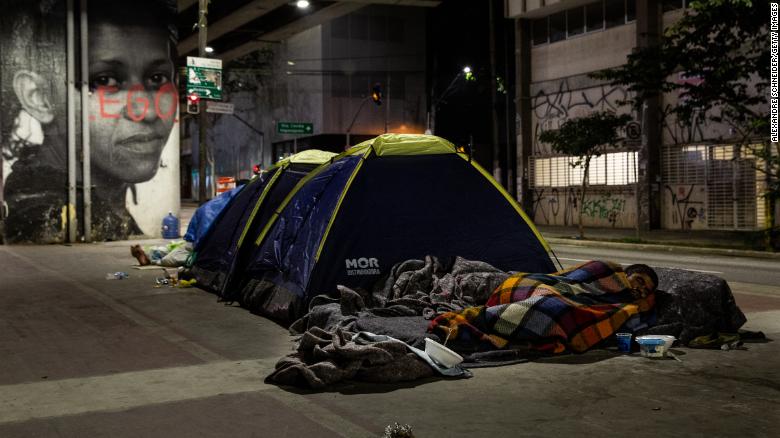
Programs that are beginning to see success are those that provide shelter and support, but also demand recovery and work . They enforce rules, ban public camping, and use the leverage of the law to nudge individuals toward treatment. This isn’t about punishment; it’s about instilling the self-worth that comes from meeting expectations .

If we want to help people write a better chapter, we must stop editing around the margins of their misery. We must provide the structure and the hard line in the sand that says giving up is not an option. Because their story—and ours as a community—doesn’t have to end there.

follow us on Facebook: The Effort of Investment Will Save Faith’s Message Sent

Can I Get A Loan Without A Job?

Featured

Getting a loan without a job can be challenging, but it’s not impossible. Lenders typically look for a stable source of income to ensure you can repay the loan. However, if you don’t have a job, you may still qualify for a loan if you can demonstrate other sources of income or assets. Here are some options to consider:


1. Show Alternative Income Sources

If you don’t have a traditional job, you may still have income from other sources. Lenders may accept:

  • Government benefits (e.g., Social Security, disability, or unemployment benefits).
  • Retirement or pension payments.
  • Rental income from properties you own.
  • Alimony or child support.
  • Freelance or gig economy work (e.g., Uber, DoorDash, freelance writing).
  • Investments or dividends.

Be prepared to provide documentation, such as bank statements or tax returns, to prove these income sources.


2. Use Collateral for a Secured Loan

If you have valuable assets, you can apply for a secured loan, which uses collateral to reduce the lender’s risk. Examples include:

  • Home equity loans or lines of credit (if you own a home).
  • Auto title loans (using your car as collateral).
  • Secured personal loans (using savings accounts, jewelry, or other assets).

Be cautious with secured loans, as you could lose the asset if you fail to repay.


3. Get a Co-Signer

A co-signer with a stable income and good credit can help you qualify for a loan. The co-signer agrees to repay the loan if you can’t, which reduces the lender’s risk. This can be a family member or close friend who trusts you to make payments.


4. Consider a Payday Alternative Loan (PAL)

Some credit unions offer Payday Alternative Loans (PALs), which are small, short-term loans designed for borrowers with limited income. These loans typically have lower interest rates than traditional payday loans.


5. Explore Peer-to-Peer (P2P) Lending

Peer-to-peer lending platforms connect borrowers with individual investors. These platforms may have more flexible requirements than traditional banks. Examples include LendingClub and Prosper.


6. Borrow from Family or Friends

If traditional lenders aren’t an option, consider asking family or friends for a loan. Be sure to formalize the agreement with a written contract to avoid misunderstandings.


7. Improve Your Credit Score

A strong credit score can increase your chances of getting approved for a loan, even without a job. Pay down existing debt, make payments on time, and check your credit report for errors.


8. Look for No-Income-Verification Loans

Some lenders offer no-income-verification loans, but these often come with high interest rates and fees. Be cautious, as they can lead to a cycle of debt.

Sackcloth money bag with loan inscription and metal coins

9. Use a Credit Card or Line of Credit

If you already have a credit card, you can use it for cash advances or purchases. Alternatively, you may qualify for a new credit card or line of credit based on your credit history.


10. Consider Nonprofit or Community Assistance

Some nonprofits and community organizations offer low-interest or no-interest loans to individuals in need. These programs are often designed to help people cover emergency expenses.


Important Tips:

  • Avoid Predatory Lenders: Be wary of payday loans or high-interest loans that can trap you in debt.
  • Compare Options: Shop around for the best terms and interest rates.
  • Have a Repayment Plan: Make sure you can afford the loan payments, even without a job.

If you’re struggling financially, consider reaching out to a financial counselor or nonprofit organization for guidance.