
Life is a collection of chapters, and some of them are undeniably painful to read. There is a popular sentiment that offers profound hope: “Don’t give up because of one bad chapter in your life. Keep going. Your story doesn’t end here.” This wisdom acknowledges that struggle is a part of the narrative, but it insists that it is not the final page. It is a call for resilience, a reminder that identity isn’t fixed by moments of failure or despair.
However, if we apply this metaphor to the crisis of homelessness and addiction on our streets, we must ask ourselves: Are we helping people turn the page, or are we simply buying them a new bookmark while they remain stuck in the same chapter?
The current approach to homelessness is often too passive, too willing to enable stagnation. It can be patronizing to assume that someone in the throes of addiction or living on the streets doesn’t need a hard response. By removing all expectations—by offering housing without requiring sobriety or a commitment to rehabilitation—we risk telling people that they aren’t capable of more . We accept their bad chapter as the whole book.
We need a shift from a handout to a hand up. This means coupling compassion with accountability. It means recognizing that allowing someone to continue using drugs without intervention is not kindness; it is a slow form of surrender . A truly compassionate response says, “Your story doesn’t end in addiction, and it doesn’t end on this street corner.”
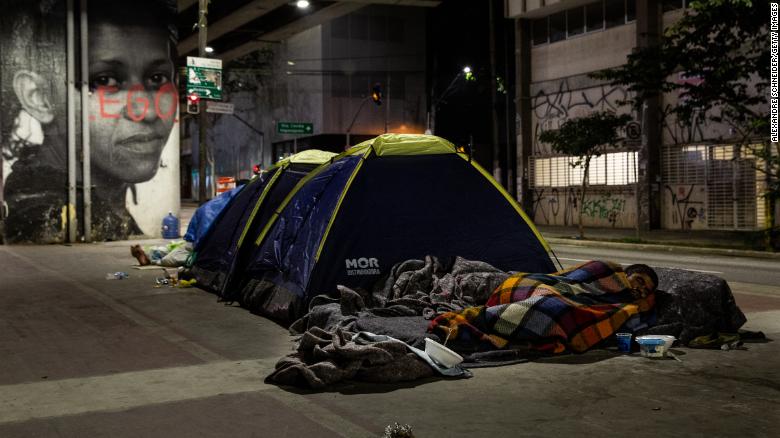
Programs that are beginning to see success are those that provide shelter and support, but also demand recovery and work . They enforce rules, ban public camping, and use the leverage of the law to nudge individuals toward treatment. This isn’t about punishment; it’s about instilling the self-worth that comes from meeting expectations .
If we want to help people write a better chapter, we must stop editing around the margins of their misery. We must provide the structure and the hard line in the sand that says giving up is not an option. Because their story—and ours as a community—doesn’t have to end there.
follow us on Facebook: The Effort of Investment Will Save Faith’s Message Sent